Tesla’s Robotaxi Progress Hides in Plain Sight as FSD v15 Quietly Rolls Out
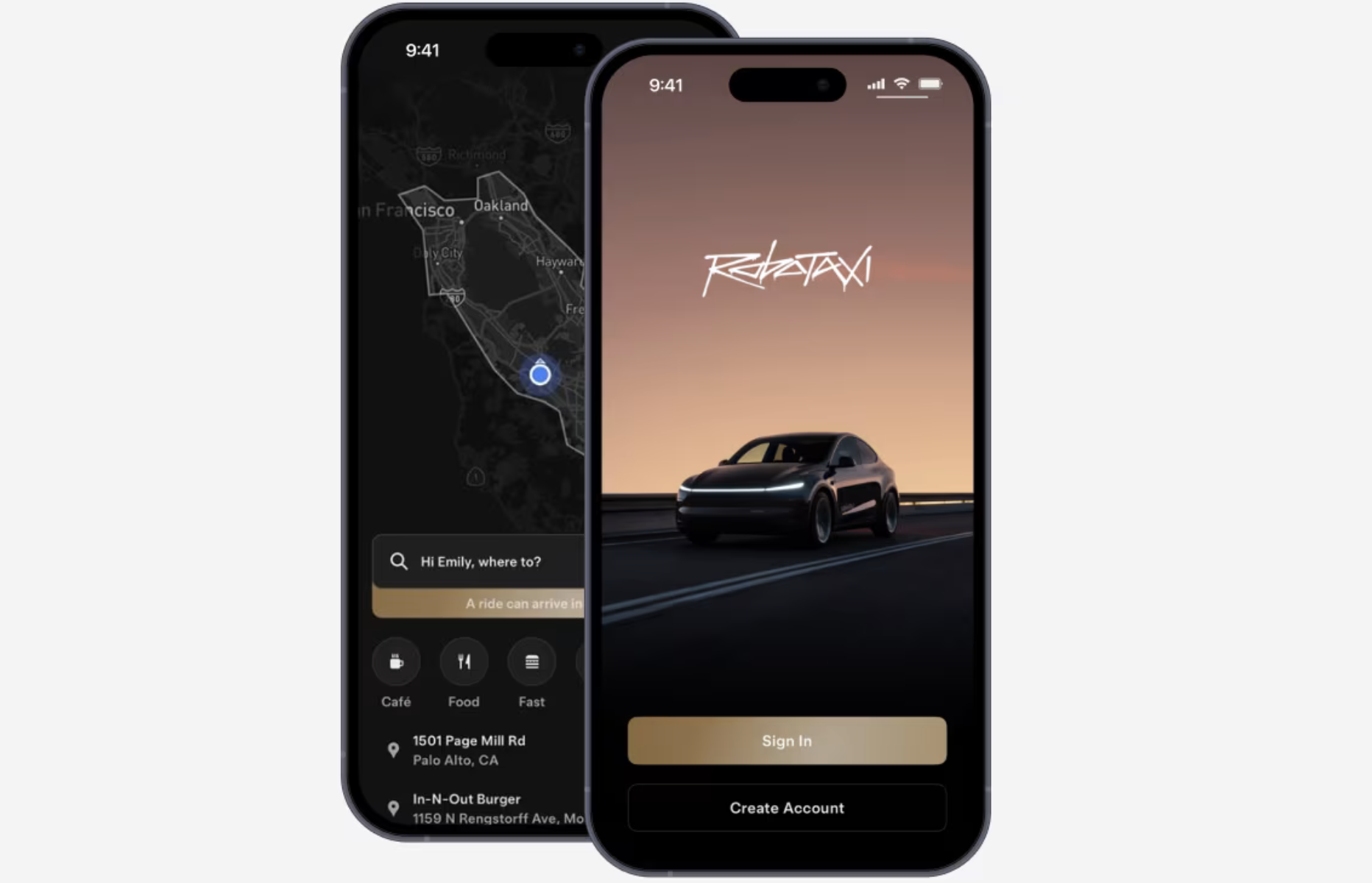
Tesla (TSLA) slid after its latest quarterly report, and many investors treated the drop as a verdict on the company’s robotaxi ambitions. Yet a closer look at the earnings call reveals a development that arguably strengthens the long-term case — one that got lost in the noise around margins and delayed timelines.
Key Points
- Tesla (TSLA) shares fell after Q2 earnings, pressured by thinner gross and operating margins.
- Rising raw material costs, higher financing expenses, and heavier R&D spending on robotaxi and Optimus all squeezed profitability.
- Management pushed out robotaxi revenue expectations, cooling hopes for a rapid 2026 scale-up.
- CEO Elon Musk has tied any large-scale unsupervised rollout to the release of full self-driving (FSD) software version 15, expected in late 2026 or early 2027.
- Notably, Tesla’s VP of AI, Ashok Elluswamy, confirmed the current robotaxi fleet already runs early versions of v15.
Why the Stock Sold Off
The selloff stemmed from a squeeze on both gross and operating margins. Rising raw material prices lifted production costs, financing grew more expensive, and Tesla simultaneously poured more money into research and development for both robotaxi and its Optimus humanoid robot. On top of that, management pushed robotaxi revenue expectations further out because the rollout has not matched the scale Musk previously outlined. As a result, investors who had banked on explosive 2026 growth trimmed their positions.
A Reset, Not a Reversal
Rather than signaling failure, the pullback likely reflects a healthy reset of expectations. Once the market sheds its more exuberant assumptions about a sudden, sweeping rollout, the stock gains room to appreciate on genuine progress. In other words, lower expectations today create an easier bar to clear tomorrow.
Why FSD v15 Is the Real Catalyst
To understand the path forward, investors should revisit Musk’s stance on timing. He has made clear that Tesla will not scale unsupervised FSD until it finishes, validates, and releases the next software version. Consequently, v15 becomes the gatekeeper: no v15, no large-scale robotaxi network. Since Musk expects that release in late 2026 or early 2027, a massive scale-up before then was never realistic — and the market is only now internalizing that.
The Detail Hiding in Plain Sight
Here lies the overlooked catalyst. During the recent call, VP of AI Ashok Elluswamy told investors that Tesla’s operating robotaxi fleet already runs early versions of the v15 software. Therefore, the company is not merely promising its final robotaxi solution — it is actively testing it on the road today. For long-term shareholders, that quiet progress may matter far more than a single quarter’s margin miss.