West Marine’s Bankruptcy: What Investors Should Really Take Away
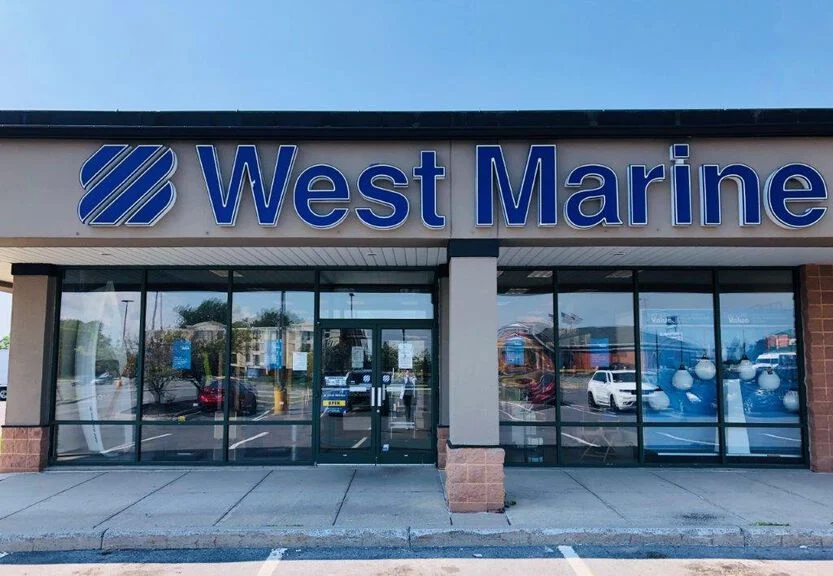
West Marine closing nearly 60 stores under Chapter 11 looks less like a surprise and more like a long‑overdue reset for an overleveraged, over‑stored specialty retailer in a cyclical niche. This is the classic “too much debt, too many boxes” story: a footprint built for a different retail era running into higher rates, softer discretionary spending, and online competition.
What it signals for investors
For equity holders in situations like this, Chapter 11 usually means heavy dilution or a wipe‑out, with most of the recovery shifting to creditors and any new money that finances the restructuring. The real opportunity tends to sit in the capital structure—debt, DIP financing, or post‑reorg equity—rather than in the legacy common stock.
Specialty leisure and outdoor names tied to big‑ticket, discretionary spending (boats, RVs, high‑end gear) are clearly exposed here: highly seasonal demand, sensitivity to fuel prices and interest rates, and limited pricing power if customers can go online or trade down. This makes balance sheet strength and store‑level productivity critical screens for investors.
Winners in a shake‑out
Bankruptcy and store closures don’t eliminate demand; they redistribute it. Stronger competitors—regional marine suppliers, big‑box chains with marine aisles, and e‑commerce platforms—stand to capture share in markets where West Marine exits. Investors can look for:
- Healthy balance sheets (moderate or low leverage).
- Solid omnichannel capabilities (stores plus strong digital).
- Management teams selective about opening and keeping stores.
In other words, this is another reminder that a “niche” doesn’t equal a moat if the niche is discretionary, cyclical, and easily served online.
Real estate and macro read‑through
For retail‑heavy landlords and REITs, losing an anchor‑like tenant in coastal or marina‑adjacent centers adds leasing risk and may require rent concessions or repurposing space. For lenders, it’s one more data point that marginal, specialty retail credit remains fragile in a high‑rate, slow‑growth environment.
If you tell me whether you care more about stock ideas, distressed/credit angles, or REIT exposure, I can tailor this into a short checklist with specific types of names to focus on—or avoid.