Merck KGaA’s $1.3 Billion Silence Therapeutics Buyout Puts Small-Cap RNA and Hematology Stocks in Focus

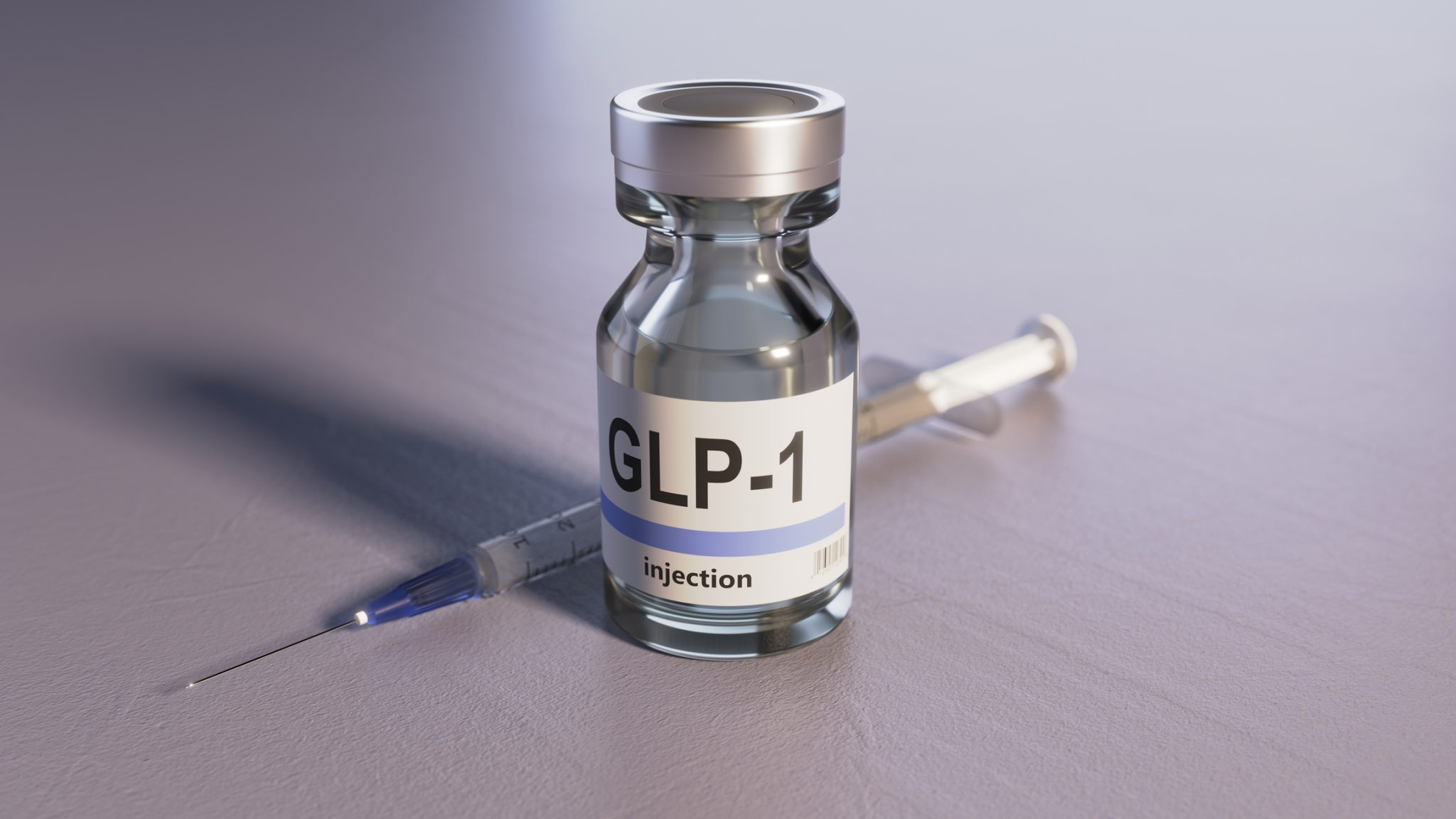
Merck KGaA, Darmstadt, Germany agreed Monday to acquire Silence Therapeutics (NASDAQ: SLN) for $20.00 per American Depositary Share in cash. The deal values the London-based siRNA developer at approximately $1.3 billion in equity value and $1.1 billion in enterprise value. The price is a 130% premium to Silence’s October 16 close and an 82% premium to its 30-day volume-weighted average price. The companies expect the transaction, structured as a U.K. scheme of arrangement, to close in the first quarter of 2027.
Twenty Years After Sirna, a Merck Pays $1.1 Billion for siRNA Again
The number carries history. In 2006, the year RNA interference won the Nobel Prize, U.S.-based Merck & Co., an unrelated company, bought siRNA pioneer Sirna Therapeutics for $1.1 billion in cash. As Barron’s notes, the field fell out of favor as lab results struggled to become approved drugs, and Merck & Co. sold the business to Alnylam in 2014 for a fraction of its outlay. Merck KGaA is paying a similar enterprise value today, but for something Sirna never had: a clinical asset with mid-stage data.
Divesiran Targets the Iron Supply Behind Polycythemia Vera
Divesiran silences TMPRSS6 in the liver to raise hepcidin, the body’s master regulator of iron. Higher hepcidin restricts iron to the bone marrow and curbs the excess red blood cell production that defines polycythemia vera, a rare blood cancer. The drug holds FDA Fast Track and Orphan Drug designations. Silence Chairman Iain Ross cited “potentially best-in-class Phase 2 polycythemia vera data for Divesiran” and said the agreement followed a competitive sale process. Group CEO Kai Beckmann positioned the deal as the next step after last year’s SpringWorks Therapeutics acquisition.
Four PRISM Biotech Components Work in RNA and Oligonucleotide Medicines
The modality has company inside the PRISM Emerging Biotech Index. Dyne Therapeutics (NASDAQ: DYN) and Entrada Therapeutics (NASDAQ: TRDA) build delivery technologies that carry oligonucleotides into muscle, with neuromuscular disease programs at the center of their pipelines. Korro Bio (NASDAQ: KRRO) uses oligonucleotides to edit RNA rather than silence it. Arcturus Therapeutics (NASDAQ: ARCT) develops mRNA medicines on its own lipid delivery platform. Each is working on the problem that defines the field: getting a nucleic acid drug to the right tissue with a durable effect.
Red Cell Biology Links Divesiran to Akebia and Rigel
Divesiran’s mechanism also connects to companies on the other side of red cell production. Akebia Therapeutics (NASDAQ: AKBA), a PRISM Biotech component, markets Vafseo for anemia due to chronic kidney disease in dialysis patients, a condition defined by too few red blood cells rather than too many. Rigel Pharmaceuticals (NASDAQ: RIGL), a PRISM Pharmaceuticals component, runs a commercial hematology and oncology portfolio with therapies for immune thrombocytopenia and acute myeloid leukemia.
The Premium Pays for Evidence, Not a Platform Bet
In 2006, a buyer paid for the promise of a technology. In 2026, Merck KGaA paid a 130% premium for Phase 2 evidence in a defined rare disease. That shift says more about where RNA medicines stand than the premium itself. The field no longer has to prove that silencing a gene works. It has to prove, one indication at a time, that it works better than what patients already have. Silence cleared enough of that bar to draw a competitive process, and the deal gives the rest of the field a public reference point for how large pharma values clinical RNA data.