vTv Therapeutics Wins FDA Orphan Drug Status for Oral Sickle Cell Disease Candidate
Key Points
- The FDA granted Orphan Drug Designation to vTv Therapeutics’ HPPD for sickle cell disease.
- HPPD, also known as HPP8668, is an investigational oral Nrf2/Bach1 modulator.
- Mouse studies showed increased fetal hemoglobin, reduced oxidative stress and fewer sickled red blood cells.
- vTv said the designation strengthens its position in strategic partnering discussions for the program.
- HPPD’s safety and effectiveness in patients have not been established, and the designation is not FDA approval.
vTv Therapeutics (NASDAQ: VTVT) has received FDA Orphan Drug Designation for HPPD, its investigational oral treatment for sickle cell disease. The company said the milestone supports efforts to find a strategic partner for the program while it continues developing cadisegliatin for type 1 diabetes.
HPPD Mouse Studies Show Fetal Hemoglobin and Anti-Sickling Activity
Researchers at Augusta University evaluated HPPD in the Townes sickle cell disease mouse model. According to vTv, the candidate was orally active and well tolerated, increased fetal hemoglobin, and reduced both oxidative stress and red blood cell sickling.
The company said fetal hemoglobin increased in a time- and dose-dependent manner, with effects comparable to or greater than hydroxyurea in that model. These are preclinical findings—not evidence that HPPD is more effective than hydroxyurea in patients.
Oral Treatment Candidate Targets an Unmet Sickle Cell Disease Need
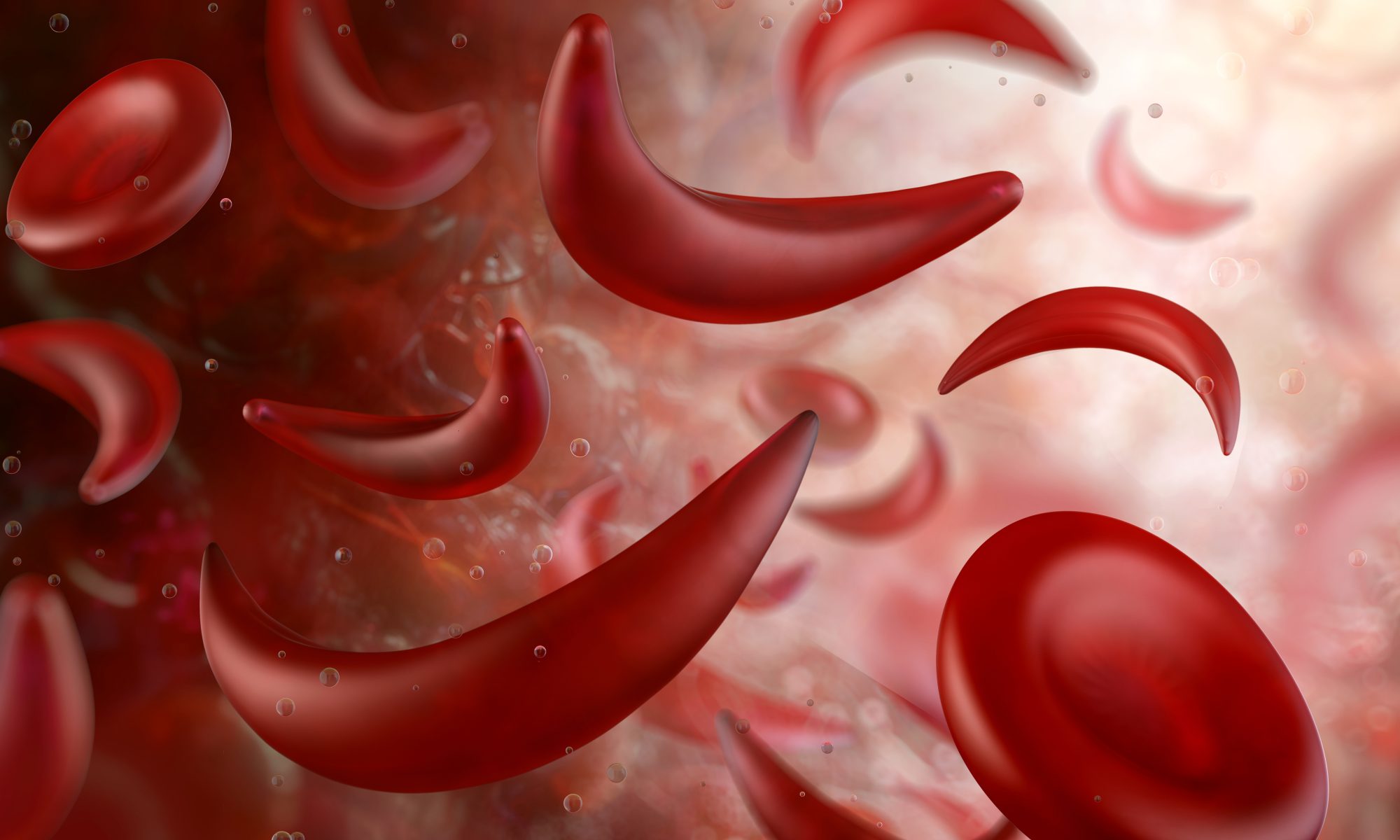
Sickle cell disease is an inherited, lifelong blood disorder associated with chronic anemia, recurring pain crises and progressive organ damage. The announcement estimates that approximately 100,000 people in the United States live with the disease.
Increasing fetal hemoglobin is an established disease-modifying strategy, and hydroxyurea is an approved treatment that works through that approach. However, vTv noted that some patients experience inadequate responses, tolerability challenges or continuing complications, supporting the need to investigate additional oral therapies.
HPPD’s Nrf2/Bach1 mechanism is intended to offer a different approach. Its potential to modify disease remains to be demonstrated clinically.
Orphan Designation Supports Partnering Strategy
Chief Executive Officer Paul Sekhri said the designation strengthens vTv’s ability to advance strategic partnering discussions for HPPD. The company is also continuing development of cadisegliatin, a separate oral candidate for type 1 diabetes that has received FDA Breakthrough Therapy designation.
The announcement does not identify an HPPD partner, disclose financial terms or provide a clinical-trial initiation date.
Investor Takeaway: Regulatory Milestone, but Human Evidence Is Still Needed
For VTVT investors, the designation adds a regulatory milestone to a program distinct from the company’s lead diabetes asset. It may support partnering discussions, but it does not establish a licensing deal, clinical success or future revenue.
The next meaningful developments would include a defined clinical path, human safety and efficacy findings, and any partnering agreement. HPPD remains investigational, with no guarantee of approval or commercial availability.