


60 Degrees Pharmaceuticals Secures New Castanospermine Opportunity in Tick-Borne Disease
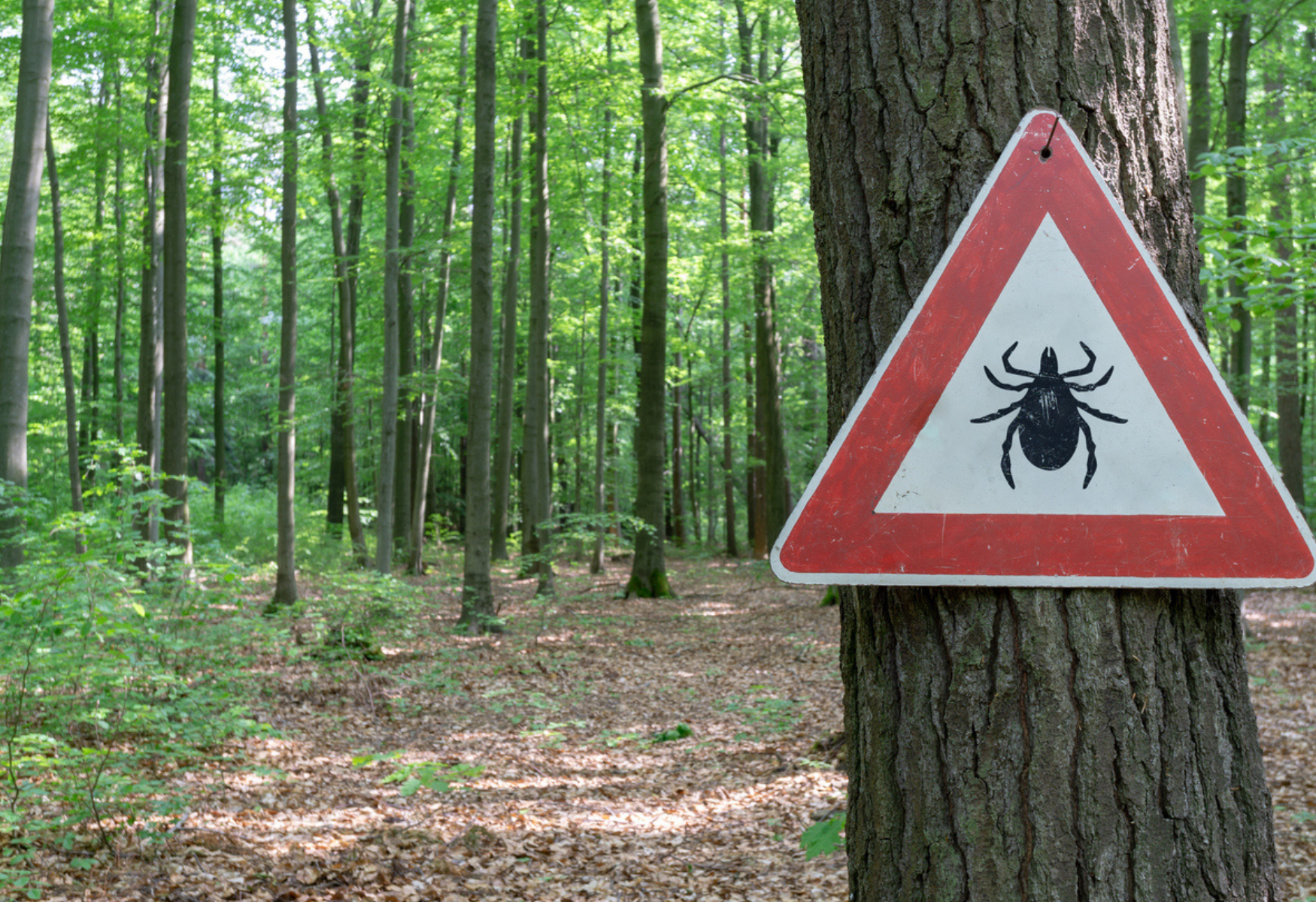
60 Degrees Pharmaceuticals Inc. (NASDAQ: SXTP) has signed an exclusive option agreement with the Florida State University Research Foundation (FSURF) to advance Castanospermine for several tick-borne diseases, including Powassan virus disease, tick-borne encephalitis, alpha-gal syndrome and post-treatment Lyme disease. This structure gives the company time to study the science, map out a development plan and evaluate the market before deciding whether to lock in an exclusive U.S. license.
What the option means in plain language
An option agreement means 60 Degrees Pharmaceuticals has secured the first chance to license Florida State University’s patents and know-how for castanospermine in specific tick-borne indications, but it is not forced to move ahead if the data or economics do not support it. During this period, the company can refine its clinical strategy, explore regulatory pathways and estimate commercial potential, which helps limit risk for a smaller, development-stage company.
This deal builds on prior work between 60 Degrees Pharmaceuticals and Florida State University around Australian Chestnut extract and castanospermine production. It also fits neatly with the company’s focus on infectious and vector-borne diseases, alongside its tafenoquine programs and other collaborations.
Why castanospermine matters
Castanospermine is a naturally occurring compound from the Australian Chestnut tree (Castanospermum australe) that has shown antiviral and immune-modulating potential in research settings. For investors, one key point is that castanospermine is not completely untested in humans, because it is the active metabolite of celgosivir, which has been given to hundreds of patients in clinical trials for HIV and hepatitis C.
That existing safety and dosing experience can help 60 Degrees Pharmaceuticals design smarter development plans if it decides to move forward. It also supports the idea that castanospermine could be developed as a prescription drug rather than only as a botanical or dietary product.
How this fits 60 Degrees Pharmaceuticals’ game plan
60 Degrees Pharmaceuticals focuses on diseases transmitted by vectors such as mosquitoes and ticks, and it already markets ARAKODA (tafenoquine) for malaria prevention. The company is also running the B-FREE Phase 2 trial of tafenoquine in chronic babesiosis, where an independent monitoring board recently recommended the study continue without changes.markets.
The new castanospermine option gives the company another potential asset in the tick-borne disease space, on top of tafenoquine. Management has previously explored bringing Australian Chestnut extract to market in other formats but is now reassessing this in light of the potential for higher-value, IP-protected drug development. For investors, the move can be seen as adding a new “option” in the pipeline without committing fully to the costs of long, complex trials upfront.
Risks and what investors should watch
- The company may still decide not to exercise the license if the scientific, regulatory or financial outlook does not justify it.t
- Castanospermine-based products would require more research, possible clinical trials and regulatory review, which means timelines are long and outcomes uncertain.
- As a small-cap biotech with limited revenue, 60 Degrees Pharmaceuticals will remain dependent on access to capital and careful execution.For everyday investors, the simple takeaway is that 60 Degrees Pharmaceuticals (NASDAQ: SXTP; SXTPW) is adding another potential path to growth in tick-borne diseases, but this path is still early and carries the usual biotech risks.












