Immunic Reports Positive Data from Multiple Sclerosis Trial
Immunic, Inc. (Nasdaq: IMUX) has reported positive interim data from its Phase 2 CALLIPER trial of IMU-838 in patients with progressive multiple sclerosis (PMS). The company believes that this data reinforces IMU-838’s neuroprotective potential.
Daniel Vitt, Ph.D., Chief Executive Officer and President of Immunic, said, “We believe that, if the top-line CALLIPER data, expected in April of 2025, continue to show a neuroprotective effect, we may be able to position vidofludimus calcium as the first oral treatment option for non-active SPMS.”
Highlights
CALLIPER is a multicenter, randomized, double-blind, placebo-controlled phase 2 trial which enrolled 467 patients with primary PMS or active or non-active secondary PMS at more than 70 sites throughout North America as well as Western, Central and Eastern Europe.
Patients were randomized to either 45 mg daily doses of vidofludimus calcium or placebo, and the trial’s primary endpoint is the annualized rate of percent brain volume change up to 120 weeks.
24-week data from the first cohort of patients shows improvements in biomarker neurofilament light chain (NfL), which predicts future disability in MS.
Brain volume data of the full 467 CALLIPER patient cohort is expected in April 2025.
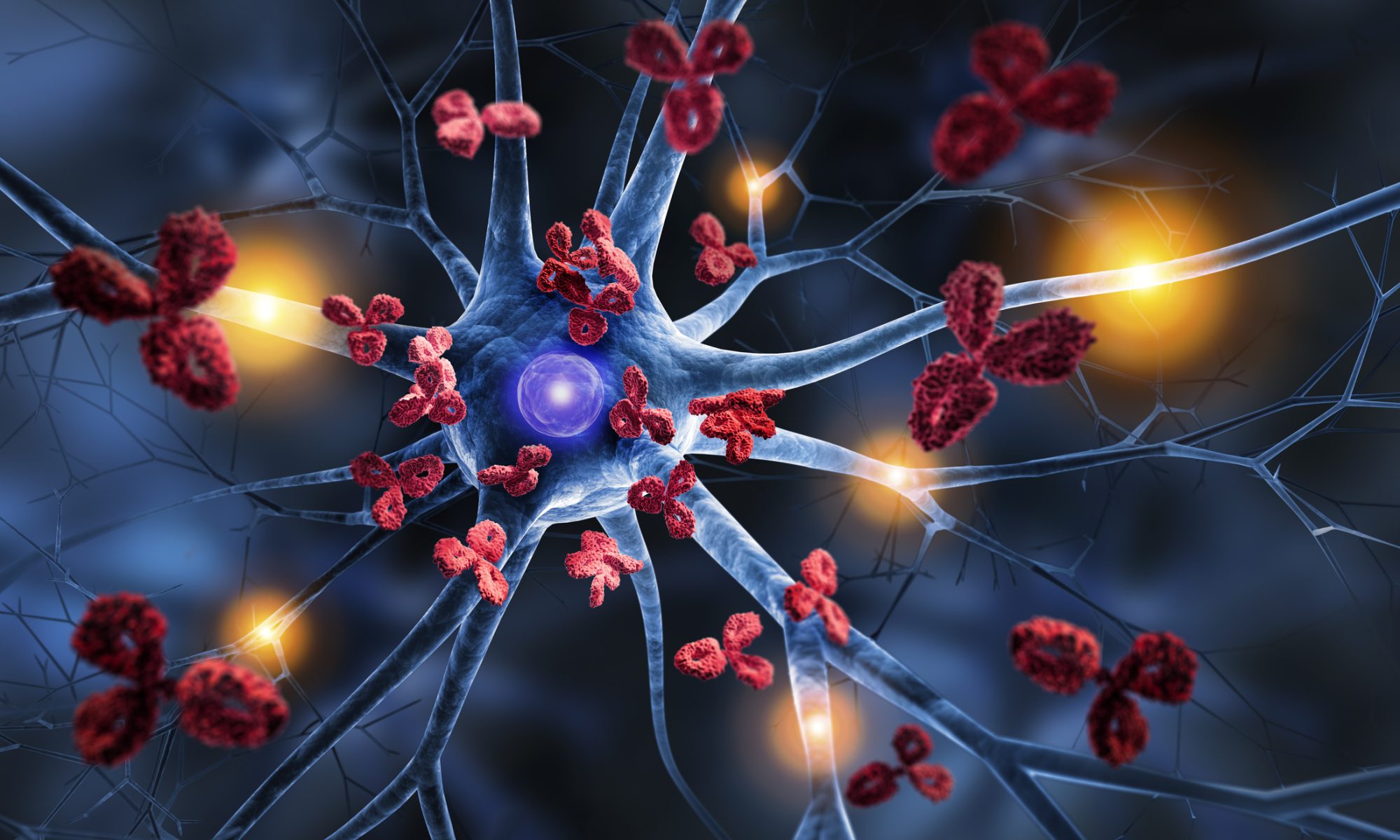
Multiple sclerosis (MS) is an autoimmune disease that affects the brain, spinal cord and optic nerve. In MS, myelin, the coating that protects the nerves, is attacked and damaged by the immune system.
About Immunic, Inc.
Immunic, Inc. (Nasdaq: IMUX) is a biotechnology company developing a clinical pipeline of orally administered, small molecule therapies for chronic inflammatory and autoimmune diseases. The company’s lead development program, vidofludimus calcium (IMU-838), is currently in phase 3 and phase 2 clinical trials for the treatment of relapsing and progressive multiple sclerosis, respectively, and has shown therapeutic activity in phase 2 clinical trials in patients suffering from relapsing-remitting multiple sclerosis and moderate-to-severe ulcerative colitis. Vidofludimus calcium combines neuroprotective effects, through its mechanism as a first-in-class nuclear receptor related 1 (Nurr1) activator, with additional anti-inflammatory and anti-viral effects, by selectively inhibiting the enzyme dihydroorotate dehydrogenase (DHODH). IMU-856, which targets the protein Sirtuin 6 (SIRT6), is intended to restore intestinal barrier function and regenerate bowel epithelium, which could potentially be applicable in numerous gastrointestinal diseases, such as celiac disease, where it is currently in preparations for a phase 2 clinical trial. IMU-381, which currently is in preclinical testing, is a next generation molecule being developed to specifically address the needs of gastrointestinal diseases. For further information, please visit: www.imux.com.