Grid-Scale Growth: Fluence Secures Landmark Arizona Storage Deal
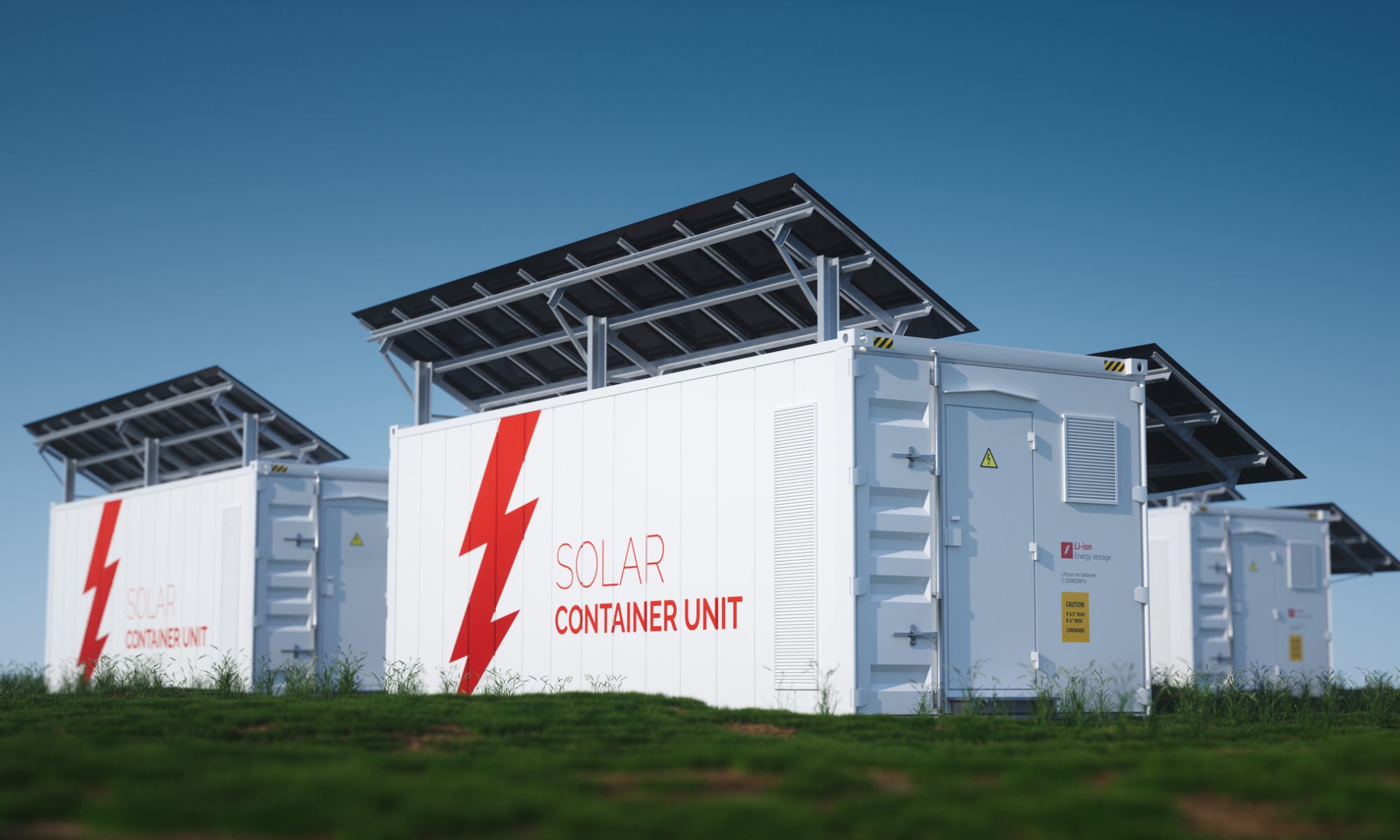
Fluence Energy (NASDAQ: FLNC) has struck a significant partnership with Torch Clean Energy to deploy a 160 MW / 640 MWh battery energy storage system (BESS) at the “Winchester” project in Cochise County, Arizona. The deployment is slated for delivery in early 2027 and pairs with two 80 MW solar arrays on site.
The Winchester facility is intended to support grid stability, meet forecasted load growth, and deliver dispatchable energy in a region with rising demand. Fluence will supply its Gridstack Pro 5000™ technology — featuring domestically manufactured enclosures, inverters, and thermal controls — allowing the project to qualify for U.S. domestic content tax credits.
From a growth standpoint, this project further solidifies Fluence’s footprint in large-scale storage. The company already has over 22 GWh of capacity either deployed or under contract across more than 90 projects nationwide. For Torch Clean Energy, the collaboration enables them to integrate battery capacity with solar generation and monetize flexibility services. Torch, backed by Morgan Stanley Infrastructure Partners, has developed over 1.2 GW of renewable assets and uses the Winchester project to demonstrate integrated storage-solar deployment.
- Revenue & margin potential: Large BESS projects like this offer long-term service contracts, software and optimization revenue, and possible ancillary market participation. If Fluence can maintain cost discipline and scale its operations, margins may improve over time.
- Tax incentives and U.S.-made content: By using domestically produced components, the Winchester project becomes eligible for U.S. content credits, potentially improving project-level economics and offering a competitive edge.
- Execution risk & timeline sensitivity: The delivery is targeted for 2027, implying a multiyear lead time. Delays in permitting, supply chain hiccups, or cost escalation could compress returns or shift cash flow timing.
- Regulatory & market volatility: The ability for battery systems to monetize stacked value streams (capacity, arbitrage, frequency regulation) depends heavily on evolving regional market rules and rates. Any policy or tariff shifts in Arizona (or at the federal level) could materially impact revenue assumptions.
- Scaling advantage: Fluence’s broad backlog of projects may allow it to amortize fixed costs and negotiate component supply more favorably, reinforcing competitive positioning vs. newer entrants.
- Capital intensity and funding: Projects of this size require sizable capital expenditures before cash flows. If Fluence or Torch rely on external funding or project-level debt, funding costs and interest rate risk will weigh on returns.
In short, this announcement reinforces Fluence’s position in large-scale energy storage and shows its capacity to deliver big “behind-the-meter / grid-scale” systems with favorable tax treatment. That said, the ultimate payoff hinges on execution, regulatory stability, and the ability to stack revenue streams.