Trump Set to Announce Deal to Offer Weight Loss Drugs for $149 on TrumpRX
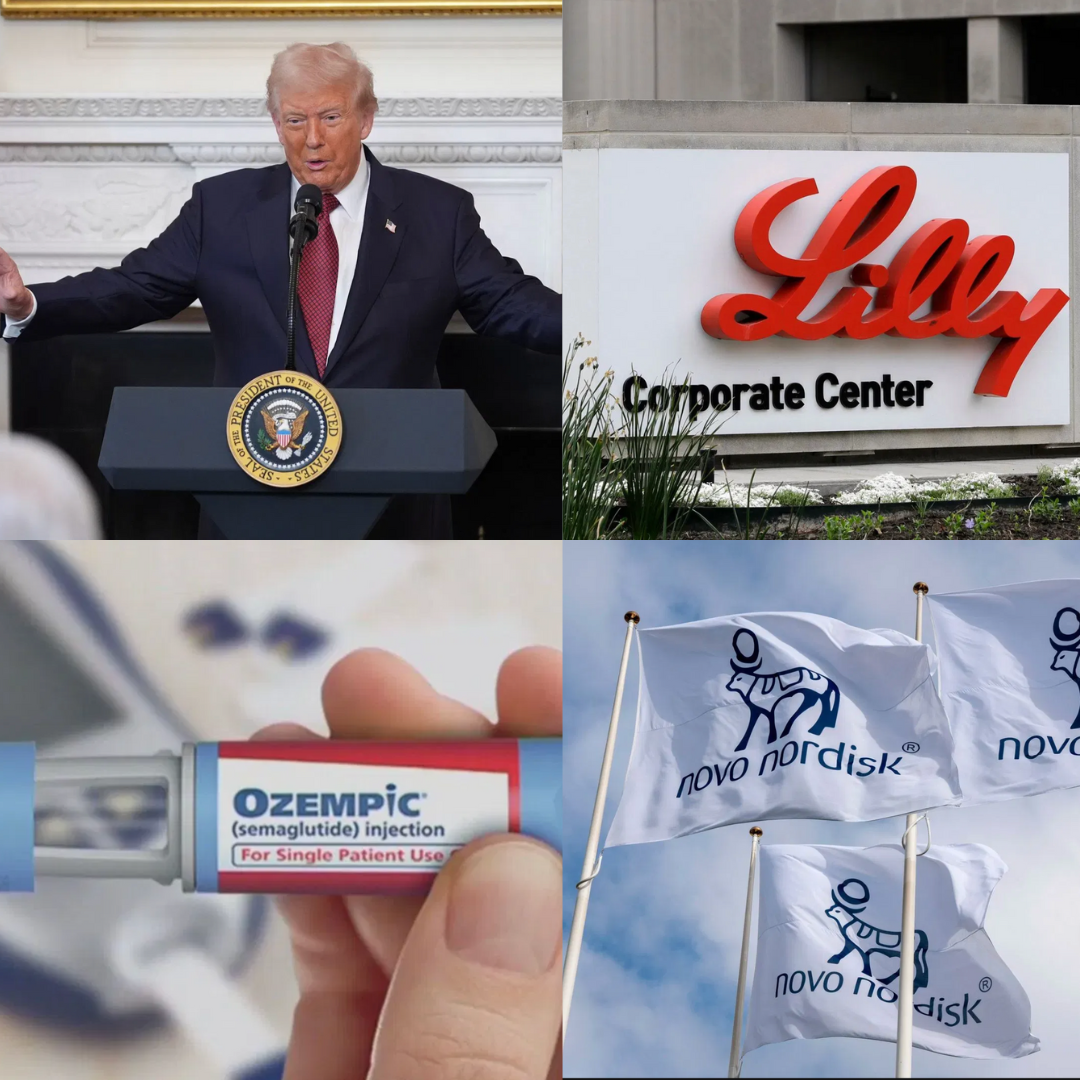
The Trump administration is set to announce a groundbreaking deal with pharmaceutical giants Eli Lilly (NYSE: LLY)and Novo Nordisk (NYSE: NVO), making popular obesity drugs like Wegovy and Zepbound more affordable for Americans. According to sources familiar with the matter, the agreement will allow these medications to be sold for as low as $149 per month through Trump’s direct-to-consumer platform, TrumpRX.
The Washington Post confirmed that President Donald Trump will make the official announcement at 11 a.m. EST from the Oval Office, joined by top pharmaceutical executives. The deal also includes provisions for Medicare and Medicaid to cover these drugs, potentially expanding access to millions of Americans.
Under the agreement, Novo Nordisk’s Wegovy will be available in its lowest dose for $149, while Eli Lilly’s Zepbound will start at $299—$50 less than its current direct-to-consumer price. Additionally, Eli Lilly plans to offer its weight-loss pill, orforglipron, for $149 if it receives FDA approval. The company has already applied for a voucher to expedite the review process.
Currently, these drugs have list prices ranging from $1,000 to $1,350 per month, with cash prices around $499 for consumers using direct-to-consumer services. The new pricing structure represents a significant reduction, making these treatments more accessible to those struggling with obesity.
The deal also includes potential coverage for Novo Nordisk’s diabetes drug, Ozempic, on TrumpRX. While Medicare and Medicaid already cover Ozempic for non-obesity uses, such as reducing heart attack risks, this agreement could expand its availability for weight-loss purposes.
This announcement follows a series of similar agreements by the Trump administration aimed at reducing prescription drug costs. Recent deals with Pfizer, AstraZeneca, and EMD Serono have focused on lowering prices for fertility drugs, biosimilars, and other essential medications. Pfizer, for instance, has committed to investing $70 billion in U.S. manufacturing facilities, though consumers won’t see price reductions until 2026.
In October, Health and Human Services Secretary Robert F. Kennedy Jr. unveiled a broader plan to reduce drug prices nationwide, emphasizing the FDA’s efforts to make biosimilar medicines more affordable. These initiatives reflect a growing push to address the high cost of prescription drugs in the United States.