From Gratitude to Gains: Analyzing the Thanksgiving to Black Friday Consumer Sales Surge
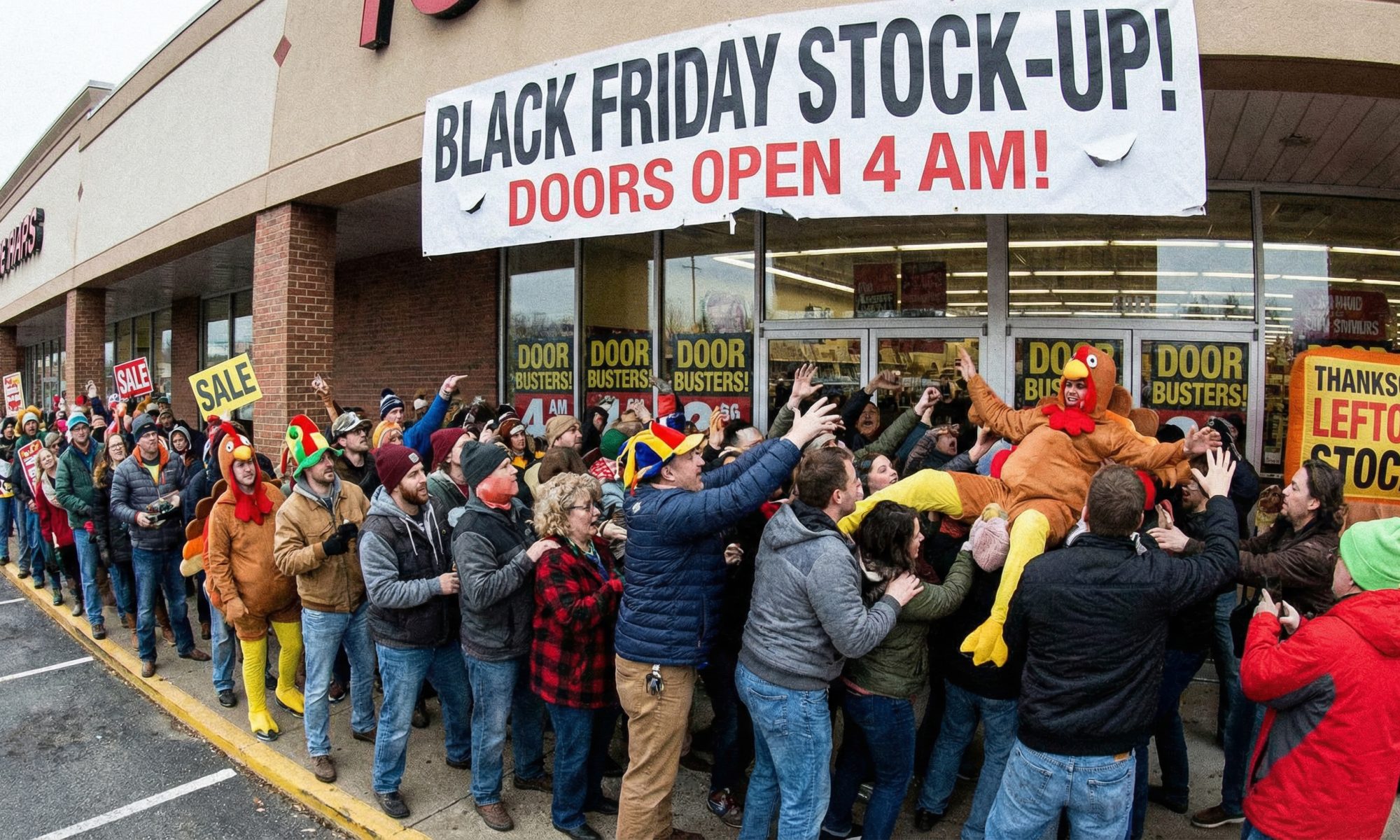
Thanksgiving, a holiday rooted in historical traditions of gratitude and harvest, has evolved into a significant inflection point for the U.S. economy and the stock market. While its cultural importance remains, its modern function as the immediate precursor to Black Friday marks the official commencement of the fourth-quarter holiday shopping season. For investors, this period provides critical insights into consumer spending, economic health, and the performance of key market sectors, particularly retail and e-commerce.
The Economic Significance of the Thanksgiving Holiday
The transition from Thanksgiving Day to Black Friday represents a pivotal moment for publicly traded companies. This short window is intensely scrutinized by analysts and investors, as its sales figures are often interpreted as a leading indicator of consumer confidence and discretionary spending for the entire holiday season. Strong performance can catalyze positive momentum for retail stocks, while underwhelming results may signal broader economic headwinds or specific corporate challenges.
Historically, Black Friday was named for the day retailers would move from operating “in the red” (at a loss) to “in the black” (at a profit) for the year. Today, its impact is far more immediate, influencing stock valuations and earnings forecasts for the final quarter. The holiday weekend sets the strategic tone for corporate performance and market expectations leading into year-end.
Key Stocks to Watch During the Black Friday Surge
The surge in consumer spending during the Black Friday period disproportionately benefits companies positioned to capture a significant share of retail and e-commerce transactions. Several stocks typically garner investor attention due to their strategic positioning and historical performance during this high-volume sales event.
- Amazon (AMZN): As the dominant force in e-commerce, Amazon is a primary beneficiary of the structural shift toward online shopping. The company leverages Black Friday to launch extensive promotional campaigns and drive membership for its Prime service, which ensures sustained customer loyalty. Its vast logistics network and data-driven marketing make it a formidable player, with sales volumes during this period having a direct and material impact on its quarterly revenue.
- Walmart (WMT): A giant in brick-and-mortar retail, Walmart has successfully executed an omnichannel strategy that integrates its physical store footprint with a robust e-commerce platform. Its ability to offer competitive pricing and “doorbuster” deals attracts a massive consumer base. Investors watch Walmart’s performance as a barometer for the health of the mainstream American consumer.
- Target (TGT): Target has effectively positioned itself with a blend of in-store experiences and efficient online fulfillment options, including curbside pickup. Its curated product selection and strong brand loyalty make it a top destination for holiday shoppers. The company’s sales figures during Black Friday provide key data points on its market share and operational efficiency.
- Shopify (SHOP): As an e-commerce platform provider, Shopify’s performance is intrinsically linked to the success of a vast ecosystem of small and medium-sized online businesses. An increase in consumer spending across its merchants’ stores translates directly into higher revenue for Shopify through transaction fees and subscriptions. Its growth during this period reflects the broader health and expansion of the digital retail landscape.
- PayPal (PYPL): As a leading digital payment processor, PayPal benefits from the overall increase in transaction volume, both online and in-store. The company’s growth is a direct reflection of the acceleration in digital payments. A strong Black Friday for retailers typically correlates with increased transaction volumes for PayPal, making it a key indicator of the health of the digital economy.
Broader Market Implications
The performance of these companies during the Thanksgiving-to-Black-Friday period offers strategic insights that extend beyond the retail sector. The data reflects broader trends in consumer behavior, such as the accelerating adoption of e-commerce, the effectiveness of omnichannel retail strategies, and overall economic sentiment. For investors, analyzing these trends is crucial for making informed decisions and anticipating market movements as the fiscal year draws to a close. This period is not merely a shopping event; it is a critical economic bellwether with significant implications for corporate earnings and stock market performance.
The fourth Thursday in November, Thanksgiving, traditionally marks a period of gratitude and family gatherings in the United States. However, in modern commerce, it also serves as the prelude to Black Friday, the most significant consumer sales event of the year. This transition from a day of rest to a period of intense retail activity represents a crucial driver for businesses, with major implications for consumer behavior and stock market performance in the retail sector. Understanding this dynamic is essential for investors tracking consumer trends and corporate earnings.
The Economic Transition: From Holiday Feast to Retail Frenzy
The Thanksgiving weekend has evolved into a powerful economic engine. While Thanksgiving Day itself was once a protected zone from commercial activity, the lines have blurred significantly. The period now represents a seamless continuum of consumer engagement, beginning with family traditions and rapidly shifting toward transactional behavior.
Black Friday, the day following Thanksgiving, has long been recognized as the official start of the holiday shopping season. Its name is historically linked to the point in the year when retailers would transition from operating at a loss to profitability. Today, its significance has magnified, serving as a key barometer for consumer confidence and projected fourth-quarter retail performance.
Key Trends Defining the Modern Black Friday Landscape
Several key trends have reshaped the Thanksgiving-to-Black-Friday shopping phenomenon, impacting both consumer strategy and business operations.
- The Dominance of E-commerce: The most profound shift has been the migration of shoppers from physical stores to online platforms. Digital retailers now launch Black Friday deals well in advance, sometimes starting early in November. This trend accelerates on Thanksgiving Day itself, which has become a major online shopping day as consumers browse deals from their homes. The growth of mobile commerce has further amplified this, allowing for seamless purchasing at any time.
- The Strategic Use of Doorbuster Deals: Doorbuster deals—deeply discounted, limited-quantity items—remain a core tactic for both brick-and-mortar and online retailers. These promotions are engineered to create urgency and drive high volumes of traffic, both physical and digital. For businesses, doorbusters are less about profit on the individual items and more about attracting a critical mass of shoppers who are likely to make additional, higher-margin purchases.
- An Extended Shopping Season: The concept of Black Friday has expanded beyond a single day. Sales events now encompass the entire “Cyber Week,” stretching from Thanksgiving through Cyber Monday. This extension allows retailers to capture a wider audience and manage inventory and logistics more effectively, while also conditioning consumers to anticipate a prolonged period of promotional pricing.
Impact on Businesses and Consumers
For retailers, the Thanksgiving to Black Friday period is a high-stakes event that can define the success of their entire fiscal year. Strong sales figures during this window can signal robust consumer spending and lead to positive revisions in earnings forecasts, often boosting stock valuations. Conversely, weak performance can indicate underlying issues with inventory, marketing strategy, or broader economic headwinds.
For consumers, the cultural shift is undeniable. The period has become synonymous with strategic purchasing, where shoppers plan major buys around anticipated discounts. While this provides opportunities for significant savings, it also contributes to a highly competitive and often frenzied shopping environment. The convenience of online shopping has mitigated some of the physical rush, but the psychological pressure to secure the best deals remains a powerful driver of consumer behavior.
The Thanksgiving holiday weekend is no longer just a cultural observance; it is a critical inflection point for the retail economy. The seamless transition from family gatherings to intense consumer spending, powered by digital transformation and strategic promotions, sets the tone for the entire holiday season. Investors and market analysts watch this period closely, as its outcomes provide invaluable insights into consumer health and the strategic positioning of key players in the retail sector.