Serve Robotics Achieves 2,000-Robot Fleet Milestone, Solidifying U.S. Market Leadership
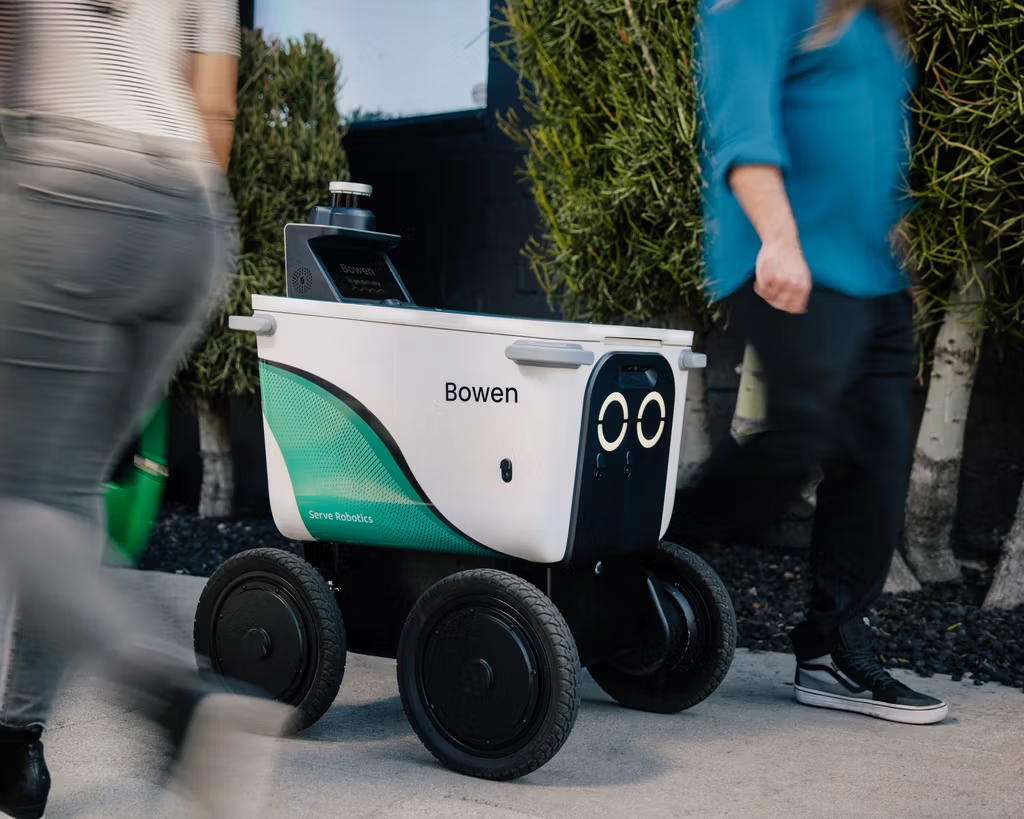
Serve Robotics Inc. (Nasdaq: SERV) has officially met its ambitious 2025 operational target, successfully deploying more than 2,000 autonomous delivery robots across the United States. This achievement marks a critical inflection point for the company, establishing it as the operator of the largest sidewalk delivery fleet in the nation. The milestone underscores Serve’s ability to execute complex scaling strategies on schedule and within budget, positioning the company as a dominant player in the rapidly evolving last-mile logistics sector.
Delivering on Strategic Commitments
The deployment of 2,000 robots represents a twentyfold increase in Serve’s active fleet size over the past year. This rapid expansion aligns directly with the company’s previously stated fiscal and operational goals for 2025. By hitting this target, Serve has demonstrated the scalability of its hardware and the robustness of its operational infrastructure.
This growth trajectory has been fueled by strengthening partnerships with major commercial entities. Serve has integrated its delivery solutions with top-tier national restaurant brands, retailers, and major delivery platforms, including Uber Eats and DoorDash. These collaborations validate the commercial viability of autonomous delivery and provide the volume necessary to sustain a fleet of this magnitude.
Ali Kashani, co-founder and CEO of Serve Robotics, emphasized the practical nature of this achievement. “This milestone is a testament to the strength of our technology and our ability to scale quickly, efficiently and safely,” Kashani stated. “The difference between delivering value versus hype in AI comes down to real-world application. Crossing 2,000 robots enables millions of deliveries to customers and makes delivery more accessible, affordable, and environmentally friendly.”
Operational Expansion and Market Reach
Serve’s footprint now extends across several high-density urban markets. The fleet is currently active in key metropolitan areas including:
- Los Angeles
- Atlanta
- Dallas-Fort Worth
- Miami
- Fort Lauderdale
- Chicago
- Alexandria, Va.
The company plans to launch in additional cities in early 2026. In 2025 alone, Serve not only expanded service zones within these existing markets but also launched operations in 110 high-density neighborhoods nationwide. This geographic diversification is crucial for testing the technology across varied urban infrastructures and consumer demographics. To support this higher volume, Serve also introduced its Generation 3 robots, designed to handle increased operational demands.
Technological Capabilities and Safety Metrics
Serve’s fleet operates with Level 4 autonomy, a high standard of automation that allows the vehicle to handle most driving tasks without human intervention in specific conditions. These robots are engineered to navigate complex urban environments, including crowded sidewalks and busy intersections.
Safety performance remains a core metric for autonomous deployment. Serve reports a 99.8% completion rate for its deliveries, a figure that suggests high reliability and sophisticated navigation software. Furthermore, the environmental impact is significant; each robot produces zero tailpipe emissions. By replacing traditional vehicle trips for short-distance deliveries, the fleet contributes to reducing urban congestion and carbon output in partner cities.
Strategic Implications for Last-Mile Logistics
The expansion of Serve’s fleet arrives as the logistics industry faces increasing pressure to optimize “last-mile” delivery—the final step of the delivery process which is often the most expensive and inefficient. Automation offers a potential solution to these structural challenges by reducing delivery wait times and improving unit economics for merchants.
Kashani outlined the broader strategic vision for the technology. “As we continue to expand our fleet size, we are also expanding use cases for our technology. The market opportunity for autonomous and electric sidewalk robot delivery is huge and right now, we’re only seeing the tip of the iceberg,” he noted.
The company identifies several verticals ripe for autonomous disruption:
- Groceries
- Convenience store items
- Small parcels
- Return logistics
“Anywhere you find frequent, short-distance deliveries, autonomous technology can create real value,” Kashani added. “Over the next five years, we expect Serve robots to become a ubiquitous part of local logistics, powering a wide range of delivery types as cities rethink how goods move.”
Investor Outlook
For investors, this milestone validates Serve Robotics’ execution capabilities following its spin-off from Uber in 2021 and subsequent public listing. The company has moved from pilot programs to large-scale deployment, backed by multi-year contracts with enterprise partners like 7-Eleven.
By securing the title of the largest sidewalk delivery fleet in the U.S., Serve has established a significant first-mover advantage. As the company looks toward 2026, the focus will likely shift from initial fleet scaling to optimizing utilization rates and expanding into new logistics verticals, providing potential catalysts for future growth.
For further information about Serve Robotics (Nasdaq:SERV), please visit www.serverobotics.com.