


FDA Approves First At-Home Brain-Stimulation Device for Depression
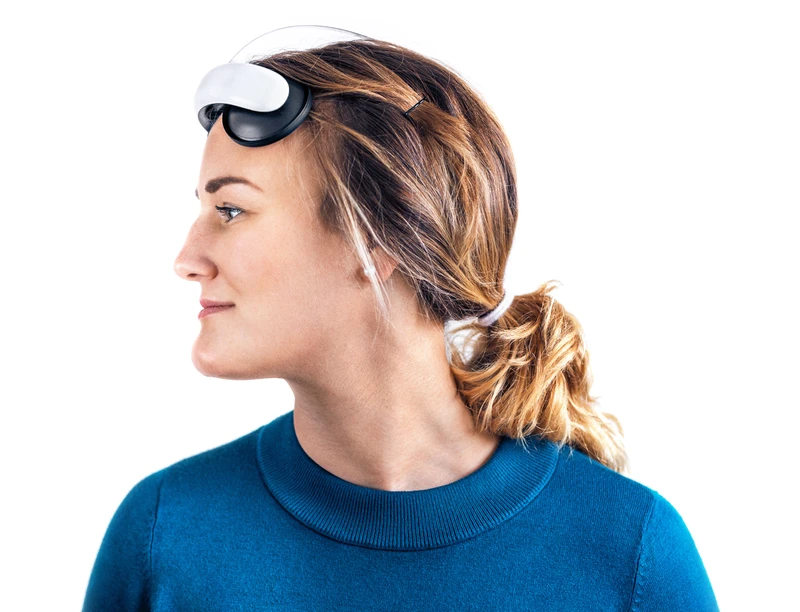
The U.S. Food and Drug Administration (FDA) has approved the first at-home brain-stimulation device for the treatment of major depressive disorder (MDD), marking an important milestone in expanding non-drug treatment options for mental health. The approval allows patients with moderate to severe depression to use a prescribed neuromodulation therapy outside of traditional clinical settings.
A New Option for Home-Based Treatment
The device, developed by Flow Neuroscience, is a wearable headset that delivers low-intensity electrical stimulation to targeted areas of the brain involved in mood regulation. The therapy is based on transcranial direct current stimulation (tDCS), a technique that has been studied for years in clinical and research settings.
Patients use the headset at home for guided treatment sessions, supported by a companion mobile app that helps manage usage and track progress. The device is prescribed and can be used either on its own or alongside existing depression treatments, including antidepressant medications.
Clinical Evidence and FDA Review
The FDA’s decision was supported by clinical data showing that regular use of the device led to meaningful reductions in depressive symptoms for many participants. In studies, patients completed short, repeated sessions over several weeks, with results suggesting improvements comparable to other established non-pharmacological therapies.
Unlike clinic-based neuromodulation treatments, such as transcranial magnetic stimulation (TMS), the newly approved device is designed for convenient, at-home use, potentially reducing barriers related to time, cost, and access to specialized treatment centers.
Why This Matters
Major depressive disorder affects millions of people in the U.S., and a significant portion do not respond adequately to medication alone. The approval of an at-home, non-drug brain-stimulation therapy introduces a new option for patients seeking alternatives or complementary treatments, particularly those who face challenges accessing in-person care.
What Comes Next
Flow Neuroscience plans to make the device available in the U.S. beginning in 2026 and is exploring pathways for insurance coverage to improve accessibility. As adoption begins, clinicians and patients alike will be watching closely to see how at-home neuromodulation fits into broader depression treatment strategies.












