


All Eyes on Ceribell After Receiving FDA Breakthrough Device Designation
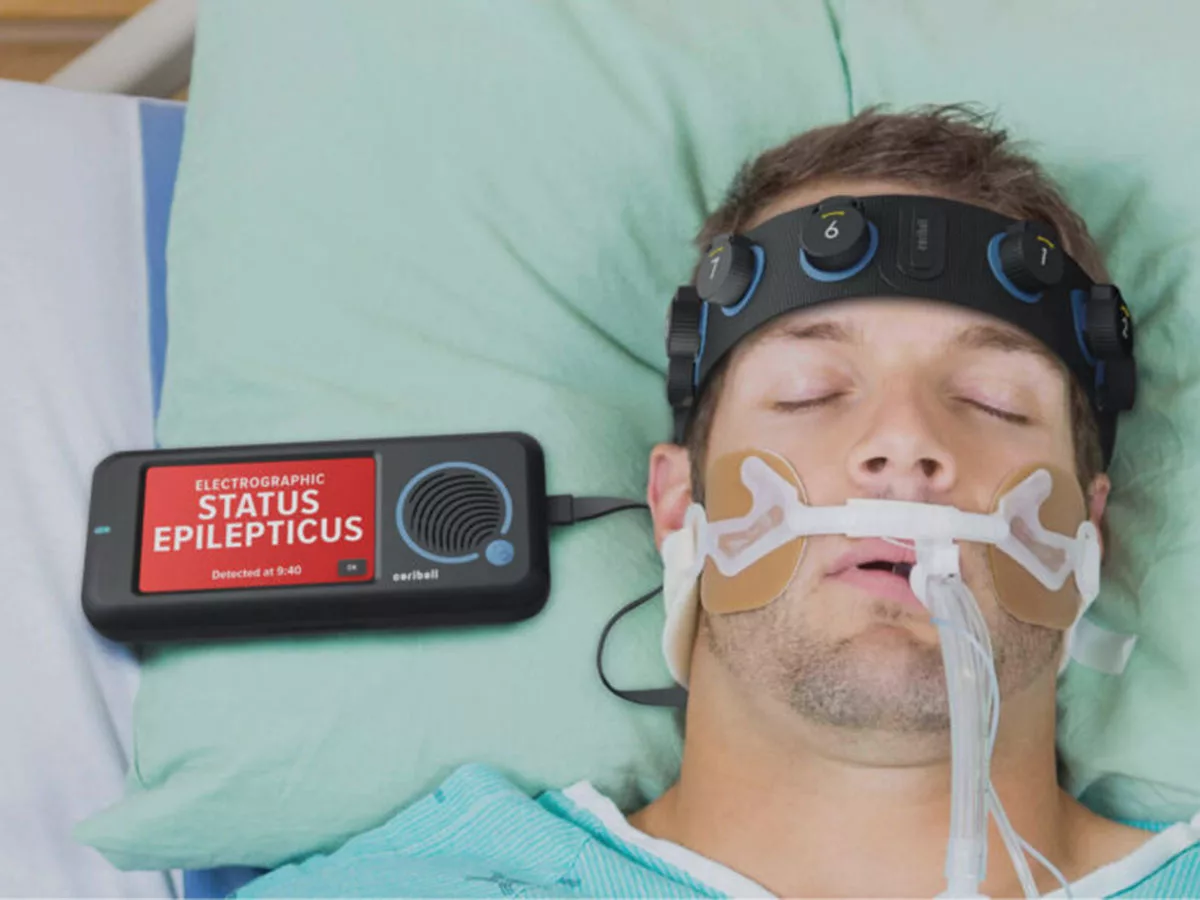
Ceribell (NASDAQ: CBLL) has received Breakthrough Device Designation from the U.S. Food and Drug Administration for its next-generation artificial intelligence-enabled neuromonitoring system, spotlighting the company’s potential to transform how brain activity is assessed in critical care settings.
What the Breakthrough Device Designation Means
The Breakthrough Device Program is designed to expedite the development and review of technologies that offer more effective diagnosis or treatment of life-threatening or irreversibly debilitating diseases and that represent a meaningful improvement over existing alternatives. By receiving this designation, Ceribell’s system will benefit from:
- Priority interaction with the FDA, helping clarify regulatory expectations early
- Potential for accelerated review timelines
- Collaborative problem-solving with regulators when appropriate
In practice, this can significantly de-risk and potentially shorten the path toward broader market access.
The Technology and Clinical Need
Ceribell’s neuromonitoring platform uses AI algorithms to detect and interpret brain activity patterns, providing near-real-time insights into seizure detection and other neurologic events. Traditional electroencephalography (EEG) systems are often bulky, resource-intensive, and require specialist interpretation — limitations that can delay critical clinical decisions. Ceribell’s device is designed for:
- Rapid deployment at the point of care
- Ease of use by non-specialist clinicians
- Automated interpretation supported by AI analytics
The company’s technology has seen adoption in emergency departments and intensive care units, where fast, accurate neurologic assessment can influence outcomes in conditions such as status epilepticus, stroke, traumatic brain injury, and altered mental status.
Strategic Implications for Ceribell
For investors, the Breakthrough Device Designation is an important validation of both the clinical differentiation and regulatory potential of Ceribell’s next-gen system. Key implications include:
- Reduced regulatory uncertainty, which can improve timing and visibility for potential commercial milestones
- Competitive positioning, as the designation highlights Ceribell’s leadership in AI-augmented neuromonitoring against legacy EEG systems
- Potential market expansion, with faster access to critical-care and broader hospital settings seeking automated, scalable neurologic monitoring
Broader AI in MedTech Context
Ceribell’s designation reflects a broader trend in AI-enabled medical devices gaining regulatory momentum, especially in applications where real-time analytics can improve clinical decisions and patient outcomes. Investors have increasingly viewed Breakthrough Device Designations as early signals of differentiated technology with higher strategic optionality and exposure to premium adoption pathways.












