The New Food Pyramid vs. the Protein Push: What It Means for Consumers — and Brands Like Starbucks and Chipotle
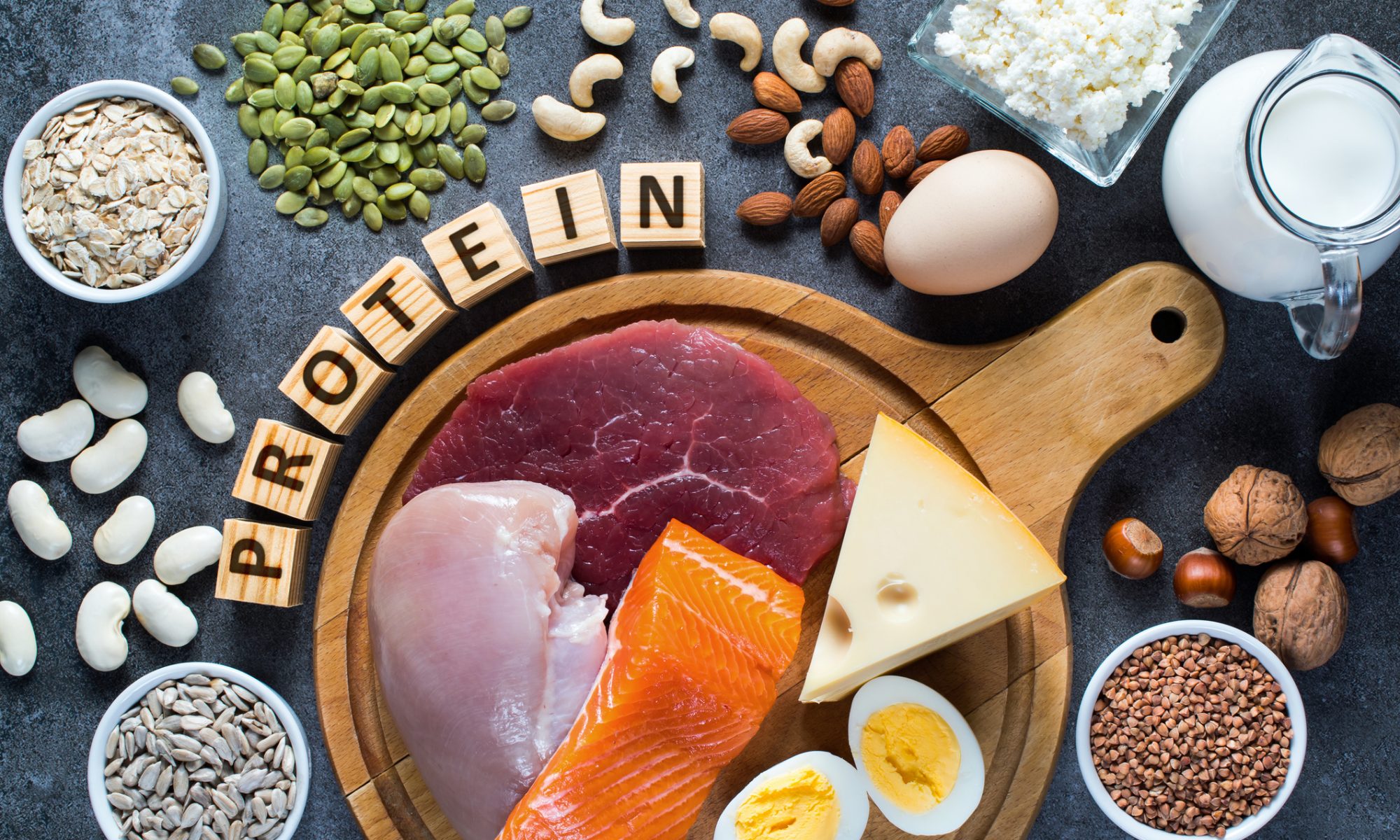
A refreshed view of the food pyramid is challenging long-held assumptions about how much protein Americans actually need, even as major food and beverage brands continue to lean heavily into protein-centric menus. The contrast highlights a growing tension between nutrition science and consumer marketing, with implications for everyday eating habits as well as for investors tracking restaurant and beverage companies.
According to nutrition experts cited by MarketWatch, most Americans already consume more than enough protein to meet basic health needs. While protein plays an important role in muscle maintenance, metabolism, and satiety, research suggests that simply eating more protein does not automatically lead to better health outcomes. Instead, the updated food pyramid emphasizes overall diet quality, encouraging a balance of vegetables, fruits, whole grains, and moderate protein rather than treating protein as the dominant nutritional goal. For consumers, the takeaway is straightforward: healthier eating may depend more on what else is on the plate than on adding extra protein.
Despite this shift in nutritional guidance, protein remains one of the most powerful signals in food marketing. Brands like Starbucks (NASDAQ: SBUX) and Chipotle (NYSE: CMG) continue to expand and promote protein-forward offerings because the message resonates strongly with customers. Protein is widely associated with feeling fuller for longer, weight management, fitness, and “better-for-you” eating. At Starbucks, this shows up in protein boxes, egg-heavy breakfast items, and smoothies, while Chipotle highlights customizable bowls packed with chicken, steak, barbacoa, or plant-based sofritas. For consumers with busy schedules, protein has become shorthand for convenience combined with perceived health benefits, even if overall nutrition varies from meal to meal.
Investor perspective:
The protein trend is less about dietary necessity and more about consumer behavior. Protein sells. It supports menu innovation, pricing power, and brand differentiation in highly competitive categories such as fast-casual dining and specialty beverages. Companies that successfully tie protein offerings to broader wellness themes—such as clean ingredients, plant-based options, or functional nutrition—may benefit from higher ticket sizes, stronger brand loyalty, and increased visit frequency.
There is, however, a longer-term consideration. As consumers become more nutrition-savvy and guidance continues to shift toward balance and whole foods, brands that rely too heavily on protein messaging alone may need to adapt to avoid appearing out of step with evolving health norms.
For consumers, the message is to look beyond buzzwords. Protein matters, but it is only one component of a healthy diet, alongside fiber, nutrient diversity, and whole foods. For investors, the protein push illustrates how nutrition narratives—accurate or not—shape purchasing behavior and revenue strategies. Watching how brands evolve from “high protein” messaging toward more holistic wellness positioning may offer insight into which companies are best prepared for the next phase of consumer demand.