PowerBank Expands NY Presence via Solar-Plus-Storage Project
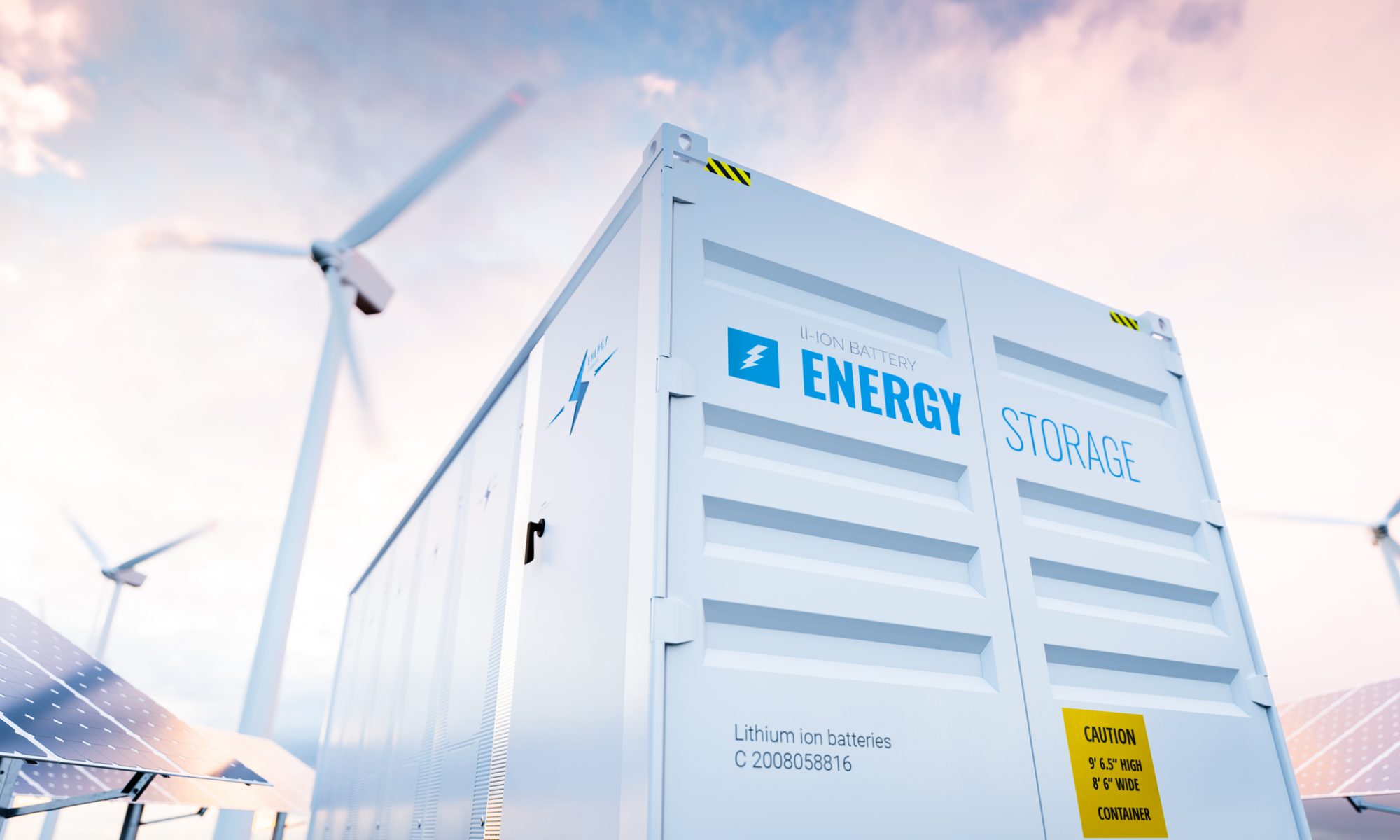
PowerBank Corp. (NASDAQ: SUUN) recently announced the initiation of a new 5 MW distributed solar and battery energy storage system (BESS) project. This development is situated in New York State. It signals a strategic shift toward integrated energy assets. Investors are closely observing the trend of combined solar-plus-storage. This project meets that specific infrastructure demand. Consequently, the company is positioning itself to capitalize on the state’s aggressive decarbonization goals.
New York remains a primary region for renewable energy investment. The state’s Climate Leadership and Community Protection Act (CLCPA) mandates a 70% renewable grid by 2030. Furthermore, the Value of Distributed Energy Resources (VDER) program provides a clear compensation framework. PowerBank’s project aligns with these regulatory drivers. The 5 MW capacity reflects a scale that is manageable yet impactful for local distribution. This project represents a disciplined expansion of the company’s development pipeline.
Technical Integration and Grid Stability
The “PowerBank” branding for this project emphasizes the role of storage. The facility will be a ground-mounted solar array. It will be paired with a high-capacity lithium-ion battery system. Solar generation is naturally intermittent. Batteries solve this fundamental issue. They allow the operator to store energy during periods of low demand. Later, the power is released during peak evening hours. This process is known as energy arbitrage. It enhances the economic viability of the asset.
From an analytical perspective, BESS integration reduces grid congestion. Modern utilities prefer “dispatchable” renewable energy. A standalone solar farm cannot offer this flexibility. However, a solar-plus-storage site can respond to price signals in real-time. This capability increases the Value Stack (VDER) credits the project earns. Therefore, the technical configuration directly supports the project’s internal rate of return (IRR).
Revenue Streams and the Community Solar Model
The project is designed to operate under a community solar framework. This model democratizes access to clean energy. Residents and small businesses can subscribe to the facility. In return, they receive credits on their monthly utility bills. This structure provides PowerBank with a diversified customer base. It also creates a predictable, recurring revenue stream. Community solar is currently the fastest-growing segment in the New York market.
Furthermore, the federal Inflation Reduction Act (IRA) offers significant fiscal tailwinds. The project is expected to qualify for Investment Tax Credits (ITC). These credits can cover a substantial portion of the capital expenditure. PowerBank frequently utilizes a capital recycling strategy. They develop projects to the “Ready-to-Build” stage and then seek to monetize them. Alternatively, they may retain the asset as an Independent Power Producer (IPP). This flexibility allows for optimized balance sheet management.
Operational Execution and Pipeline Momentum
The New York project is currently in the early development phase. PowerBank has already initiated the preliminary screening for interconnection. This is a critical hurdle in the development process. Following this, the company will pursue local permitting and site engineering. Their track record in New York suggests a high probability of successful execution. The company has already developed over 100 megawatts of capacity across various markets.
Currently, PowerBank maintains a total development pipeline exceeding one gigawatt. This scale provides a significant competitive advantage. It allows the company to negotiate better pricing for modules and batteries. As hardware costs continue to stabilize, the margin potential for these projects improves. Investors should monitor the progress of the interconnection agreement. This milestone will serve as a de-risking event for the asset.
Strategic Outlook
In conclusion, the 5 MW New York project demonstrates PowerBank’s focus on high-value, integrated energy solutions. The combination of solar and storage addresses the core needs of the modern grid. It leverages favorable state incentives and federal tax policy. Moreover, the community solar model ensures long-term revenue stability. The company continues to execute its growth strategy with precision. As the transition to distributed energy accelerates, PowerBank remains a relevant player in the North American infrastructure sector. The path to commercial operation for this project will be a key indicator of continued operational momentum.
For more information on the company’s project pipeline and financial performance, interested parties can visit the PowerBank Investor Relations portal on their official website.