Tigo Energy Launches Next-Generation GO Battery, Expanding Role in Distributed Energy and VPP Markets
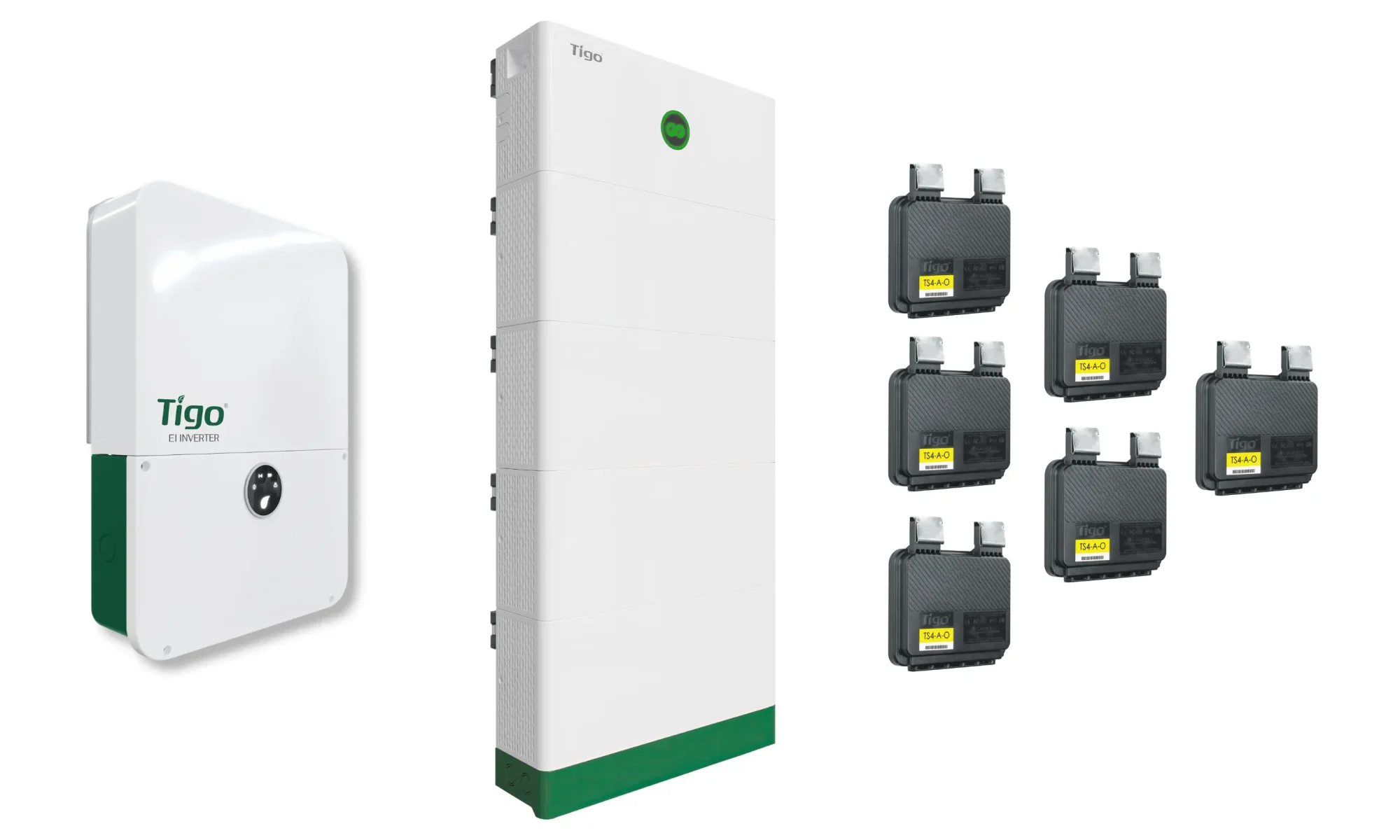
Tigo Energy (NASDAQ: TYGO) has introduced its next-generation, software-enhanced GO Battery in North America, strengthening its residential energy storage offering and expanding its participation in virtual power plant (VPP) and grid-services programs.
The updated system reflects Tigo’s broader strategy to move beyond standalone hardware and toward software-enabled, grid-interactive energy solutions, positioning the company to benefit from rising demand for distributed energy resources.
Product Enhancements Focused on Ease and Scalability
The new GO Battery features both hardware and software upgrades designed to simplify installation and improve flexibility for homeowners and installers. Tigo reports installation times can be reduced by as much as 50%, while the system footprint is roughly 40% smaller than earlier-generation models.
The battery is modular and scalable, allowing configurations in 5 kWh increments up to 30 kWh, making it suitable for a wide range of residential energy needs. Built on lithium iron phosphate (LFP) chemistry and certified to UL 9540A safety standards, the system emphasizes durability and safety, supported by an 11-year warranty.
VPP Readiness Adds a New Value Layer
A key strategic upgrade is the GO Battery’s eligibility for Virtual Power Plant programs, enabling homeowners to participate in demand response and grid support initiatives without additional hardware. Integration with leading energy management platforms allows utilities to aggregate distributed batteries as flexible grid assets.
For investors, this capability extends the value proposition beyond backup power and self-consumption, opening the door to recurring, grid-linked revenue opportunities as utilities increasingly rely on distributed storage to manage peak demand and grid reliability.
Strategic Implications for Investors
The enhanced GO Battery reinforces several long-term themes relevant to Tigo shareholders:
- Shift toward platform economics: Software integration and grid participation move Tigo closer to a services-oriented model
- Installer-centric design: Faster, simpler installation improves adoption potential in the residential solar-plus-storage market
- Alignment with grid modernization: VPP compatibility positions Tigo within a growing market for distributed, utility-connected energy resources
- Portfolio leverage: The GO Battery complements Tigo’s broader solar optimization and energy intelligence offerings
As residential energy storage adoption accelerates, solutions that combine hardware, software, and grid connectivity are increasingly favored by utilities and consumers alike.
Bottom Line
Tigo Energy’s next-generation GO Battery represents a meaningful evolution of its storage platform, emphasizing simplicity, scalability, and grid interactivity. For investors tracking TYGO, the launch highlights the company’s effort to differentiate in a competitive storage market by leaning into software, VPP participation, and distributed energy economics.
As utilities expand demand-side and virtual power programs, Tigo’s ability to integrate residential storage into the grid could become an increasingly important driver of long-term value.