Waymo Expansion Leaves Autonomous Competitors in the Rearview
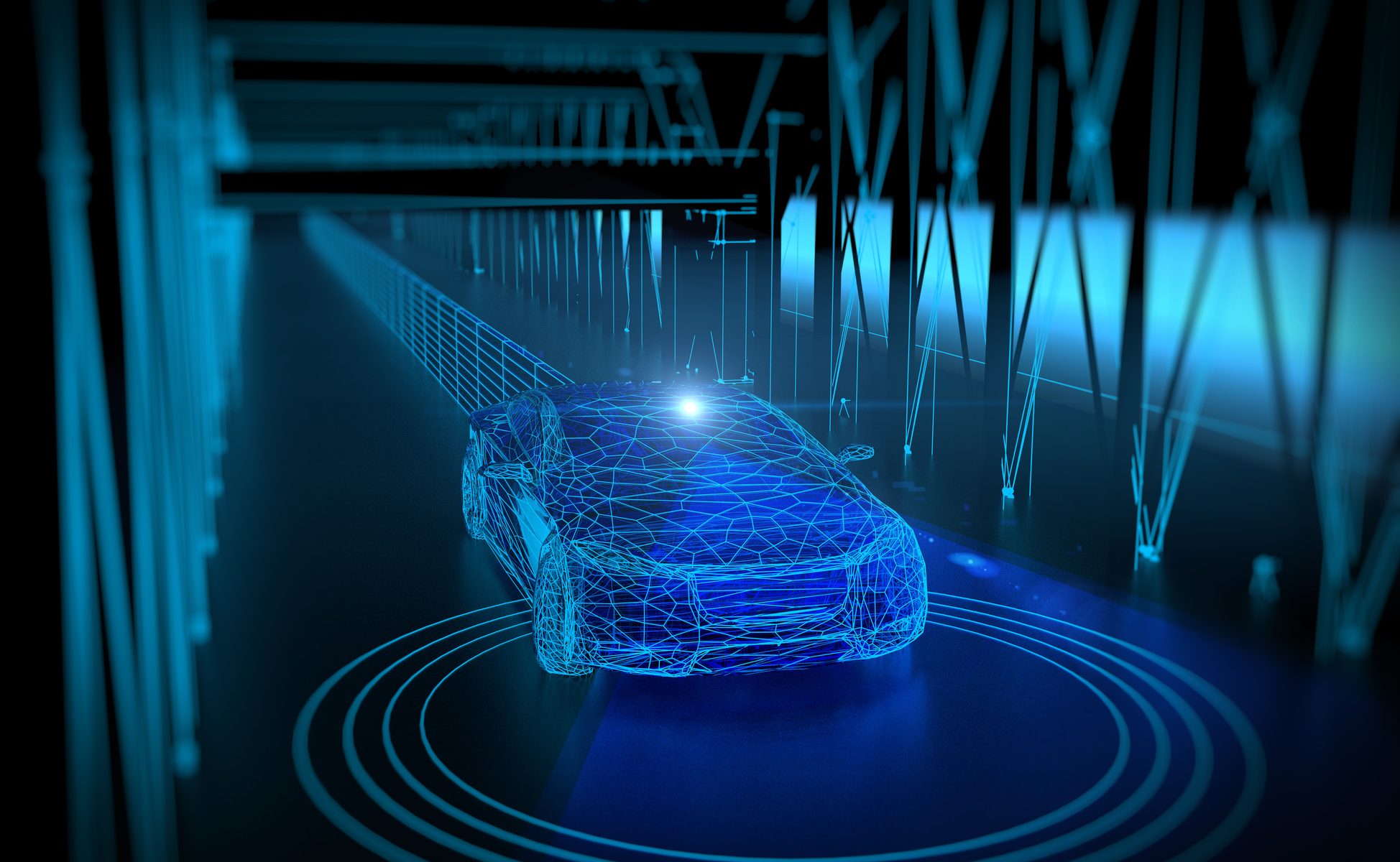
Alphabet Inc. (NASDAQ: GOOGL) currently holds a commanding lead in the competitive race for autonomous vehicle supremacy. This technological advantage is becoming increasingly evident through the rapid expansion of its subsidiary, Waymo. While competitors struggle with regulatory hurdles and technical limitations, Waymo is actively scaling its commercial operations.
Strategic Market Expansion
Waymo recently announced that its driverless ride-hailing service is expanding into Austin and Atlanta. This development follows years of successful testing and commercial service in Phoenix, San Francisco, and Los Angeles. In addition to internal growth, the firm has strengthened its partnership with Uber Technologies. This collaboration allows Waymo to utilize Uber’s massive customer base to drive vehicle utilization. Waymo is currently facilitating over 100,000 paid trips per week across its active markets. This volume provides a wealth of real-world data that competitors simply cannot match.
Widening the Technical Moat
Waymo’s technology is classified as Level 4 autonomy, meaning the vehicles operate without human safety drivers. As a result of this achievement, the company has logged millions of rider-only miles. Tesla’s Full Self-Driving system remains a supervised Level 2 program. This requires a human driver to remain alert and ready to take control at any moment. By comparison to Tesla’s vision-only approach, Waymo utilizes a robust suite of lidar and radar sensors. This hardware redundancy provides an extra layer of safety in difficult weather and complex urban environments.
Capital and Commitment
Developing autonomous technology requires massive amounts of capital and long-term patience. Alphabet recently reaffirmed its commitment by pledging another $5 billion in funding to Waymo. This multiyear investment allows the division to focus on scaling without immediate pressure for quarterly profits. In spite of the high “burn rate” associated with “Other Bets,” Waymo is moving closer to unit profitability. The next generation of Waymo hardware is expected to be significantly cheaper to produce. Lowering the cost of the sensor suite is vital for national expansion.
The Competitive Landscape
Amazon’s autonomous unit, Zoox, is also making progress but remains in a more limited testing phase. Zoox employs a unique, purpose-built vehicle design without a steering wheel or pedals. However, it has not yet achieved the same geographic footprint or trip volume as Waymo. Tesla plans to launch a dedicated “Cybercab” to enter the robotaxi market directly. For this reason, investors are watching to see if Tesla can solve the technical challenges of unsupervised driving. Without lidar, many experts doubt Tesla can achieve the same safety ratings as Waymo.
Regulatory and Safety Outlook
Public trust is perhaps the most significant barrier to the widespread adoption of robotaxis. Federal and state regulators are closely monitoring all autonomous vehicle incidents. With respect to safety, Waymo claims its vehicles are significantly safer than human-driven cars. The company regularly publishes safety reports to maintain transparency with the public and lawmakers. On account of its clean safety record, Waymo has avoided many of the controversies that plagued rivals like Cruise. Consistent performance is essential for securing the municipal permits required for new cities.
Summary of Investment Implications
- Waymo is the only company currently operating a large-scale, commercial Level 4 robotaxi service in multiple major U.S. cities.
- The $5 billion investment from Alphabet provides the necessary runway to achieve further geographic and technical scaling.
- Tesla remains at Level 2 autonomy, requiring human supervision and putting it years behind Waymo’s rider-only capabilities.
- Amazon’s Zoox is pursuing a different vehicle architecture but lacks the commercial data and market presence of the Waymo fleet.
- Strategic partnerships, such as the deal with Uber, provide a reliable customer acquisition channel for the autonomous service.
Find out more about the company’s long-term strategy at the Alphabet Investor Relations portal.