Ascent Solar Technologies Charts a New Course: Bringing Aerospace Solar Innovation to the Ocean
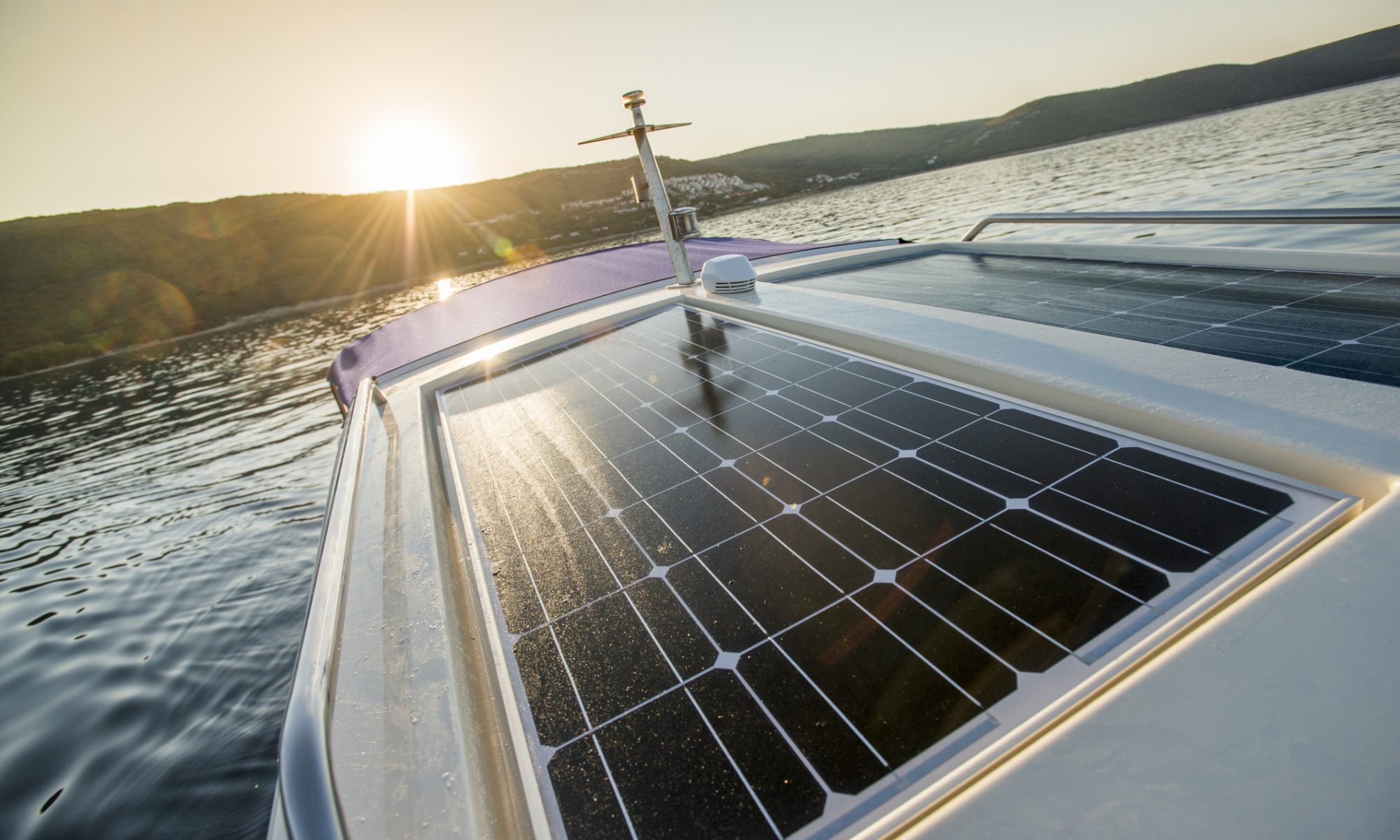
Ascent Solar Technologies Inc. (NASDAQ: ASTI) is extending its ultra‑light, flexible CIGS solar technology from space into the fast‑growing marine solar market, targeting everything from ocean monitoring systems to next‑gen electric boats. Management is positioning ASTI as a differentiated supplier for OEM boatbuilders, integrators and autonomous marine platforms that need durable, rapid‑turn solar solutions for harsh saltwater environments.
Why marine solar is a new growth leg for ASTI
The marine solar panel market is projected to reach roughly $5 billion by 2035, expanding at an estimated 13.1% CAGR between 2025 and 2035 as vessels, buoys, sensors and autonomous platforms electrify and seek more onboard renewable power. Ascent Solar’s featherweight, bendable thin‑film modules are drawing interest because they perform well in low light, are saltwater‑resistant, and can conform to curved surfaces such as hulls, decks, UAV wings and buoy structures.
Beyond durability, Ascent highlights speed as a key edge: the company says it can deliver customized solar arrays in six to eight weeks, versus nine to twelve months for many rivals, a meaningful advantage for marine OEMs and system integrators that depend on responsive supply chains. That faster cycle time could help ASTI capture share as more marine customers move from testing to scaled deployment.
Use cases: from ocean monitoring to autonomous vessels
Ascent has already supplied thin‑film PV test modules to an ocean monitoring company and an autonomous underwater vehicle (AUV) developer to evaluate long‑duration operation in challenging aquatic conditions. The company is also working with the Georgia Institute of Technology to integrate solar arrays directly into UAV wings for long‑range ocean monitoring seaplanes, targeting persistent maritime surveillance and data‑gathering missions.
ASTI sees additional demand emerging from solar‑powered buoys, offshore platform sensors, AUV surface charging systems, and electric boat hulls, as well as from developers of autonomous surface and subsurface vehicles—a niche but rapidly expanding segment of the broader marine solar ecosystem. With growing interest in autonomous and remotely powered marine assets, these use cases give Ascent a diversified entry ramp into the category.
Technology edge: Monolithic Integration and extreme‑environment pedigree
A key differentiator Ascent Solar is emphasizing in marine markets is its patented Monolithic Integration (MI) technology, which allows a panel to keep generating power even if it is partially damaged or punctured—an important feature for vessels exposed to waves, debris, and harsh weather. Traditional crystalline panels can lose full functionality when damaged; MI‑enabled thin‑film modules are designed to degrade more gracefully, improving reliability for remote ocean applications.
The company is also leaning on its track record in other extreme environments. Ascent’s PV modules have been deployed on space missions, autonomous aerial vehicles, agrivoltaic installations and industrial/commercial sites, and it is collaborating with NASA centers and defense‑oriented partners on power‑beaming and radiation‑tolerant designs. That “space‑grade” pedigree is part of the marketing narrative as ASTI pitches its technology to marine customers that cannot afford failures in remote, hard‑to‑service locations.
What this means for investors
For Ascent Solar shareholders, the marine push adds another vertical to the company’s “extreme environments” strategy, alongside space, defense and high‑altitude applications. If the company can convert pilot projects with ocean monitoring firms, AUV developers and academic partners into commercial‑scale orders, the marine segment could become a meaningful incremental revenue stream over the next decade.
At the same time, investors should recognize that ASTI remains an early‑stage, high‑beta story: execution on manufacturing scale‑up, customer adoption, competitive pricing and capital needs will all be critical, even as management highlights advantages in lead times, durability and flexible form factors. In a marine solar market projected to grow steadily into the 2030s, Ascent’s ability to turn technical differentiation into recurring, multi‑year contracts will be the key metric to watch.