FDA Clears First-of-Its-Kind Cell Therapy for Drug-Resistant Epilepsy

The FDA has, for the first time, cleared a specific kind of cell therapy for human testing in epilepsy, backing an allogeneic GABA‑producing cell therapy from Shanghai‑based Unixell Biotechnology for drug‑resistant patients.
Unixell’s first-in-human epilepsy cell therapy
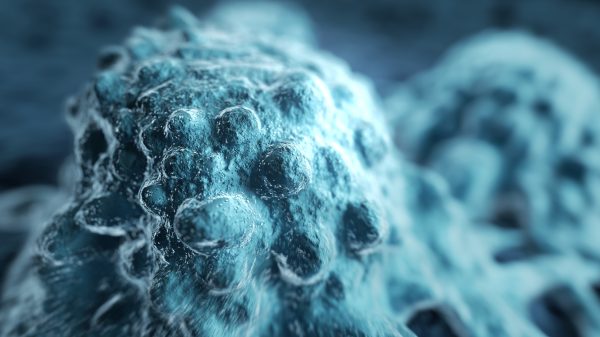
Unixell’s therapy uses donor‑derived stem cells engineered to become GABA‑releasing neurons, with the goal of rebuilding inhibitory brain circuits and dampening the abnormal electrical activity that triggers seizures. In animal models, the approach appeared safe and reduced seizures, setting the stage for an early‑stage clinical trial in people who have failed existing anti‑seizure drugs, which often carry significant side effects and do not address underlying network dysfunction.
China’s biotech ecosystem moves up the innovation curve
The Unixell milestone comes as Chinese biotech shifts from “fast‑follower” strategies toward higher‑complexity modalities like cell and gene therapy. PitchBook data show that emerging modalities now attract nearly half of China’s biotech venture funding, while the number of “innovative drugs” submitted for human testing more than tripled between 2019 and 2023, and China has led the world in first‑in‑human trials of next‑generation antibodies since 2021.
Competitive landscape: small molecules still advancing fast
If ultimately approved, Unixell’s therapy would sit alongside, rather than replace, a field still dominated by small‑molecule antiseizure drugs such as levetiracetam (Keppra), lamotrigine (Lamictal) and carbamazepine (Tegretol). At the same time, ion‑channel modulators are showing strong late‑stage data: Xenon Pharmaceuticals’ azetukalner cut median monthly focal seizure frequency by 53% versus 10% for placebo in a large trial, prompting plans for an FDA filing and analyst estimates of at least $1.6 billion in peak U.S. sales.
Biohaven (NYSE: BHVN) and privately held Quralis are advancing potassium channel activators for focal epilepsy and other neurological conditions, while Praxis Precision Medicines (NASDAQ: PRAX) is testing a sodium channel inhibitor as both monotherapy and add‑on therapy in mid‑ to late‑stage focal epilepsy studies. Together, these programs underscore that while Unixell’s cell therapy is a scientific first, it will eventually compete in an increasingly crowded—and rapidly evolving—epilepsy treatment market.