


Pfizer Is Pushing Forward on a Lyme Disease Vaccine — Even After Missing Its Trial Goal
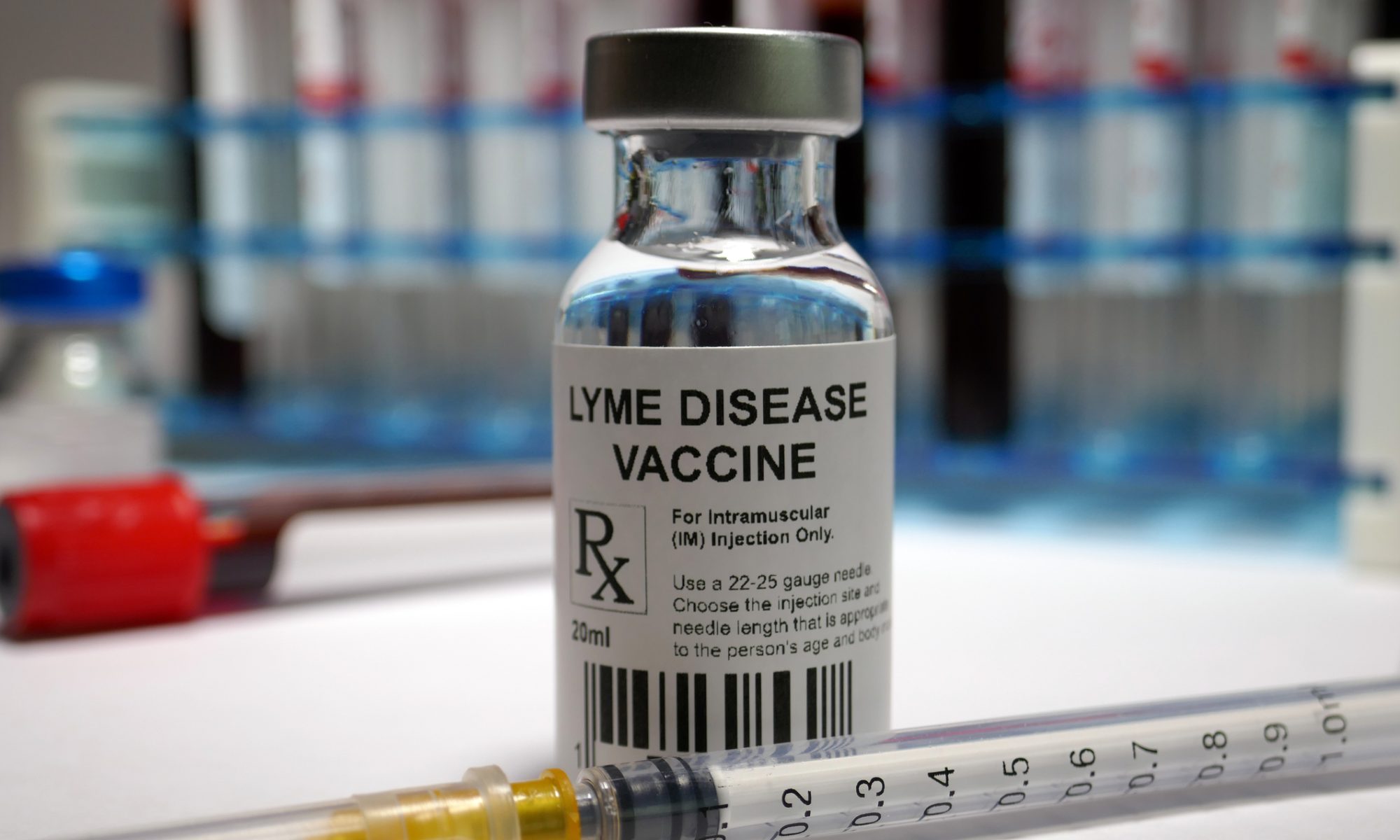
Pfizer (NYSE: PFE) and French biotech partner Valneva (Nasdaq: VALN) are moving toward regulatory submissions for their Lyme disease vaccine candidate, a decision that’s as strategically bold as it is scientifically nuanced.
What Happened
The companies announced topline results from their Phase 3 VALOR trial, with the vaccine candidate demonstrating more than 70% efficacy in preventing Lyme disease in individuals aged five and older, with no safety concerns identified at the time of analysis. Despite that meaningful efficacy signal, the vaccine technically missed the trial’s main statistical goal — with Pfizer attributing the shortfall to an insufficient number of participants contracting Lyme disease during the study period.
Pfizer is pressing forward regardless, citing strong real-world efficacy as the basis for its regulatory push.
Why It Matters Now
Climate change is driving tick proliferation and transforming Lyme disease from a seasonal nuisance into the most common vector-borne illness in the Northern Hemisphere, affecting an estimated 476,000 people in the U.S. annually. There hasn’t been an approved Lyme vaccine on the U.S. market since 2002, making this the first serious shot at filling that gap in over two decades.
Pfizer plans to submit a Biologics License Application to the FDA and a Marketing Authorization Application to the European Medicines Agency in 2026.
The Investor Calculus
This is a calculated risk. Valneva has estimated peak annual sales for the vaccine at over $1 billion — modest relative to Pfizer’s overall revenue base, but meaningful as a first-mover franchise in a market with no current competition.
The bigger question for investors: regulatory reception. Moving forward with a vaccine that technically missed its primary endpoint, under an administration that has signaled stricter scrutiny for vaccine approvals, could serve as a litmus test for U.S. vaccine policy. FDA optics matter here as much as the efficacy data.
Bottom Line
Pfizer is betting that 70%+ real-world efficacy in a disease with no approved vaccine and a growing patient population is a compelling enough story for regulators. If approved, it would be a meaningful commercial and reputational win. If rejected, it raises harder questions about the FDA’s posture on vaccine approvals going forward. Either outcome has market implications worth watching.












