Gevo Plans Major Low‑Carbon Ethanol Expansion at North Dakota Hub
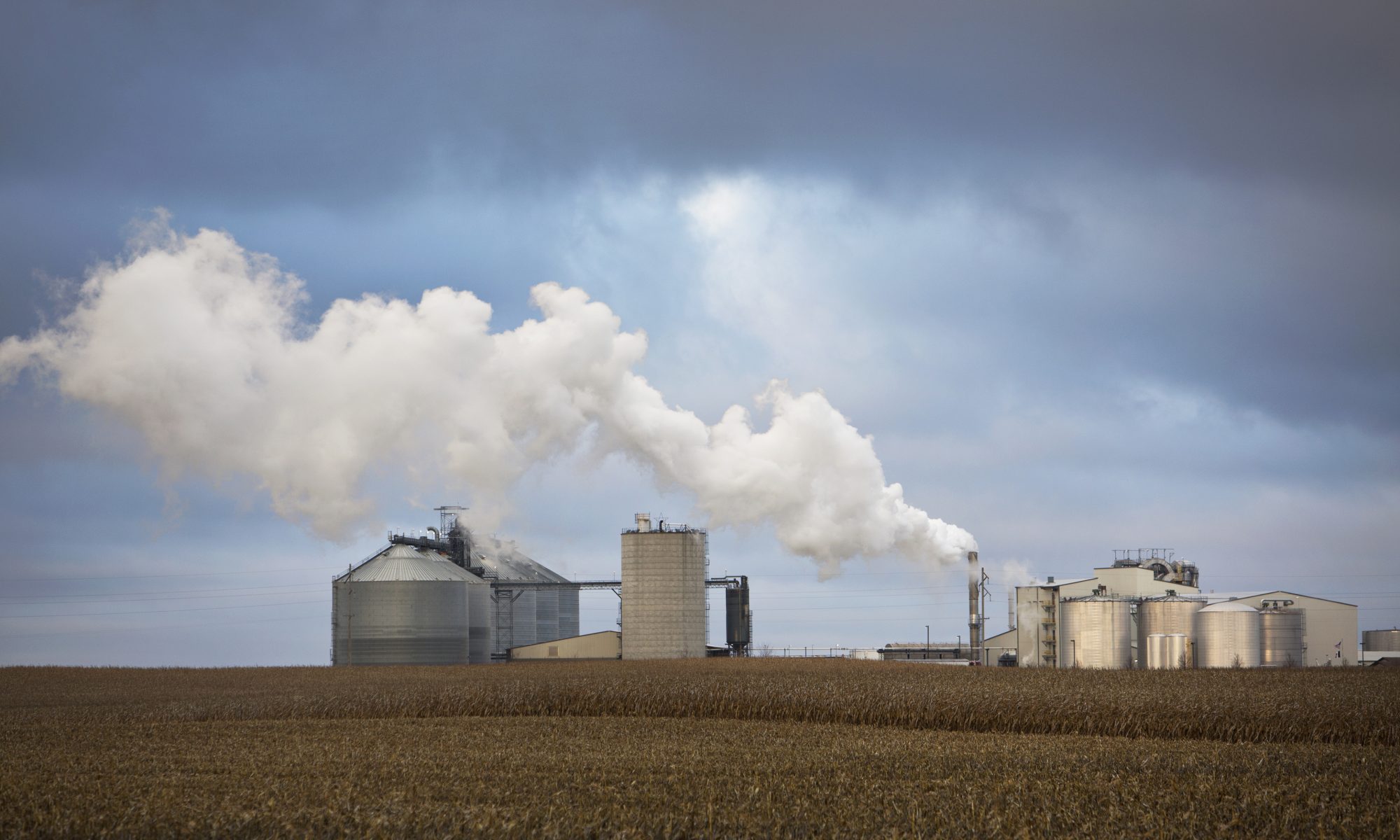
Gevo (NASDAQ: GEVO) is developing plans for a major capacity expansion at its Gevo North Dakota site in Richardton, adding a second ethanol plant with up to 75 million gallons per year (MGPY) of low‑carbon ethanol production. The project would build on an already announced debottlenecking that lifts the existing facility from 67 MGPY to 75 MGPY, positioning GND as a scaled low‑carbon fuels campus in a pro‑agriculture, pro‑energy state.
Integrated ethanol + CCS + SAF platform
GND already combines ethanol production with carbon capture and permanent sequestration, allowing Gevo to sell into low‑carbon fuel markets and voluntary carbon markets. With the new train, total site output could reach roughly 150 MGPY of low‑carbon ethanol, more than 400,000 metric tons of captured CO₂ annually, plus animal feed and corn oil coproducts that support the broader rural economy.
Capital‑efficient growth and carbon upside
Management says the expansion will leverage engineering work from prior projects, existing CCS infrastructure, and secured pore space to deploy capital more efficiently and reduce execution risk. The biogenic CO₂ stream underpins Gevo’s growing carbon business, enabling both low‑carbon fuel pathways—including cost‑effective alcohol‑to‑jet (ATJ) synthetic aviation fuel—and carbon‑removal credits through permanent sequestration or industrial uses such as enhanced oil recovery.
Strategic context and financing interest
Gevo sees this project as a way to cement its role as a leading supplier of low‑carbon ethanol domestically and internationally, while laying the groundwork for a future large‑scale ATJ facility co‑located at GND. The company notes “significant interest” from multiple potential financiers, which it views as validation of the Richardton expansion’s strategic value and its broader carbon‑centric growth plan.
Takeaways for GEVO investors
For GEVO shareholders, the proposed expansion, if sanctioned, would meaningfully increase scale at a flagship site, deepen the company’s position in carbon markets, and create optionality for larger SAF projects under the U.S. Renewable Fuel Standard and 45Z incentive framework. Successful execution could shift the story from a small‑cap technology developer to an operator of a multi‑asset, cash‑generating low‑carbon fuels and carbon‑removal platform tied directly to U.S. energy security and rural economic development.