New Era Energy & Digital Partners with Stream Data Centers on Flagship TCDC Campus Development
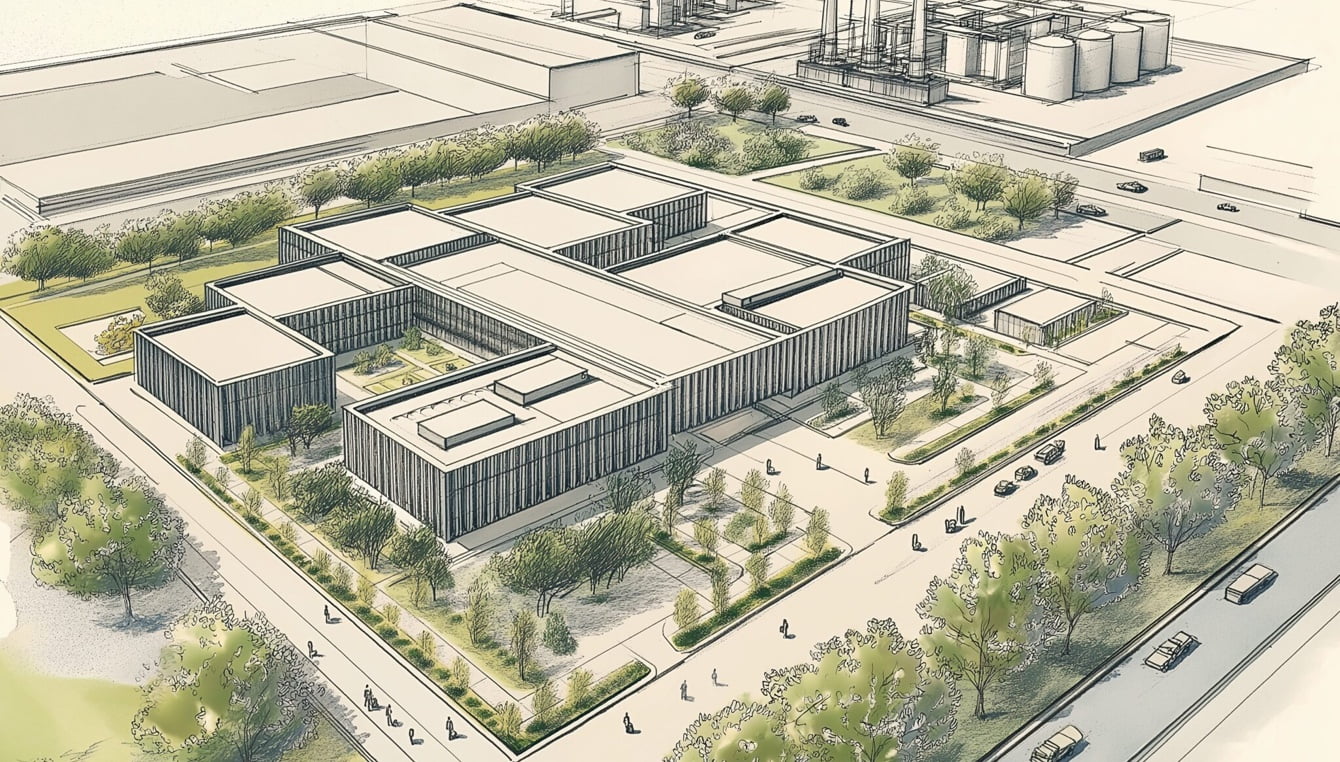
New Era Energy & Digital, Inc. (Nasdaq: NUAI), formerly New Era Helium, is executing a “power‑first” strategy for its Texas Critical Data Centers (TCDC) campus in the Permian Basin, securing behind‑the‑meter natural gas generation and strategic land corridors to serve hyperscale AI and HPC tenants. Recent agreements line up OEM equipment via partners like Thunderhead Energy and TURBINE‑X and add a 54‑acre corridor to strengthen interconnection options between nearby generation assets and the Ector County data center site.
De‑risking power availability for AI workloads
The company’s model is built around proprietary, behind‑the‑meter power “islands” designed to sidestep ERCOT congestion, improve reliability, and reduce exposure to grid constraints for large AI data center customers. Management argues that securing firm power and transmission paths up front—before building out racks—significantly reduces execution risk versus conventional data center developers that rely on long‑lead utility interconnection queues.
Growing ecosystem of strategic partners
New Era has already announced partnerships with Primary Digital Infrastructure for data center development expertise and Mawgan Capital for a “Digital Zero Power” low‑carbon supply concept at the Ector County campus. These alliances aim to differentiate TCDC as a high‑reliability, lower‑carbon compute hub, targeting up to 450 MW of behind‑the‑meter capacity in its initial phase and ultimately more than 1 GW across the broader campus.
Investor angle for NUAI
For NUAI shareholders, each incremental land, equipment, and power‑supply milestone reduces project risk and makes it easier to sign anchor AI and cloud tenants that require multi‑hundred‑megawatt campuses. If New Era can convert its power‑first strategy and partnerships into long‑term offtake contracts, the company could transition from a small‑cap energy story into a recurring, infrastructure‑style cash‑flow platform tied directly to AI compute demand.