Growth vs. Turnaround: L’Oréal Outpaces the Global Market while Estée Lauder Targets a Landmark €5B Merger
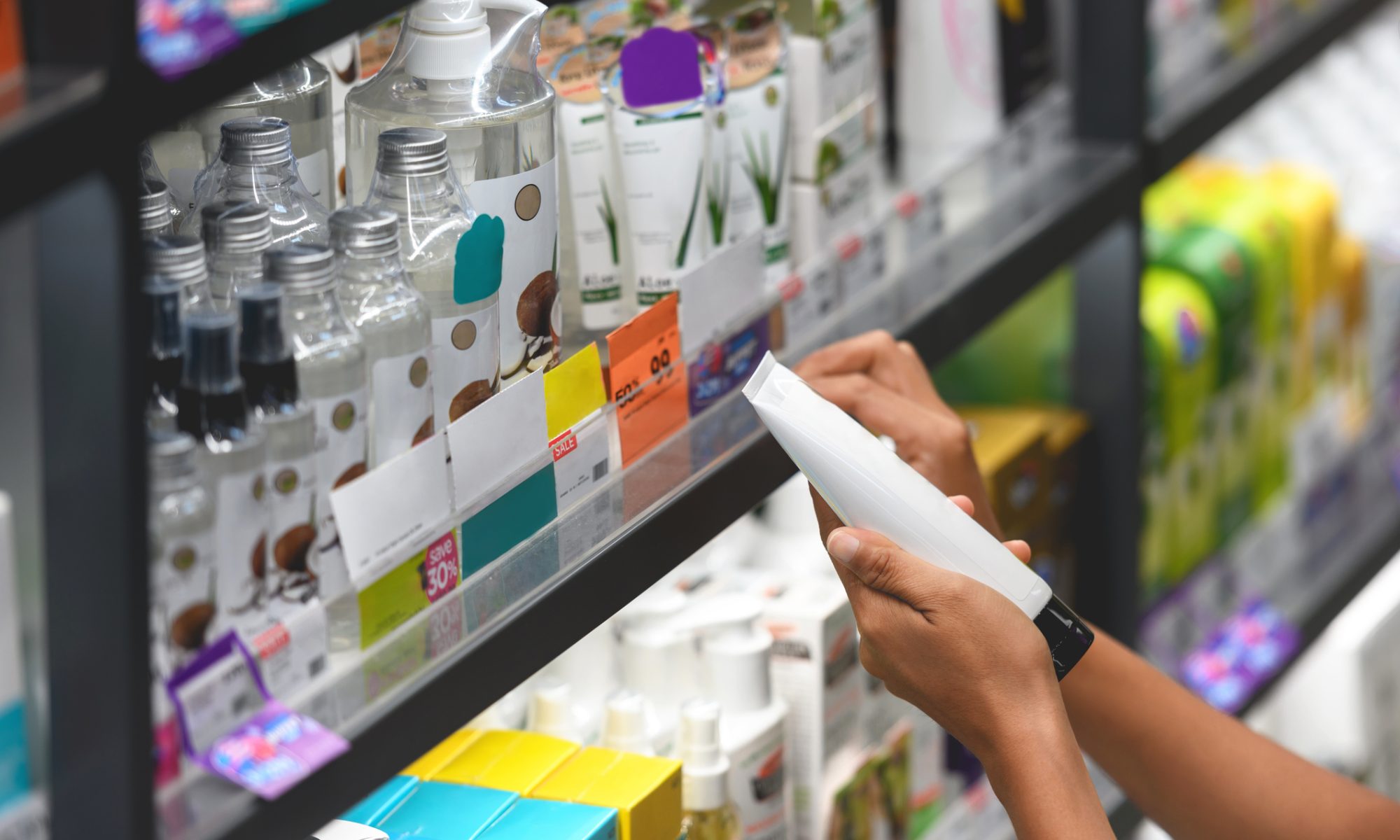
The global beauty landscape is shifting rapidly in 2026. L’Oréal (OTCMKTS: LRLCY) and Estée Lauder (NYSE: EL) are leading this transformation through massive acquisitions. Both firms are moving away from traditional cosmetics. They now focus on high-performance, medical-grade products. This pivot secures their future in a highly competitive market. Investors are closely watching these strategic maneuvers as the year progresses.
L’Oréal Finalizes the Kering Beauté Deal
L’Oréal (OTCMKTS: LRLCY) reached a major milestone last month. The company completed its €4 billion acquisition of Kering Beauté on March 31. This transaction adds the prestigious House of Creed to its luxury division. The firm also signed 50-year licenses for several iconic fashion houses. As a result, the company dominates the high-end fragrance market. Management is also launching a new joint venture with Kering. This project will explore wellness and longevity technologies. L’Oréal remains the world leader in beauty innovation today.
Estée Lauder Targets a $40 Billion Merger
Estée Lauder (NYSE: EL) is pursuing its own path to growth. Recent reports suggest the company is in advanced talks with Puig. This merger could create a beauty titan worth over $40 billion. The firm hired J.P. Morgan to structure a €5 billion financing package. This funding will support its ambitious takeover bid. Furthermore, the company’s “Beauty Reimagined” plan is yielding strong results. Gross margins recently expanded to 76.5%. The organization is successfully cutting costs while investing in new brands.
The Rise of Clinical and Medical Beauty
The demand for science-backed skincare is hitting new heights. Specifically, L’Oréal’s Dermatological Beauty division is growing faster than any other segment. Brands like La Roche-Posay and CeraVe continue to win over global consumers. In recent years, consumers now trust clinical results more than celebrity endorsements. To compete, Estée Lauder recently bought a stake in 111SKIN. This luxury clinical brand provides a crucial entry into the “doctor-led” market. Both companies view medicalized beauty as their primary growth engine for the next decade.
Navigating Global Risks and Tariffs
On the other hand, several challenges still remain for these conglomerates. New global trade tariffs are putting pressure on profit margins. Consequently, Estée Lauder lowered its profit forecast for the second half of 2026. L’Oréal is also dealing with costs from a major IT system upgrade. Despite these hurdles, both firms maintain a strong cash position. They are using AI to optimize their supply chains and marketing. This technology helps them react faster to local trends in Asia and North America.
Strategic Investment Summary
- L’Oréal Major Deal: The company acquired Kering Beauté for €4 billion to boost its prestige fragrance presence.
- Estée Lauder Merger: Advanced talks with Puig could create a combined beauty powerhouse valued at $40 billion.
- Clinical Focus: Both organizations are aggressively pivoting toward the high-growth “doctor-led” and dermatological skincare markets.
- Growth Metrics: L’Oréal reported 7.6% sales growth while Estée Lauder successfully expanded its gross margins to 76.5%.
- Strategic Pivot: The industry is moving from traditional makeup toward wellness, longevity, and science-backed clinical treatments.
- Financial Health: Both firms maintain high liquidity levels to fund ongoing infrastructure and technology upgrades in 2026.
- Competitive Moat: High-end licensing deals and proprietary clinical genetics create significant barriers to entry for smaller competitors.
Watch the transformation of the global vanity cabinet and track the next billion-dollar merger at the L’Oréal investor portal or at the Estée Lauder investor portal.