Iron Flow Batteries Go Live Over California Canals: ESS Hits a Key Milestone
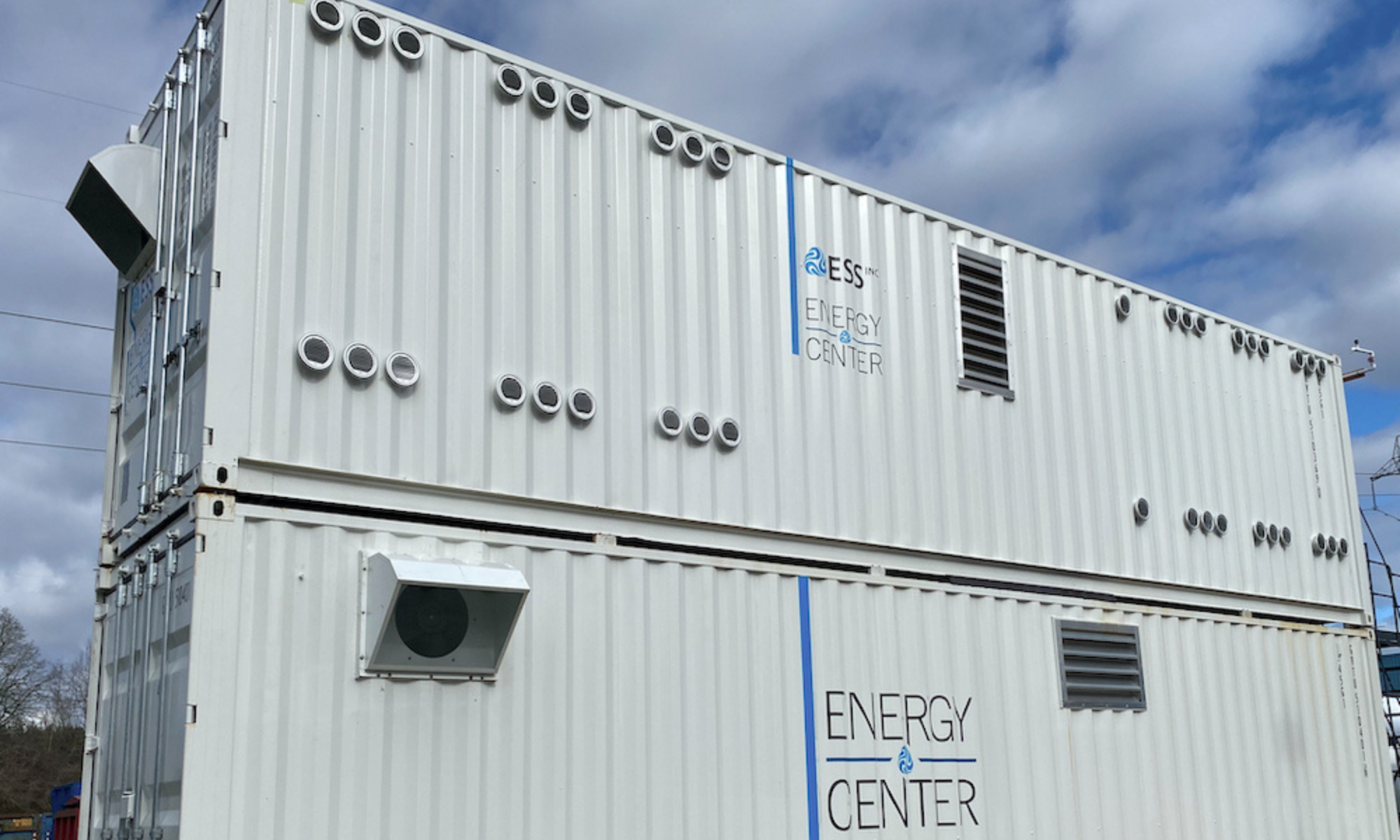
ESS Tech, Inc. (NYSE: GWH) has successfully commissioned two of its long‑duration iron flow battery systems at the Turlock Irrigation District (TID) Solar‑Over‑Canal project in California’s Central Valley.
The batteries are now operational, paired with solar panels installed above active irrigation canals, and ESS shares moved higher as investors reacted to this real‑world proof point for its technology.
Why this project is unique
The TID project combines three big themes in one site: long‑duration energy storage, solar power generation, and water conservation via shading canals to reduce evaporation.
By putting solar panels over irrigation canals and backing them with ESS iron flow batteries, the project aims to deliver dispatchable clean energy while preserving more water in a drought‑prone region.
What ESS is providing
ESS supplied two iron flow battery systems to TID, part of its Energy Warehouse‑style deployments designed for 6–12 hours of storage, giving grid operators flexibility to shift solar energy into evening and peak demand hours.
The systems use an electrolyte based on iron, salt, and water, which is non‑flammable and non‑toxic, making them well‑suited for installation directly alongside critical water infrastructure like canals.
Why this matters for ESS investors
This commissioning is described as an important operational milestone, demonstrating that ESS’s long‑duration iron flow batteries can function in a complex, utility‑scale infrastructure setting, not just in pilots or lab tests.
It strengthens the company’s narrative that iron flow storage can support resilience, safety, and flexible energy dispatch for utilities, potentially helping ESS win additional projects in water, grid, and renewable‑heavy regions.
Big picture on ESS Tech
ESS is a long‑duration energy storage company focused on iron flow batteries that can deliver multi‑hour (often 6–12+ hour) storage for commercial and utility‑scale customers.
Its solutions are designed to avoid capacity fade over a 20–25‑year design life and target use cases where safety, long duration, and frequent cycling are important, competing with or complementing lithium‑ion in grid and infrastructure projects.