Ferrari’s Electric Misfire Adds to a Growing Luxury EV Pullback
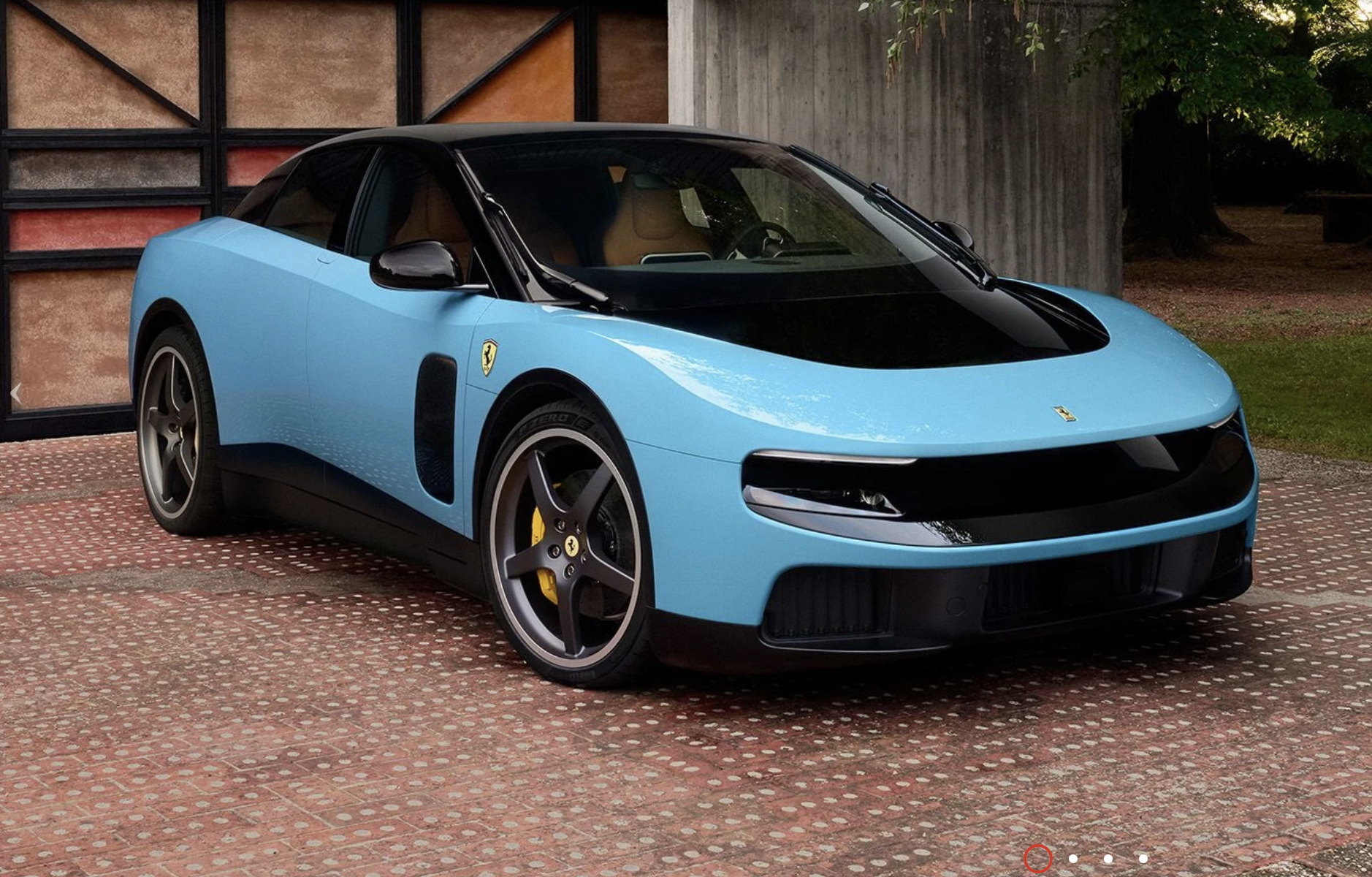
The Luce launch lands during a broader retreat from electrification at the high end of the auto market
Ferrari (NYSE: RACE) unveiled its first all-electric vehicle this week, and the reception was about as far from a Maranello debut as a launch can get. The Luce, a four-door sports car priced at €550,000 ($640,000), opened its order book Wednesday to a stock drop of roughly 8 percent, a wave of unflattering memes comparing it to a Nissan Leaf, and public criticism from a former Ferrari chairman who warned the company was “risking the destruction of a legend.”
The design, led by former Apple chief designer Jony Ive’s firm LoveFrom, marked a deliberate break from the brand’s traditional aesthetic. Reviewers praised the engineering and acceleration. Ferraristi prized the sleek angles and the engine roar, both of which the Luce lacks by definition. The gap between what Ferrari built and what its core buyer expected was the story of the week.
The market reaction matters less for the Luce itself than for what it confirms about luxury EVs as a category. Ferrari joins a growing list of high-end automakers walking back electrification ambitions. Mercedes-Benz, Porsche, and Lamborghini have all postponed, scaled back, or abandoned EV programs over the past 18 months. Lamborghini CEO Stephan Winkelmann told CNBC this week that killing the all-electric Lanzador in favor of plug-in hybrids was “the right way to go,” citing weak acceptance among the brand’s customer base.
Ferrari itself had already telegraphed the shift. In October, the company cut its 2030 EV mix target to 20 percent from the 40 percent it set in 2022, while holding its hybrid target at 40 percent. Shares have fallen by roughly a third since that revision, and the stock now trades near its 52-week low, well below the $519 high set earlier in the cycle.
The investment read is straightforward. Citi’s Harald Hendrikse noted that Ferrari’s gas-powered and hybrid models will drive profits for the foreseeable future, regardless of how the Luce performs. That is consistent with what is playing out across the luxury segment. The thesis that battery-electric powertrains would migrate seamlessly into the high-margin top of the market has not held up against actual buyer behavior.
For investors watching the EV space, the takeaway is less about Ferrari specifically and more about the structural reality that demand for premium EVs has stalled at every price tier above mass market. The names with durable economics in this segment are increasingly the ones that did not bet the brand on a full electric transition. Plug-in hybrids, once dismissed as a transitional technology, are emerging as the strategic landing zone for luxury makers who misjudged how fast their customers would move.
The Luce will find its buyers. The question now is whether Ferrari has read the market correctly about how many of them there are.