WeRide, Uber and AVOMO Target Spain’s First Commercial Robotaxi Service
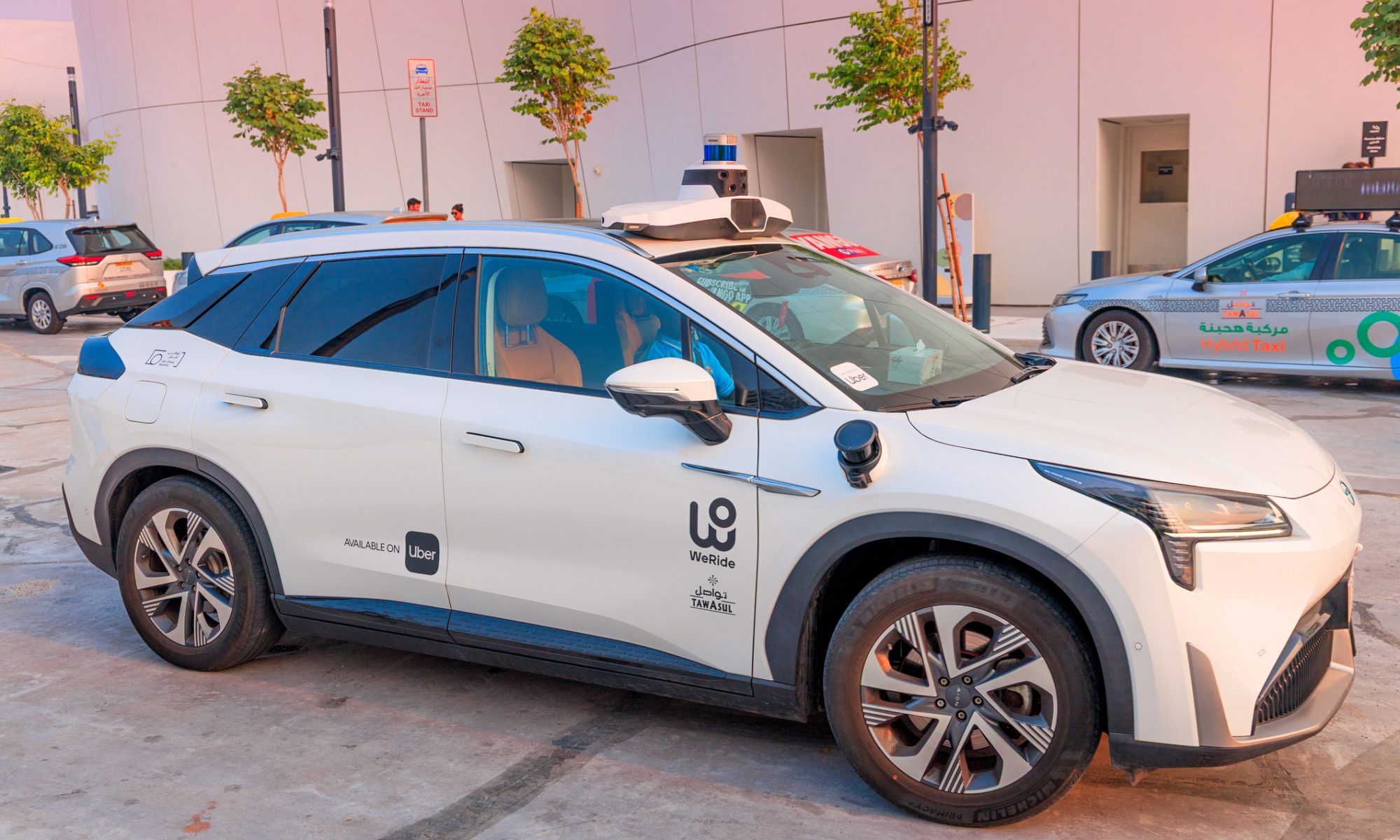
WeRide Inc. (NASDAQ: WRD), Uber Technologies Inc. (NYSE: UBER) and fleet operator AVOMO are teaming up to roll out Spain’s first commercial robotaxi pilot in the Region of Madrid later in 2026. Riders will be able to request autonomous rides directly through the standard Uber app, so the experience will feel familiar even though the vehicles use self‑driving technology from WeRide.
At launch, the service will operate in selected areas of Madrid and then expand over time as performance, safety and regulatory checks are met. This pilot marks the first joint European deployment for WeRide and Uber and turns Madrid into one of a small but growing group of global cities where commercial robotaxis are available to the public.
How the robotaxi service will work day to day
During the early phase, each robotaxi will include a professionally trained safety operator in the driver’s seat to monitor the system and step in if needed. This human‑in‑the‑loop model is a common first step in autonomous driving rollouts and helps regulators and riders gain confidence before the companies move toward fully driverless operation.
WeRide will provide the autonomous driving technology stack that powers the robotaxis, including sensors, perception software and decision‑making algorithms. AVOMO, part of Moove Cars Group, will manage daily fleet operations such as vehicle maintenance, charging, dispatch and local regulatory compliance, similar to its role supporting Uber fleets in Atlanta and Austin in the United States.
Long‑term growth plan for the Madrid robotaxi fleet
WeRide, Uber and AVOMO are starting with a limited number of vehicles but are already talking about a much larger footprint. As service metrics and safety milestones are met, the partners plan to scale to hundreds of robotaxis in Madrid and eventually aim for fully driverless Level 4 service that covers the city’s core urban areas.
The Madrid launch is part of a broader collaboration between WeRide and Uber that targets coverage in 15 cities worldwide by 2030, with tens of thousands of robotaxis deployed if everything goes to plan. Spain is the fifth European market for WeRide and will be the fourth city where WeRide and Uber have active robotaxi projects together, following earlier deployments in the Middle East and other regions.
Why this matters for investors in WRD and UBER
For WeRide (WRD), the Madrid pilot supports its “asset‑light” strategy: WeRide supplies the autonomous driving technology while partners like Uber and AVOMO handle demand and fleet operations. This model can help WeRide expand globally without having to own and manage every vehicle itself, which may reduce capital needs and allow it to focus on software, hardware kits and recurring service revenue.
For Uber (UBER), the partnership fits its long‑term goal of offering lower‑cost, more reliable rides while gradually reducing reliance on human drivers. If robotaxis can operate safely and at scale, Uber could improve ride availability and margins over time, especially in dense cities like Madrid. The flip side is that both WeRide and Uber still face meaningful execution risk, including regulatory approvals, technology performance, public acceptance and the challenge of operating hundreds of autonomous vehicles in complex European streets.