


AbbVie Bets Big on Immunology With $10.9 Billion Apogee Acquisition
AbbVie Strikes an All-Cash Deal
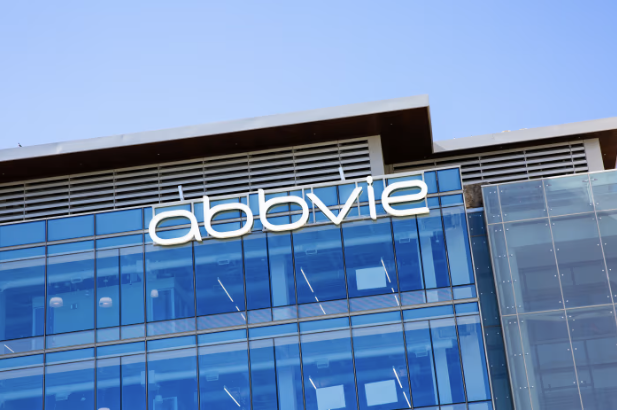
AbbVie (ABBV) has agreed to acquire Apogee Therapeutics (APGE) in an all-cash transaction worth roughly $10.9 billion. Under the terms, AbbVie will pay $135.11 per share, and in doing so it aims to strengthen its immunology franchise while accelerating its push into respiratory treatments.
Investors reacted instantly. Apogee shares rocketed about 47% on Monday, and AbbVie itself climbed nearly 4% — a rare move that rewarded both sides of the deal at once.
Why AbbVie Wants Apogee’s Pipeline
Beyond the headline price, the strategic logic centers on Apogee’s clinical-stage pipeline. Specifically, the acquisition gives AbbVie a portfolio of candidates that target inflammatory and immunological diseases, including atopic dermatitis and asthma.
The standout asset is zumilokibart, Apogee’s lead candidate for atopic dermatitis, which delivered clinically significant results in a phase 2 trial. Moreover, Apogee is advancing a combination therapy that pairs zumilokibart with an antibody designed to treat asthma — broadening the respiratory upside that clearly attracted AbbVie.
What Leadership Is Saying
AbbVie’s leadership framed the move as a natural extension of its existing strengths. CEO Robert Michael said the deal builds on the company’s leadership and adds “highly differentiated clinical-stage assets” to an already robust immunology portfolio.
Likewise, Apogee CEO Michael Henderson cast the agreement as a validation of his team’s work, arguing that it both delivers substantial shareholder value and positions the company’s programs to reach their full potential.
The Fine Print and Timeline
Although the announcement landed with a bang, the deal still has hurdles to clear. First, it requires regulatory approval and a sign-off from Apogee’s shareholders. Assuming both come through, the companies expect to close the transaction in the third quarter.
Notably, AbbVie cautioned that the acquisition won’t become accretive to adjusted earnings per share until 2032. In other words, this is a long-term pipeline bet rather than a quick earnings boost.
How Apogee Got Here
To understand the context, it helps to look at Apogee’s recent trajectory. In May, the company reported a widening first-quarter net loss of $74.1 million, up from $55.3 million a year earlier.
That same month, however, Apogee shored up its funding by striking a strategic financing collaboration with Blackstone (BX) Life Sciences worth up to $1.3 billion — capital earmarked to support zumilokibart’s development and potential commercialization. Meanwhile, AbbVie entered the deal from a position of strength, having raised its full-year outlook in April after better-than-expected first-quarter results.
The Bottom Line
Ultimately, this acquisition reflects a clear strategy: AbbVie is paying a premium today to secure a differentiated immunology pipeline for the next decade. While the EPS payoff sits years away, the immediate market reaction suggests investors believe the long game is worth it.












