


Innovation for Every Skin: How AI is Changing the Vitiligo Playbook
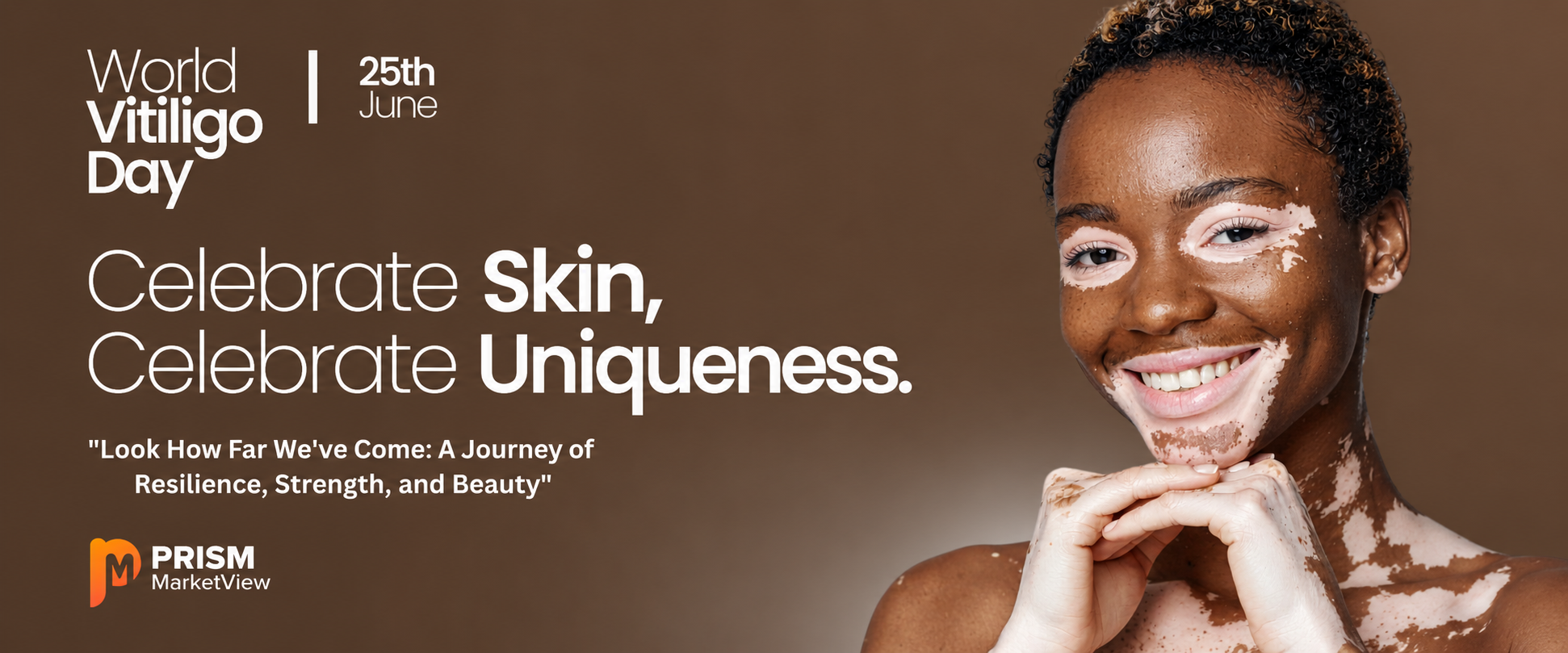
World Vitiligo Day 2026 carries the theme “Look How Far We’ve Come: A Journey of Resilience, Strength, and Beauty,” marking a decade of progress for a condition that affects about 1% of the global population. Much of that progress now runs through artificial intelligence, as software, data, and drug development combine to deliver earlier detection, more personalized treatment, and broader access to care.
AI at the Frontline of Vitiligo Care
AI‑driven platforms like Skinopathy and the Vitiligo Research Foundation’s AI‑Guide are building tools that help assess depigmentation from images, track changes over time, and give patients vetted, expert‑aligned information between clinic visits. While these organizations are not publicly traded, they demonstrate how AI can sit between the clinic and the community, expanding access without replacing dermatologists.
Public Companies Moving the Needle
On the public markets side, several large companies touch AI dermatology and vitiligo, even if none are pure‑play AI vitiligo stocks.
Incyte Corporation (NASDAQ: INCY) markets Opzelura, the first FDA‑approved topical ruxolitinib cream for nonsegmental vitiligo.
Pfizer Inc. (NYSE: PFE) is advancing its oral JAK inhibitor Litfulo (ritlecitinib) in late‑stage development for vitiligo.
Edesa Biotech, Inc. (NASDAQ: EDSA) is developing EB06, an anti‑CXCL10 monoclonal antibody, for moderate‑to‑severe nonsegmental vitiligo, a mechanism distinct from the JAK inhibitors already on the market. The company has Health Canada clearance for a Phase 2 study and says site activations and patient recruitment are expected to begin midyear 2026, subject to regulatory approval.
Amgen Inc. (NASDAQ: AMGN), Merck & Co., Inc. (NYSE: MRK), and AbbVie Inc. (NYSE: ABBV) are all exploring immune‑modulating approaches that intersect with vitiligo‑relevant pathways.
AI Beauty, Precision Data, and Skin Inclusion
Consumer and AI‑health platforms are also shaping the ecosystem. Beauty leaders like Estée Lauder (NYSE: EL) and Coty (NYSE: COTY) are using AI for skin analysis and personalization, which indirectly affects how AI “sees” conditions like vitiligo in diverse skin tones. Precision‑medicine players such as Tempus AI (NASDAQ: TEM) are building analytics infrastructure that could support future autoimmune and dermatology insights.
Inclusion as the Ultimate Catalyst
A decade of progress only compounds if the tools keeping pace are built for everyone. AI models must be trained on images and data that truly represent the global vitiligo community, across all skin tones and regions. For companies, that is both a moral obligation and a strategic opportunity. Those who build equitable, representative AI and therapies will be best positioned as vitiligo care enters its next chapter.












