FMC Corporation Secures $400M Minority Investment from Tessenderlo Group
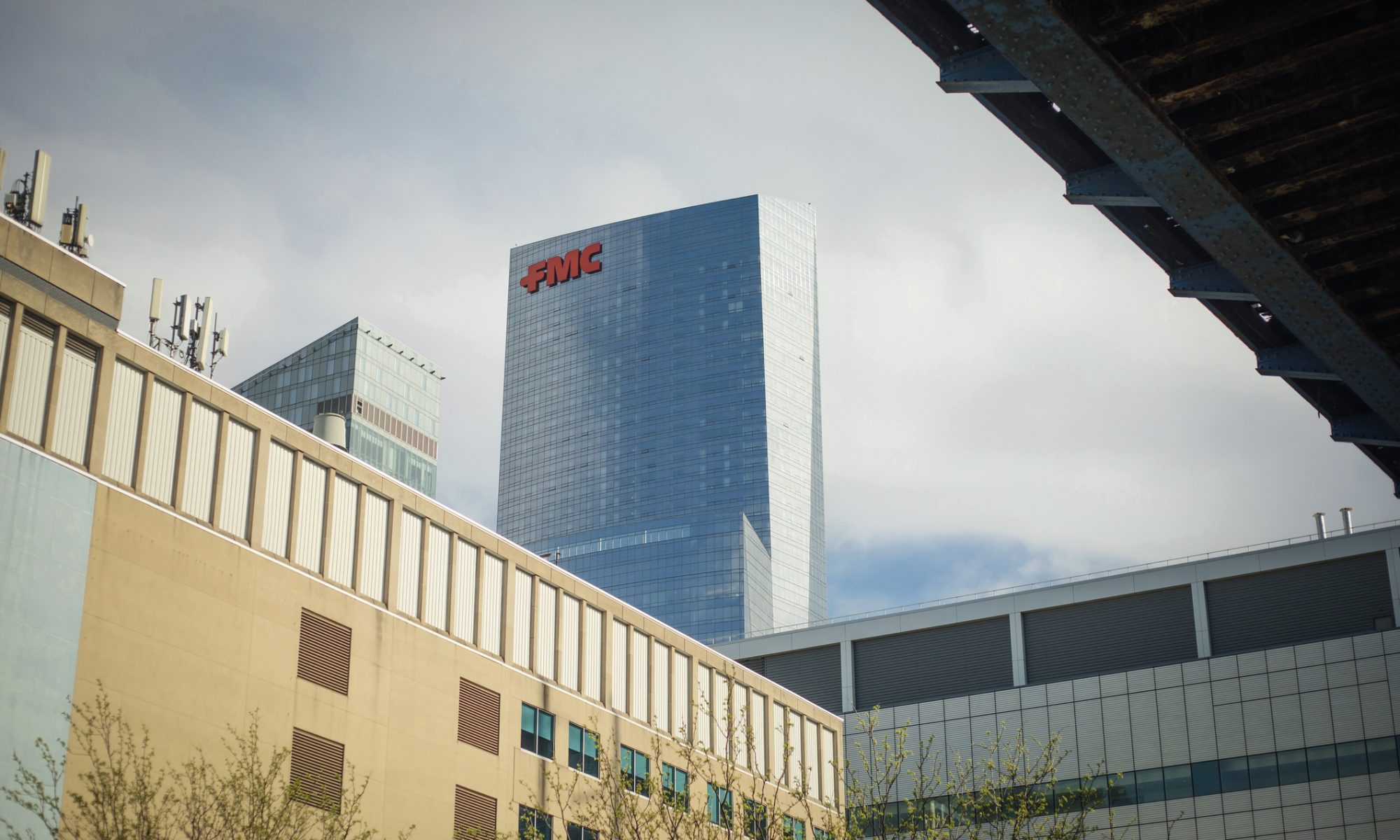
FMC Corporation (NYSE: FMC), a global agricultural sciences company, and Tessenderlo Group announced a definitive agreement on June 30, 2026 under which Tessenderlo will acquire approximately 20% of FMC’s outstanding common stock at $13.30 per share, for a total investment of approximately $400 million. FMC intends to use the proceeds to hit its approximately $1 billion debt paydown target. In doing so, the deal formally concludes the company’s strategic review process, which the board launched in February 2026 with options that included an outright sale of the company.
A Strategic Review That Ends With Independence Intact
FMC entered 2026 under considerable financial pressure. Full-year 2025 revenue came in at $3.47 billion, an 18% decline versus 2024, driven by price compression on its core portfolio and a post-patent transition on Rynaxypyr®, its flagship diamide insecticide. As a result, the board formally opened a strategic review in February 2026—one that explicitly left a full sale of the company on the table. Over the following months, management pursued a parallel track: executing a series of balance sheet actions while simultaneously evaluating external options. The Tessenderlo investment now closes that chapter. Rather than selling the company, FMC resolves its leverage problem through minority equity, preserves its independence, and keeps its R&D pipeline intact under existing leadership.
Five Balance Sheet Actions That Set the Stage
Well before the Tessenderlo deal closed, FMC had already assembled a substantial package of financial moves to stabilize its position. The company amended its revolving credit facility to obtain significant covenant relief, giving it operational breathing room as the review played out. It then raised $1.2 billion in a secured high-yield bond offering, shoring up near-term liquidity. Beyond that, FMC signed an agreement to sell its India commercial business for $252 million, entered a strategic supply and license agreement with Corteva that included an initial $200 million prepayment, and signed a framework agreement for a $114 million sale-and-leaseback of its Newark, Delaware property. Together, those five actions—combined with the $400 million from Tessenderlo—push the company firmly toward its $1 billion debt reduction target.
What Tessenderlo Gets From a 20% Stake
Tessenderlo Group is a Belgian industrial conglomerate with operations spanning agriculture, bio-residual valorization, machinery, electronics, and energy. The company recorded consolidated revenue of 2.8 billion EUR in 2025 and operates in more than 100 countries. Its CEO Luc Tack described the FMC investment as a cornerstone minority position in a high-quality company with meaningful long-term potential—language consistent with Tessenderlo’s stated strategy of making strategic anchor investments rather than pursuing full acquisitions. Notably, at $13.30 per share, Tessenderlo enters at a significant discount to FMC’s 52-week highs, acquiring a 20% stake in a company whose new-ingredient pipeline analysts view as genuinely differentiated. The investment gives Tessenderlo direct exposure to FMC’s crop protection platform without absorbing the complexity of a full integration.
The New Molecule Pipeline Drives the Long-Term Thesis
FMC’s investment case hinges on whether four next-generation active ingredients can compensate for the revenue headwinds from Rynaxypyr’s patent expiry. Sales of Isoflex®, fluindapyr, and Dodhylex® already reached approximately $200 million in 2025, up 54% year over year, though that figure fell short of the company’s $250 million target—partly due to registration timing delays for Isoflex® in Great Britain. For 2026, FMC projects new active ingredient sales of $300 to $400 million, implying growth exceeding 75% at the midpoint. Rimisoxafen, the fourth molecule, received a rare dual mode of action classification in February 2026, strengthening its position as a tool against herbicide-resistant weeds. In addition, FMC expanded its rimisoxafen partnership with Corteva in June 2026, broadening market access for the molecule further. If these products continue to scale, they provide a credible path to revenue stabilization as legacy portfolio pressure persists.
FMC Continues Executing on Project Foundation
In parallel with the financial restructuring, FMC has pursued an internal operational overhaul under the banner of Project Foundation. The initiative focuses on aggressive cost reduction and manufacturing optimization, including a shift of production from higher-cost U.S. and European sites toward lower-cost facilities in India and China. Chairman and CEO Pierre Brondeau framed the Tessenderlo transaction as the culmination of a comprehensive process that positions the company to execute its operational and strategic plan as an independent business. With its leverage materially improved and its pipeline progressing, FMC now enters the second half of 2026 with more financial flexibility than it had at the start of the year—though the pace of new-ingredient commercialization will remain the critical variable investors watch.
Strategic Investment Summary
- Deal Structure: Tessenderlo Group agreed on June 30, 2026 to invest approximately $400 million in FMC Corporation (NYSE: FMC) at $13.30 per share, acquiring approximately 20% of FMC’s outstanding common stock.
- Strategic Review Concluded: The investment formally ends FMC’s board-level strategic review, which launched in February 2026 and included evaluation of a full sale of the company.
- Debt Paydown Target: FMC directs the $400 million proceeds toward debt reduction, reaching its approximately $1 billion paydown target when combined with prior asset sales, bond issuances, and licensing agreements.
- Balance Sheet Actions: FMC previously executed five major financial moves: covenant relief on its revolver, a $1.2 billion high-yield bond offering, a $252 million India business sale, a $200 million Corteva prepayment, and a $114 million sale-leaseback of its Newark facility.
- Pipeline Growth: FMC’s four new active ingredients—Isoflex®, fluindapyr, Dodhylex®, and rimisoxafen—generated approximately $200 million in 2025 sales and target $300 to $400 million in 2026, with rimisoxafen receiving a dual mode of action classification in February 2026.
- Tessenderlo’s Rationale: Tessenderlo Group, a Belgian industrial conglomerate with 2.8 billion EUR in 2025 revenue, pursues a strategy of cornerstone minority investments in high-quality companies, viewing FMC’s proprietary molecule portfolio as a long-term opportunity.
- Independence Preserved: FMC operates as an independent company following the transaction, with management focused on accelerating new-ingredient commercialization and executing Project Foundation cost and manufacturing improvements.
Find out more about the latest corporate developments and financial reports at the FMC Corporation investor portal.