


Profound Medical Uses SRS2026 To Push Its “No‑Incision” Robotics Story
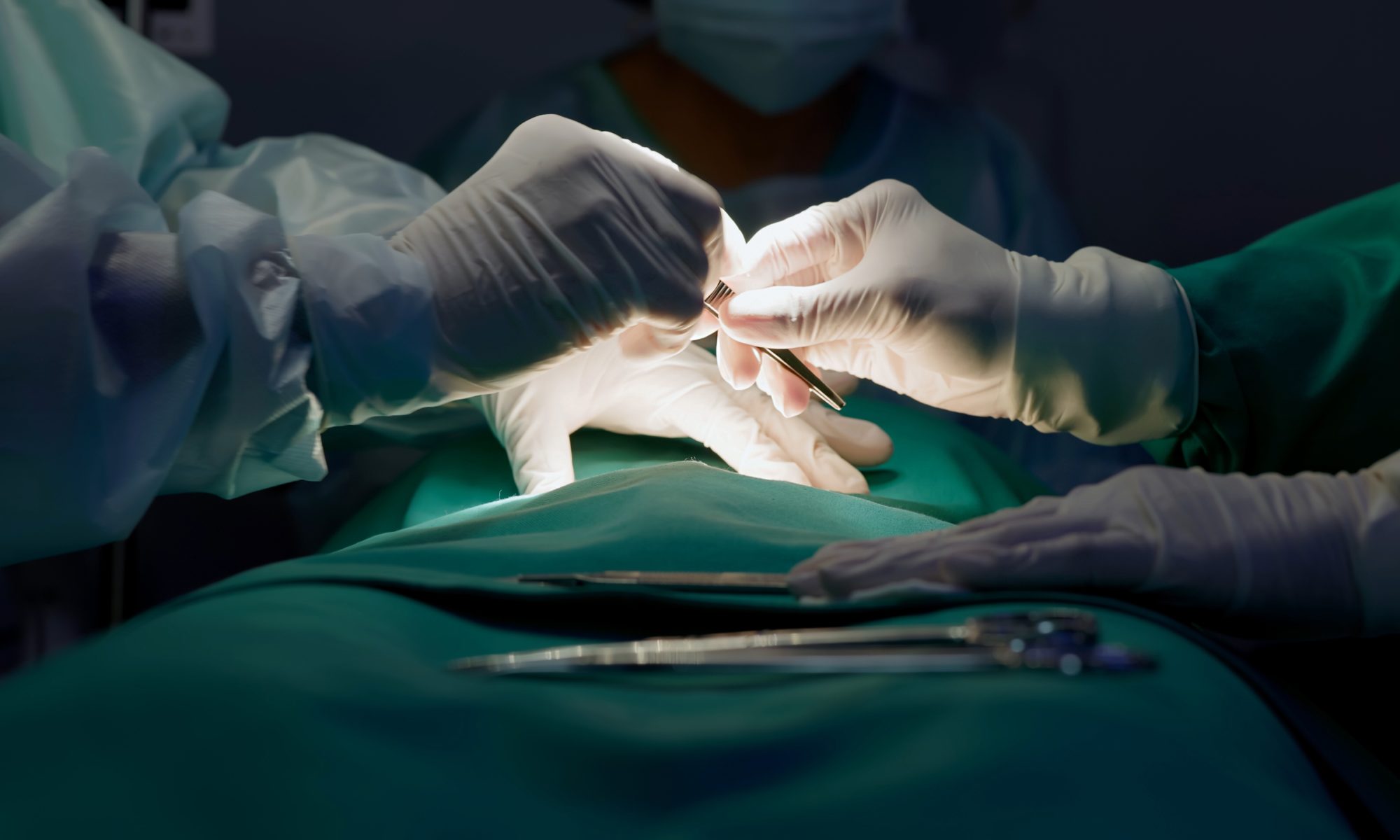
Profound Medical Corp. (NASDAQ: PROF) is using the SRS2026 meeting to spotlight its vision for surgery that relies on imaging and robotics instead of scalpels. The company wants both surgeons and investors to see its TULSA‑PRO platform as a serious alternative to traditional prostate surgery, and as the foundation for a broader future in incision‑free, soft‑tissue procedures.
What Profound Medical is building
Profound Medical focuses on treating prostate disease without cutting into the body. Its TULSA‑PRO system combines real‑time MRI imaging, a robotically controlled ultrasound device inserted through the urethra, and automatic temperature feedback to precisely destroy diseased tissue while sparing healthy structures. The idea is to give patients effective treatment without incisions or radiation, and with better chances of preserving continence and sexual function.
Why SRS2026 matters
SRS2026 is a key international forum for robotic and image‑guided surgery. Profound Medical plans a high‑profile presence there with sessions centered on autonomous robotics and incisionless prostate ablation. That follows other recent visibility, including clinical trial updates, talks at major urology meetings, and investor presentations that frame TULSA‑PRO as part of a shift away from traditional open or robotic prostatectomy.
For investors, the meeting is another chance for PROF/PRN to get its technology in front of surgeons who decide what equipment their hospitals adopt, and in front of medtech watchers who are looking for differentiated robotics stories.
Profound Medical is already commercial, not just a concept. It’s selling TULSA‑PRO into centers that have MRI scanners and has reported strong revenue growth along with formal guidance. Its approach is also different from most robotic surgery platforms, which focus on cutting and suturing. Profound’s model relies on imaging and heat to treat tissue from within, which could appeal to hospitals that want to use existing MRI assets more strategically.
Management has also hinted at a longer‑term “platform” vision: starting with the prostate, then potentially expanding incision‑free, MRI‑guided ablation to other organs if data and demand support it. That gives PROF/PRN a pipeline‑style narrative built around technology rather than just one procedure.
Of course, risks remain. Adoption depends on surgeon training, reimbursement, and head‑to‑head outcomes versus standard prostatectomy approaches. But SRS2026 is an important step in putting Profound Medical’s imaging‑driven robotics story on the radar of more clinicians and investors.












