


Galmed Aims Its SCD1 Inhibitor at the Heart with a New Delivery Formulation
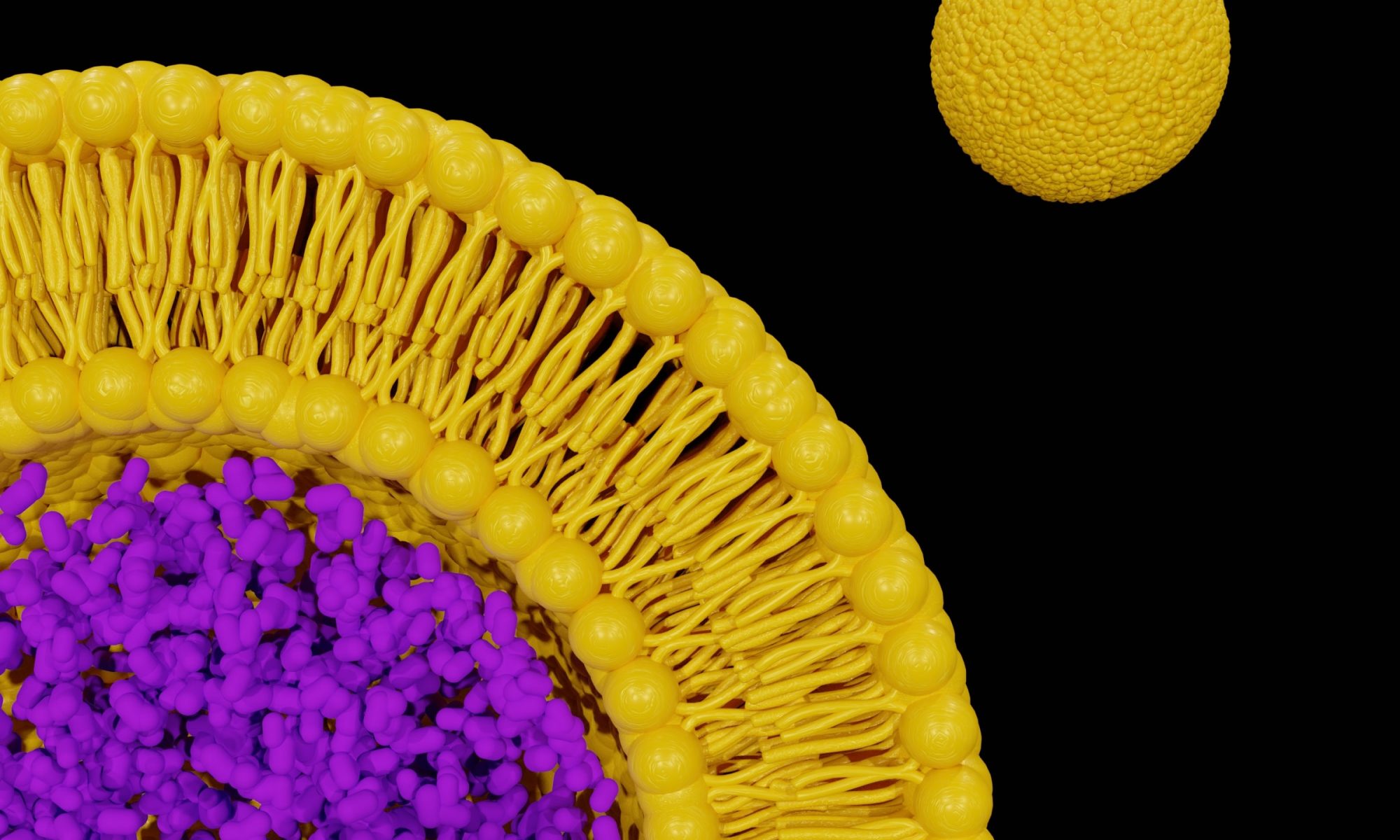
Galmed and partner Barcode Nanotech have built a lipid-nanoparticle version of Aramchol designed to reach cardiac tissue. The science is early, and the company itself frames it as a longer-term effort.
Galmed Pharmaceuticals (Nasdaq: GLMD) said it has developed a new lipid-nanoparticle (LNP) formulation of Aramchol, its SCD1 inhibitor, engineered to deliver the drug to the heart rather than the liver. Working with Barcode Nanotech, the company used an AI-enabled platform that screens hundreds of nanoparticle candidates in vivo to find carriers that concentrate the drug in cardiac tissue. Aramchol’s standard formulation accumulates 80 to 90 percent in the liver; the new version is designed to redirect that biodistribution toward the heart muscle.
The target is cardiac fibrosis, the scarring that drives much of the progression to heart failure, and a genuinely unmet need, since no approved therapy directly prevents or reverses it. Galmed points to anti-fibrotic activity seen with Aramchol in the liver, in the open-label portion of a Phase 3 MASH study, and in preclinical heart organoid and animal models as the rationale for pursuing the heart.
Early Science, Longer-Term Bet
The important context is stage. This is preclinical formulation work, not clinical data in cardiac patients, and it follows a similar nanoparticle formulation for brain delivery that Galmed announced in April. The company has not put Aramchol into a cardiac trial, and any such program would be years and considerable capital away from proof.
Galmed’s own management places the effort in that frame. Chief Executive Allen Baharaff described the company’s near-term focus as commercializing CG-100, the device from its recently acquired Colospan subsidiary, and advancing Aramchol in GI oncology, and cast the Barcode collaboration as a longer-term vision rather than a current priority. For investors, the cardiac work reads as optionality on a repurposing platform, a way to extend the value of an existing molecule, not a near-term catalyst.
What would change that is data. The next thing worth watching is whether the cardiac-targeted formulation produces functional results in disease models strong enough to justify a formal preclinical program, and eventually an IND. Until then, this is a promising piece of delivery science attached to a well-worn drug, and its value depends entirely on what comes after it.
For informational purposes only. Not investment advice or a recommendation to buy or sell any security. The formulation described is preclinical and has not been tested in cardiac clinical trials. Company forward-looking statements are subject to the risks described in its SEC filings.












