Navitas and Magnachip Strike SiC Partnership to Target High-Voltage Power Markets
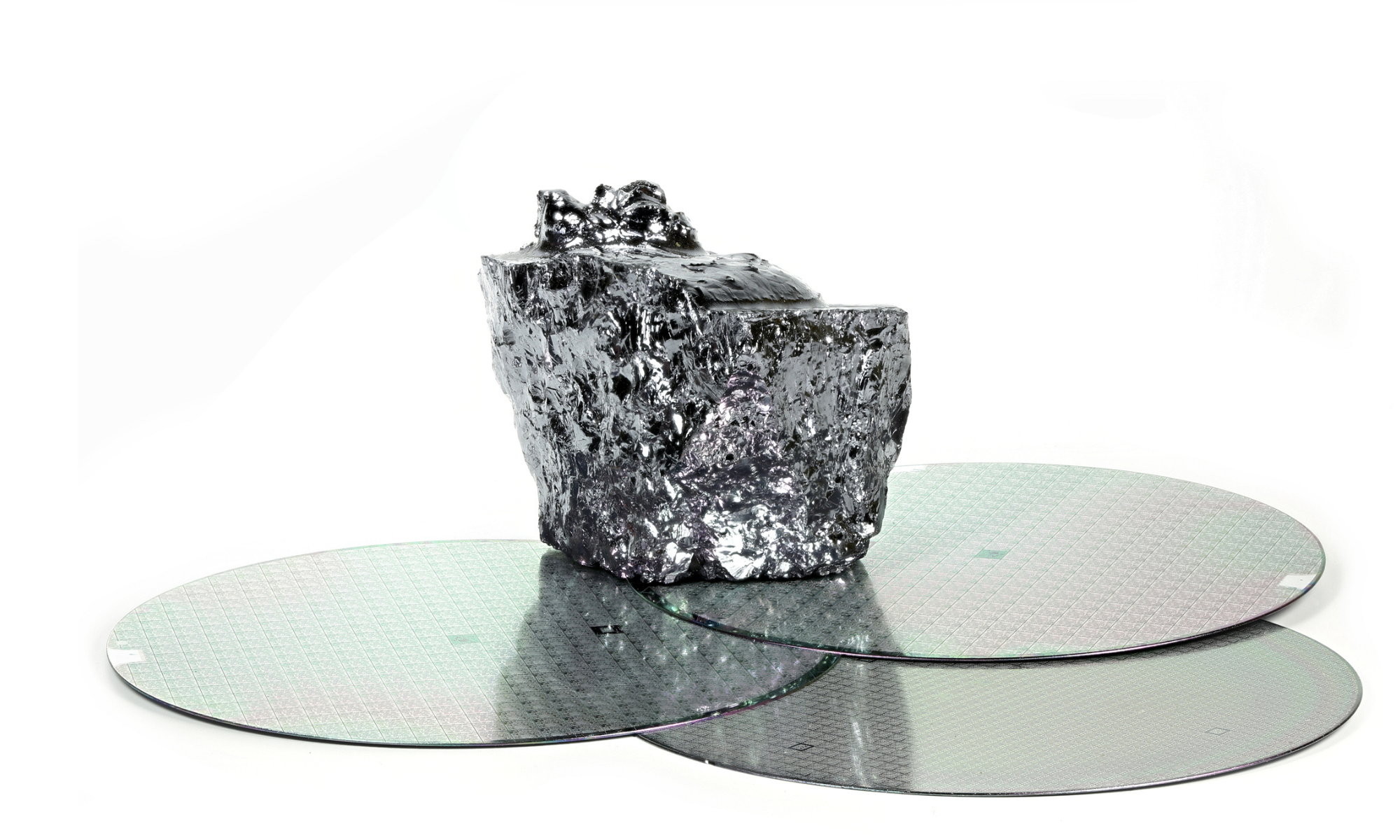
Navitas and Magnachip are partnering to speed up adoption of high-voltage silicon carbide technology, with Magnachip licensing Navitas’ GeneSiC platforms.
- Navitas and Magnachip announced a SiC partnership.
- Magnachip will license Navitas’ GeneSiC technology.
- The deal targets high-voltage power markets.
Navitas Semiconductor (NASDAQ: NVTS) and Magnachip Semiconductor (NYSE: MX) announced a strategic partnership to speed up adoption of silicon carbide, or SiC, in high-voltage and ultra-high-voltage power markets. Under the deal, Magnachip will license Navitas’ GeneSiC Trench-Assisted Planar technology to enter those markets.
License gives Magnachip access to higher-voltage SiC technology
The license includes Navitas’ 1200V, 2300V, 3300V and higher-voltage SiC technologies. Magnachip will also gain access to Navitas’ SiC supply chain and materials ecosystem, and the technology is expected to be ported, qualified, and internalized at Magnachip’s South Korea fab. That setup could help Magnachip move more quickly into next-generation power conversion applications.
Target markets for the silicon carbide platforms
The companies said the licensed SiC platforms are aimed at energy and grid infrastructure, energy storage, industrial electrification, automotive, and other high-power systems. For investors, the key point is that this is a commercial partnership, not just a research announcement, and it gives Magnachip a path into a larger power-semiconductor market. Navitas is also extending the reach of its GeneSiC technology through licensing while Magnachip broadens its product line.
Investor takeaway on growth potential
For investors, the partnership suggests Navitas is looking to broaden the reach of its GeneSiC platform while Magnachip gains a faster path into a larger power-semiconductor market. If the collaboration works as planned, it could create a new growth channel for both companies, especially in high-power applications tied to electrification and infrastructure spending.