Rigetti, HPE and PSC Build a Quantum-Classical Testbed for the Next Computing Era

- Rigetti will provide a 9-qubit Novera quantum computing system for the new testbed.
- The project is backed in part by a $5 million National Science Foundation grant.
- The system will combine quantum hardware with classical high-performance computing.
- The collaboration includes Rigetti, HPE, and the Pittsburgh Supercomputing Center.
Rigetti Computing (NASDAQ: RGTI) is expanding its collaboration with Hewlett Packard Enterprise (NYSE: HPE) and the Pittsburgh Supercomputing Center (PCS) to help build a new hybrid quantum-classical supercomputer. The project is designed to test how quantum and classical systems can work together in a real computing environment, which gives the announcement a more practical angle than a standard research update.
How the testbed is being built
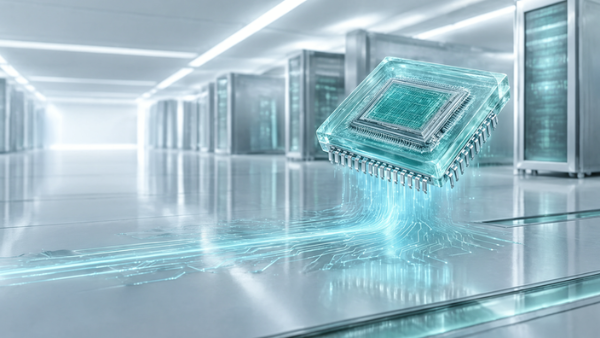
The new supercomputing testbed will pair Rigetti’s Novera quantum system with a classical high-performance computing setup. That makes the project a hybrid platform, meaning it is built to explore how the two technologies can be connected for practical use. HPE and the Pittsburgh Supercomputing Center are helping provide the infrastructure needed to support that effort.
Why the funding and partnership matter
The project is being funded in part by a $5 million National Science Foundation grant, which adds credibility and support to the effort. For Rigetti, that means its hardware is being placed into a visible, institution-backed environment where its technology can be evaluated in a more real-world setting. For HPE and PSC, the collaboration gives them another opportunity to explore how quantum and classical computing may eventually complement each other at scale.
What the announcement suggests for investors
For investors, the update shows that Rigetti is continuing to build its position through partnerships that create exposure for its quantum hardware. The company is not just talking about future potential, but helping launch a funded project that could support longer-term development in quantum infrastructure. The main question is whether this kind of collaboration can keep strengthening Rigetti’s credibility as quantum computing moves closer to commercial use.