Snap Inc. Launches $2,195 “Specs” AR Glasses, Debuts Specs Intelligence AI Platform
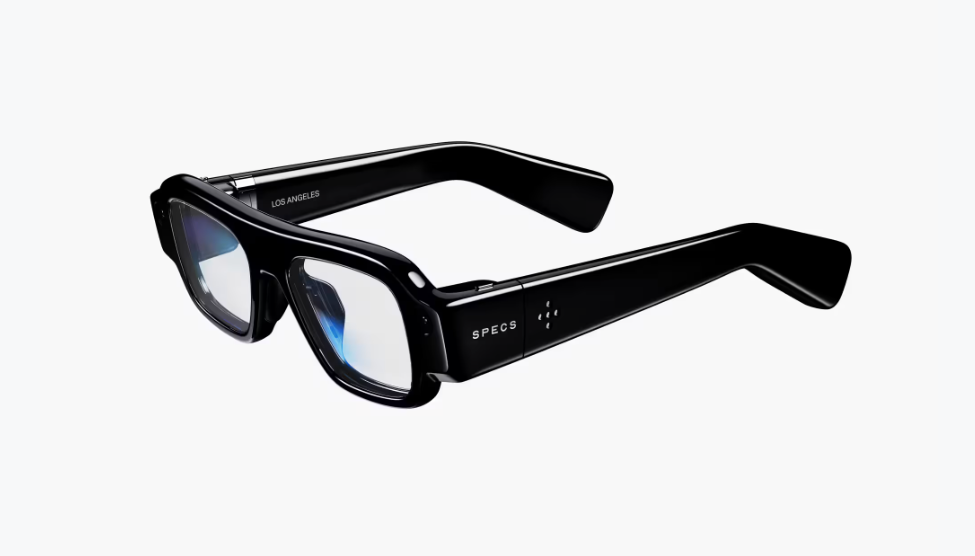
Snap Inc. (SNAP) pushed deeper into wearable computing on Wednesday, launching its $2,195 “Specs” augmented reality glasses and unveiling a companion AI platform called Specs Intelligence. Investors responded quickly, sending Snap shares up roughly 2% in premarket trading Thursday, as the company staked out an ambitious position in an increasingly crowded smart glasses market.
Key Points
- Snap Inc. (SNAP) launched its $2,195 Specs AR glasses on Wednesday, first teased at the Augmented World Expo in June.
- Unlike Meta’s (META) $799 Ray-Ban Display glasses, Specs run apps independently — no paired smartphone required.
- Specs pack two displays per lens, whereas Meta’s competing glasses feature a single small display.
- The new Specs Intelligence AI platform surfaces relevant information in the wearer’s field of view and connects to apps such as Gmail, Slack, and Messages.
- Snap is targeting both consumers and enterprises, adding partnerships with Salesforce and Nvidia (NVDA).
- SNAP shares rose about 2% in Thursday premarket trading.
Specs Break Free From the Smartphone
Rather than tethering its hardware to a phone, Snap built Specs as self-contained wearable computers that run apps and software on their own. That design choice directly separates the device from Meta’s (META) $799 Ray-Ban Display glasses, which still require a compatible smartphone to function. Moreover, Specs deliver two built-in displays per lens, while Meta’s glasses rely on just a single display tucked into the lower-right corner of the right lens.
Consequently, Snap is positioning Specs for a wide range of scenarios. Wearers can play augmented reality games with friends who own their own pair, transform the glasses into a virtual big-screen TV, or navigate their surroundings through an AR-powered guidance system.
Specs Intelligence Brings AI Into View
Alongside the hardware, Snap (SNAP) introduced Specs Intelligence, an AI service that actively surfaces relevant information directly in the wearer’s field of view. Because the platform also runs on Mac and iPhone, it connects to a variety of everyday apps, including Messages, Gmail, and Slack.
In one demonstration, a traveler at the airport asked Specs about her flight; the assistant promptly replied that her gate had changed but reassured her she still had plenty of time. In a separate demo, the AI purchased movie tickets on a Mac — it navigated to the right site, grabbed the tickets, and then paused to ask whether it should complete the transaction before spending any money.
Snap Targets Enterprise, Too
Beyond the consumer market, Snap is aiming Specs squarely at businesses. For instance, the company says field workers using Salesforce integration can identify the objects they’re servicing and instantly pull up relevant information. Furthermore, Snap is collaborating with Nvidia (NVDA) to bring the chipmaker’s AI agents onto the glasses, helping workers better understand their environment.
A Crowded — and Scrutinized — Market
Snap and Meta hardly stand alone in this space. Samsung and Google (GOOGL) are both preparing to debut their own eyewear, and Apple (AAPL) is reportedly developing glasses of its own. However, the technology continues to draw privacy backlash, largely because wearers can discreetly film others without consent — a concern that will likely follow the entire category as it grows.