


vTv Therapeutics Highlights Opportunity to Improve Type 1 Diabetes Care Alongside Automated Insulin Delivery
Key Points
- A survey presented by vTv Therapeutics found that low blood sugar remains a concern for many adults with type 1 diabetes who use automated insulin delivery systems.
- After accounting for overlapping responses and weighting for A1C, researchers estimated that approximately 54% of these users experienced at least one of four hypoglycemia-related burdens.
- Among automated-system users, 24% reported frequent low blood sugar below 54 mg/dL, while 12% reported a Level 3 event during the previous year.
- The findings highlight a potential need for treatments that work alongside insulin, but do not demonstrate that vTv’s experimental drug, cadisegliatin, addresses that need.
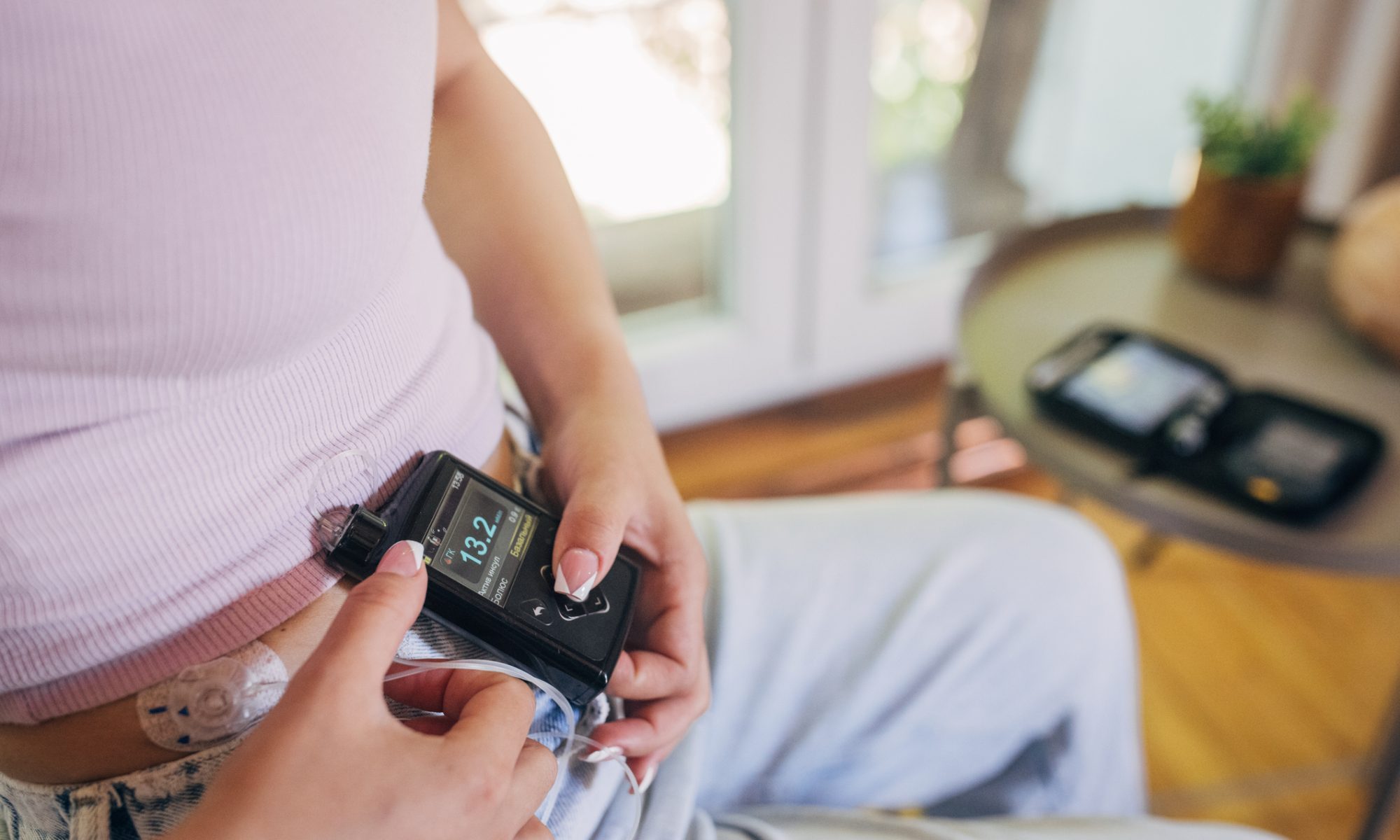
vTv Therapeutics (NASDAQ: VTVT) has presented survey findings showing that hypoglycemia, or low blood sugar, continues to affect many adults with type 1 diabetes despite their use of automated insulin delivery systems.
Survey Finds Several Types of Low Blood Sugar Burden
The online survey, commissioned by vTv and conducted by dQ&A Market Research, included 674 adults with type 1 diabetes. Of those, 429 used automated insulin delivery systems.
Among users of these systems:
- 24% reported frequent Level 2 hypoglycemia, with blood glucose below 54 mg/dL. Frequent events included episodes occurring daily, almost daily or a few times in a typical week.
- 12% reported a Level 3 hypoglycemic event in the previous 12 months.
- 17% said they never or rarely noticed the symptoms of low blood sugar, indicating impaired awareness.
The survey also examined how fear of low blood sugar influenced glucose-management decisions. Among automated-system users with A1C above 7%, 49% strongly agreed that they often kept their glucose higher to avoid hypoglycemia or would target lower levels if the risk were not a concern.
The 54% Estimate Includes Both Events and Management Concerns
Researchers grouped respondents across four dimensions: frequent Level 2 events, Level 3 events, impaired awareness and avoidance of lower glucose targets because of hypoglycemia concerns.
After accounting for overlap and weighting for A1C, they estimated that approximately 54% of adults using automated insulin delivery experienced at least one of these burdens.
That figure does not mean 54% experienced a severe low blood sugar event. It combines reported episodes, difficulty recognizing symptoms and the effect of hypoglycemia concerns on daily glucose management.
Because the research was an online survey based on reported experiences, it does not provide the same evidence as a controlled treatment trial.
Cadisegliatin Is Being Developed to Work Alongside Insulin
vTv is developing cadisegliatin, also known as TTP399, as an oral treatment to be used alongside insulin—not as a replacement.
The drug is designed to activate glucokinase in the liver. Nonclinical studies support investigating whether this approach can improve blood sugar control by helping the liver take up glucose and store it as glycogen.
Cadisegliatin has received FDA Breakthrough Therapy designation, but it remains investigational. Its safety and effectiveness have not been established, and the designation is not an approval.
Investor Takeaway: Evidence of an Unmet Need, Not New Drug Results
For VTVT investors, the presentation supports the company’s argument that additional treatment options may be needed even for patients using automated insulin delivery.
However, the announcement contains no new cadisegliatin efficacy or safety results. The survey describes the problem vTv hopes to address; clinical studies must establish whether its drug can provide a meaningful benefit alongside insulin and existing technology.












