Fractyl’s Revita Meets Its Six-Month Pivotal Goal, but Shares Sink as Investors Weigh the Margin
Fractyl Health, Inc. (NASDAQ: GUTS) said Friday morning that its Revita procedure met the six-month co-primary endpoint of the pivotal REMAIN-1 study. Patients who received Revita after stopping the GLP-1 drug tirzepatide regained significantly less weight than patients who got a sham procedure. Even so, investors sold the news: shares swung sharply in premarket trading and at one point were down roughly 50% from Thursday’s close near $4.16.
Key Points
- Revita patients regained 5.1% of body weight at six months versus 8.2% for sham, a statistically significant difference (p=0.0023).
- Revita patients kept about 80% of the weight they lost on tirzepatide, compared with 67% for sham.
- The study reported no device- or procedure-related serious adverse events.
- Fractyl plans to file for FDA De Novo authorization in late Q4 2026, with 12-month data, including the second co-primary endpoint, due in Q1 2027.
Fractyl Health (NASDAQ: GUTS) Tackles Weight Regain After GLP-1s
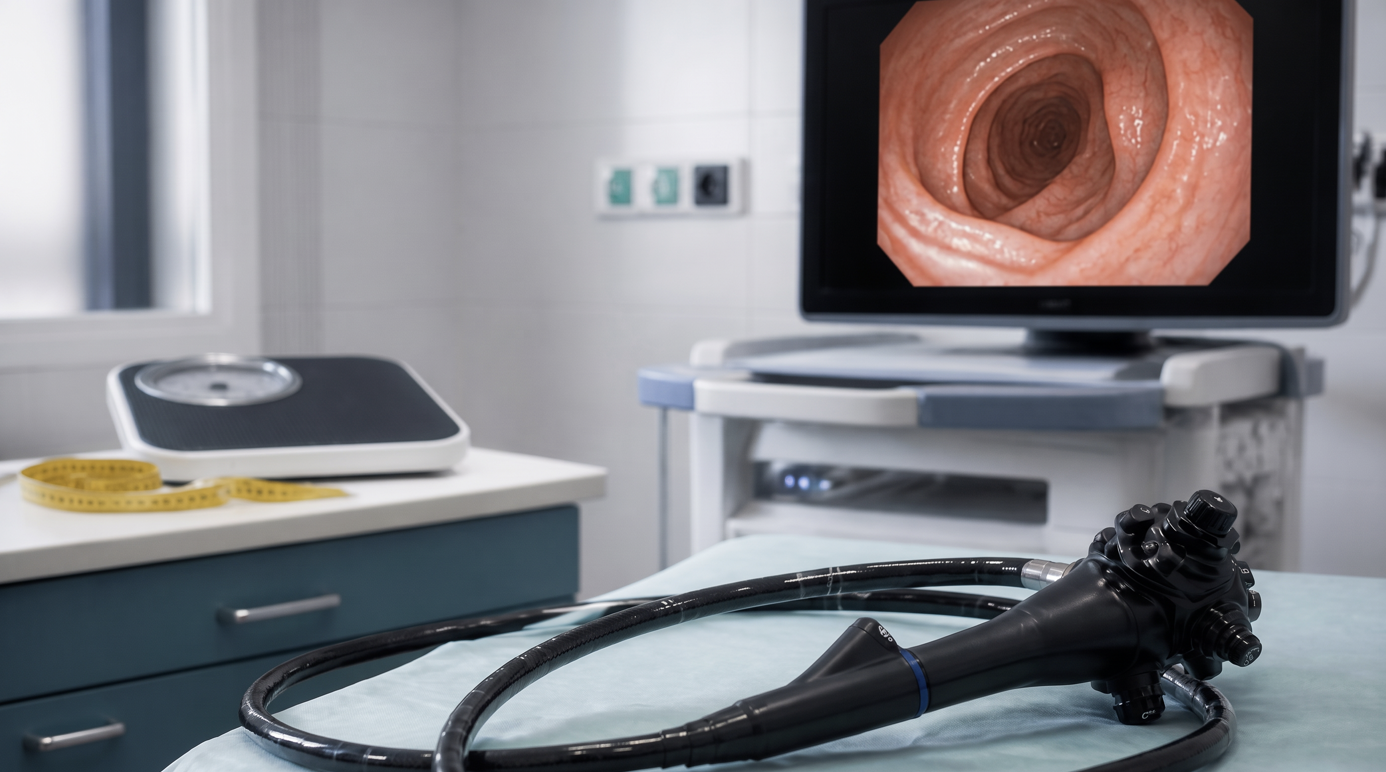
Revita is a one-time endoscopic procedure that remodels the lining of the duodenum, the first part of the small intestine. Fractyl is developing it for a fast-growing problem: patients often regain weight after they stop GLP-1 drugs. The FDA has given Revita Breakthrough Device designation for that use.
The REMAIN-1 pivotal cohort enrolled 308 adults with obesity at more than 30 U.S. sites. Participants first took tirzepatide until they lost at least 15% of their body weight. After stopping the drug, they were randomized 2:1 to receive Revita or a sham procedure.
“A trial of this size meeting its primary endpoint signals the potential for a new therapeutic category in obesity care,” said co-founder and CEO Harith Rajagopalan, M.D., Ph.D.
The Gap Widened Over Time
The difference between the two groups grew at each check-in and nearly doubled from month three to month six. In a post hoc analysis, 32% of Revita patients were weight stable or kept losing weight, compared with 18% on sham.
Fractyl also saw a dose effect. In post hoc data, patients whose ablation covered 20 centimeters or more of the duodenum regained just 3.8%, about 53% less than sham. Those analyses were not prespecified, however, so they carry less weight than the primary result.
Safety looked clean. Related side effects were mostly mild and short-lived, and 94% occurred within seven days of the procedure.
Why Fractyl Health (NASDAQ: GUTS) Shares Fell Anyway
Despite the win, investors focused on the size of the benefit. Revita patients still regained about 5% of their body weight in six months, and the trial’s second co-primary endpoint remains open. That endpoint requires that more than 50% of Revita patients keep at least 5% weight loss at one year, a bar set by the FDA, and the result is due in the first quarter of 2027.
The stock also carries baggage from earlier this year. Fractyl faces securities class actions tied to earlier Revita data and two 2025 stock offerings, and the lead-plaintiff deadline falls on October 20.
Looking ahead, Fractyl plans to submit its De Novo application in late Q4 2026, targeting potential FDA authorization in late 2027 and a U.S. launch in early 2028. A new CPT billing code for the procedure takes effect January 1, 2027. Fractyl is a member of the PRISM Global Health Index.