


Actuate Receives U.S. Patent Allowance for Elraglusib Oral Tablets Ahead of Planned Trial
Key Points
- The USPTO issued a Notice of Allowance for claims covering oral tablet compositions of elraglusib, Actuate’s investigational GSK-3β inhibitor.
- The allowance includes the optimized tablet formulation intended for upcoming clinical trials.
- Actuate plans to begin a Phase 1/2 study in patients with advanced cancer in the first quarter of 2027.
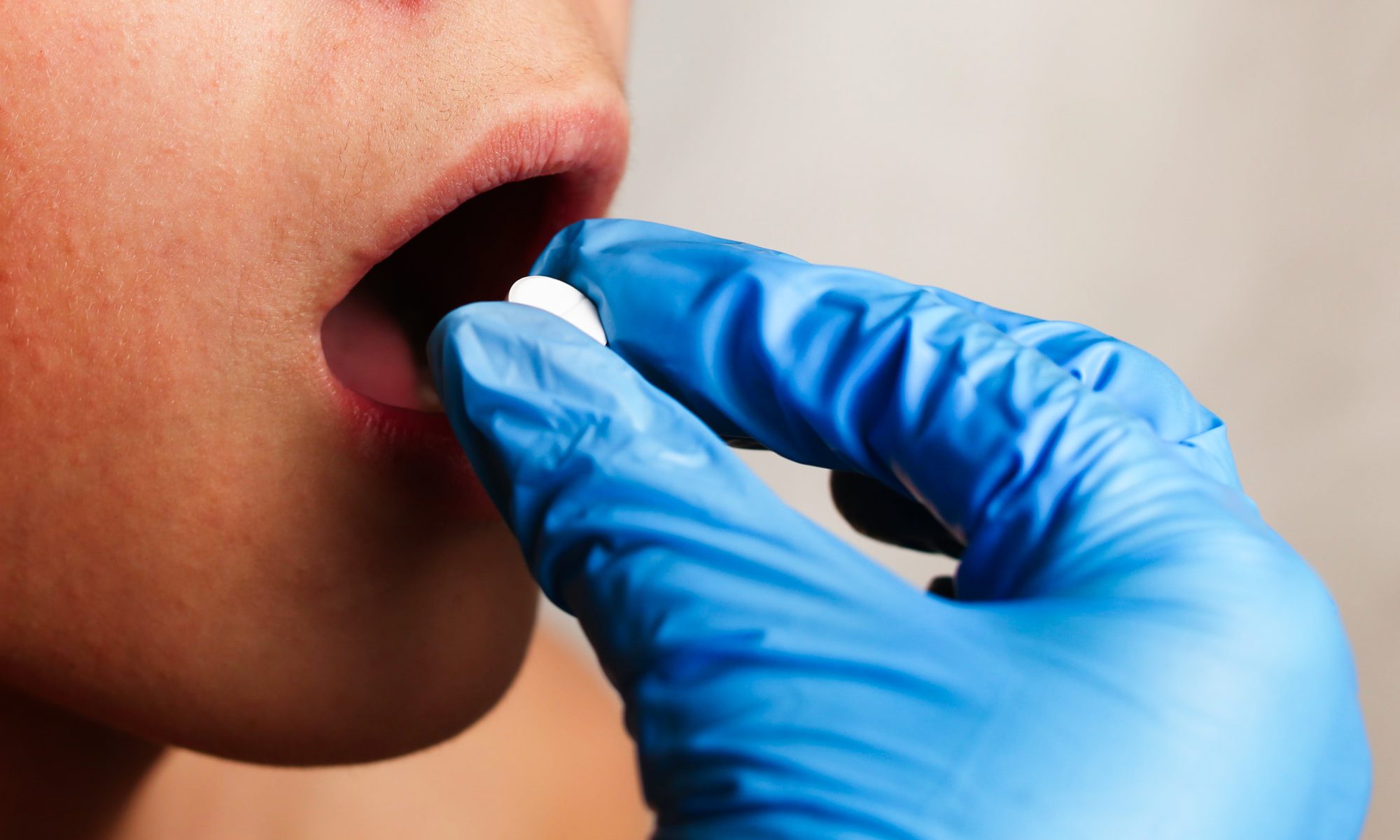
- Daily oral dosing is intended to provide sustained drug exposure and greater convenience than the intravenous schedules studied to date.
- Patent allowance is not final patent issuance, regulatory approval or evidence that the oral formulation improves clinical outcomes.
Actuate Therapeutics (NASDAQ: ACTU) has advanced intellectual property protection for its elraglusib oral formulation as it prepares for clinical testing.
The Notice of Allowance concerns U.S. Patent Application No. 19/669,218, titled “Oral Dosage Forms of Elraglusib.” The allowed claims cover tablet compositions, including the optimized formulation developed for the planned trial.
Oral Formulation Targets Sustained Exposure
Elraglusib has previously been administered intravenously on weekly or twice-weekly schedules in studies involving refractory and resistant adult and pediatric cancers.
Actuate is developing the tablet to enable convenient daily dosing and potentially maintain plasma drug levels associated with biological activity. The company cites preclinical and clinical exposure-effect analyses linking threshold concentrations with clinical benefit, tumor-growth inhibition and reductions in tumor size.
Those observations provide a rationale for testing sustained exposure. They do not establish that the oral tablet will achieve the intended concentrations safely or deliver better outcomes than intravenous treatment.
Immune Effects Form Part of the Development Rationale
Actuate describes sustained elraglusib exposure as potentially affecting both tumor cells and the surrounding immune environment.
The effects outlined include increased recruitment of CD8+ T cells and natural killer cells, reduced immune-suppressive features, and changes intended to support an antitumor immune response.
These proposed advantages remain part of the rationale for development. The supplied information does not report clinical results from the optimized oral tablet.
Phase 1/2 Study Is Planned for Early 2027
The planned trial will evaluate:
- Safety and tolerability.
- Pharmacokinetics, including drug exposure over time.
- Initial evidence of antitumor activity in patients with advanced cancer.
Actuate sees potential applications in monotherapy, combination treatment and maintenance therapy. These are development opportunities rather than established uses.
No enrollment target, specific cancer cohorts or data-readout date were provided.
Patent Allowance Advances Protection, but Issuance Remains Pending
The application has received a Notice of Allowance, with patent issuance expected after customary USPTO procedures are completed.
The supplied information does not specify an expiration date or quantify the commercial value of the allowed claims. The protection concerns oral dosage-form compositions and should not be interpreted as blanket exclusivity over all GSK-3β inhibitors or cancer-treatment approaches.
Investor Takeaway: Intellectual Property Progress Ahead of Clinical Validation
For ACTU investors, the development supports the company’s strategy of adding an oral formulation to its elraglusib program.
The next substantive test is whether the tablet can provide acceptable safety, sustained exposure and early antitumor activity in patients. The planned first-quarter 2027 trial start remains a future milestone, while the patent allowance strengthens the formulation’s intellectual property position without resolving those clinical questions.












