Atlas Critical Minerals Achieves Strong Metallurgical Recoveries at Alto do Paranaíba, Boosting Rare Earths Portfolio Potential
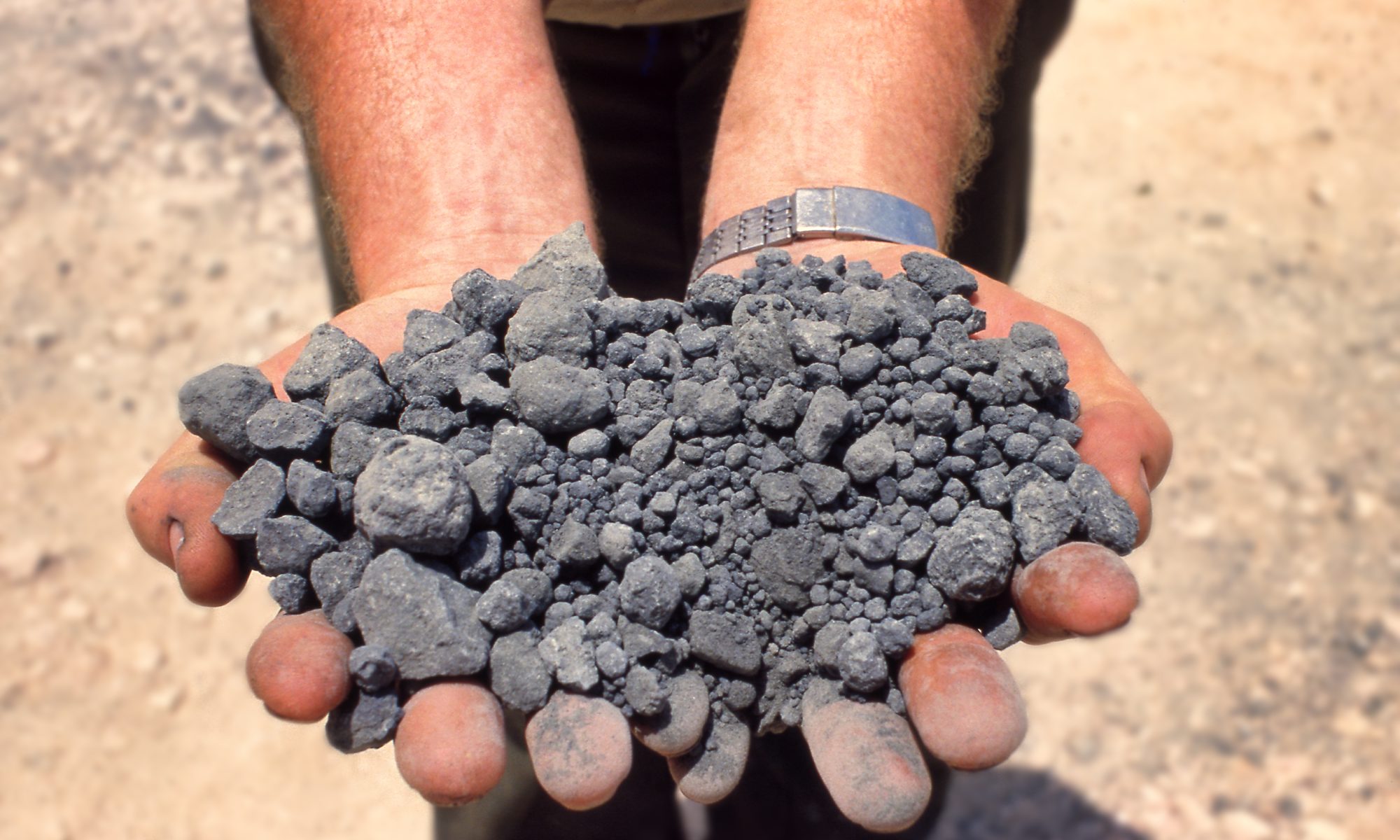
Atlas Critical Minerals Corporation (NASDAQ: ATCX) has reported robust metallurgical recovery results from its 100%-owned Alto do Paranaíba Rare Earths Project in Minas Gerais, Brazil, marking an important technical milestone as the company advances the asset toward development. The results highlight the effectiveness of Atlas’s proprietary Altilium Ti/REE Process™ and materially improve the project’s economic and strategic profile in a market increasingly focused on secure, non-Chinese rare earth supply.
Metallurgical Results Support Favorable Project Economics
Independent metallurgical testwork conducted by SGS Canada Inc. evaluated both direct acid leaching and thermally pre-treated material. The contrast between the two approaches underscores the value of process optimization and confirms that Alto do Paranaíba responds particularly well to the Altilium flowsheet. When thermal pre-treatment was applied prior to leaching, recoveries increased substantially across all rare earth categories, including those most critical to permanent magnet applications.
Under optimized conditions, Atlas achieved 97.0% recovery of magnetic rare earth elements, 95.2% recovery of light rare earth elements, and 93.8% recovery of total rare earths plus yttrium, with heavy rare earth recoveries reaching 83.9%. In addition to strong rare earth performance, titanium dioxide grades in the leach residue increased from 13.4% to 26.0%, with approximately 97% of the mass retained, highlighting the potential for a meaningful titanium coproduct. By comparison, direct acid leaching without thermal pre-treatment delivered significantly lower recoveries in the ~57–63% range, reinforcing the importance of Atlas’s proprietary processing approach for future commercial operations.
From an investor perspective, these recovery rates are particularly notable for their strength in magnetic rare earths, including neodymium and praseodymium, which are essential inputs for electric vehicles, wind turbines, and advanced defense systems. High recoveries at this stage reduce downstream technical risk and enhance the project’s potential to support competitive cost structures as it moves toward feasibility-level studies.
Geology and Grade Profile Reinforce Technical Results
The metallurgical success is supported by encouraging geological data from early-stage drilling and surface sampling. Near-surface auger drilling and grab samples have confirmed high-grade mineralization and continuity across multiple target areas at Alto do Paranaíba.
Select intercepts include 12 meters averaging 5,961 ppm TREO, with 1,690 ppm MREO and 13.3% TiO₂, while surface samples returned grades as high as 28,870 ppm TREO, 7,493 ppm MREO, and 16.5% TiO₂. These grades compare favorably with many early-stage rare earth projects globally and provide a solid foundation for future resource definition and economic modeling.
Strategic Positioning Within a Diversified Critical Minerals Portfolio
Strategically, Alto do Paranaíba fits into Atlas Critical Minerals’ broader effort to build a diversified portfolio of critical mineral assets in Brazil, spanning rare earths, titanium, nuclear-grade graphite, uranium, copper, nickel, and iron ore. Within the company’s rare earths strategy, the project complements Atlas’s Iporá Ionic Clay Rare Earths Project, where previous metallurgical work has demonstrated attractive recoveries under simpler leaching conditions.
Exposure to multiple rare earth deposit styles and processing routes adds flexibility and reduces single-asset risk as the company advances toward development, while Brazil’s growing role in Western-aligned supply chains enhances the strategic relevance of Atlas’s asset base.
Outlook and Investor Considerations
Global demand for permanent magnet rare earths continues to accelerate, driven by electrification, renewable energy deployment, and defense modernization. Against this backdrop, Alto do Paranaíba’s combination of high recoveries, encouraging grades, titanium coproduct potential, and favorable jurisdictional dynamics strengthens its investment profile.
Near-term value catalysts for Atlas include continued metallurgical optimization and scale-up testing, expanded drilling to support resource definition, and the initiation of economic and feasibility studies. Successful execution across these milestones could materially improve project visibility and support future strategic partnerships, offtake discussions, or financing initiatives.
Overall, Atlas Critical Minerals’ latest metallurgical update represents a meaningful technical de-risking event. The company has demonstrated that Alto do Paranaíba is not only geologically compelling, but also technically responsive to advanced processing methods — a critical step in converting exploration-stage success into long-term shareholder value.