Biomea Fusion Advances Icovamenib Into Obesity as First Patient Is Dosed in Semaglutide Combination Study
Key Points
- Biomea Fusion dosed the first participant in a new arm of the OPAL platform trial evaluating its oral small molecule icovamenib alongside low-dose semaglutide in overweight and obese adults.
- The randomized, double-blind study will enroll 64 participants to test whether adding icovamenib improves weight loss, body composition, muscle preservation, and physical function beyond semaglutide alone.
- The trial is run in partnership with the University of Leicester and the Leicester Diabetes Centre, adding independent academic and clinical credibility to Biomea’s obesity data package.
- Preclinical data cited by the company showed icovamenib enhanced semaglutide’s efficacy, driving greater fat loss while helping preserve lean muscle mass — a differentiation point in the crowded GLP-1 field.
- The announcement follows first-patient dosing in two Phase II diabetes studies earlier this year, underscoring a broadening pipeline built around icovamenib’s menin-inhibition mechanism.
Trial Expands Icovamenib’s Addressable Market Beyond Diabetes
Biomea Fusion, Inc. (Nasdaq: BMEA) is moving its lead candidate, icovamenib, into obesity, dosing the first participant in a newly activated arm of the OPAL platform study. The trial pairs icovamenib with low-dose semaglutide, the active ingredient behind Novo Nordisk’s Ozempic and Wegovy, positioning Biomea’s asset as a potential add-on therapy rather than a standalone competitor in the GLP-1 market.
For a clinical-stage company built around a single core mechanism — reversible menin inhibition — the move into obesity broadens the commercial thesis beyond diabetes alone. Icovamenib is already in Phase II development for type 1 and type 2 diabetes; the new OPAL arm tests whether the same biology translates into measurable benefits for weight-loss patients.
Study Design Targets Quality of Weight Loss, Not Just Quantity
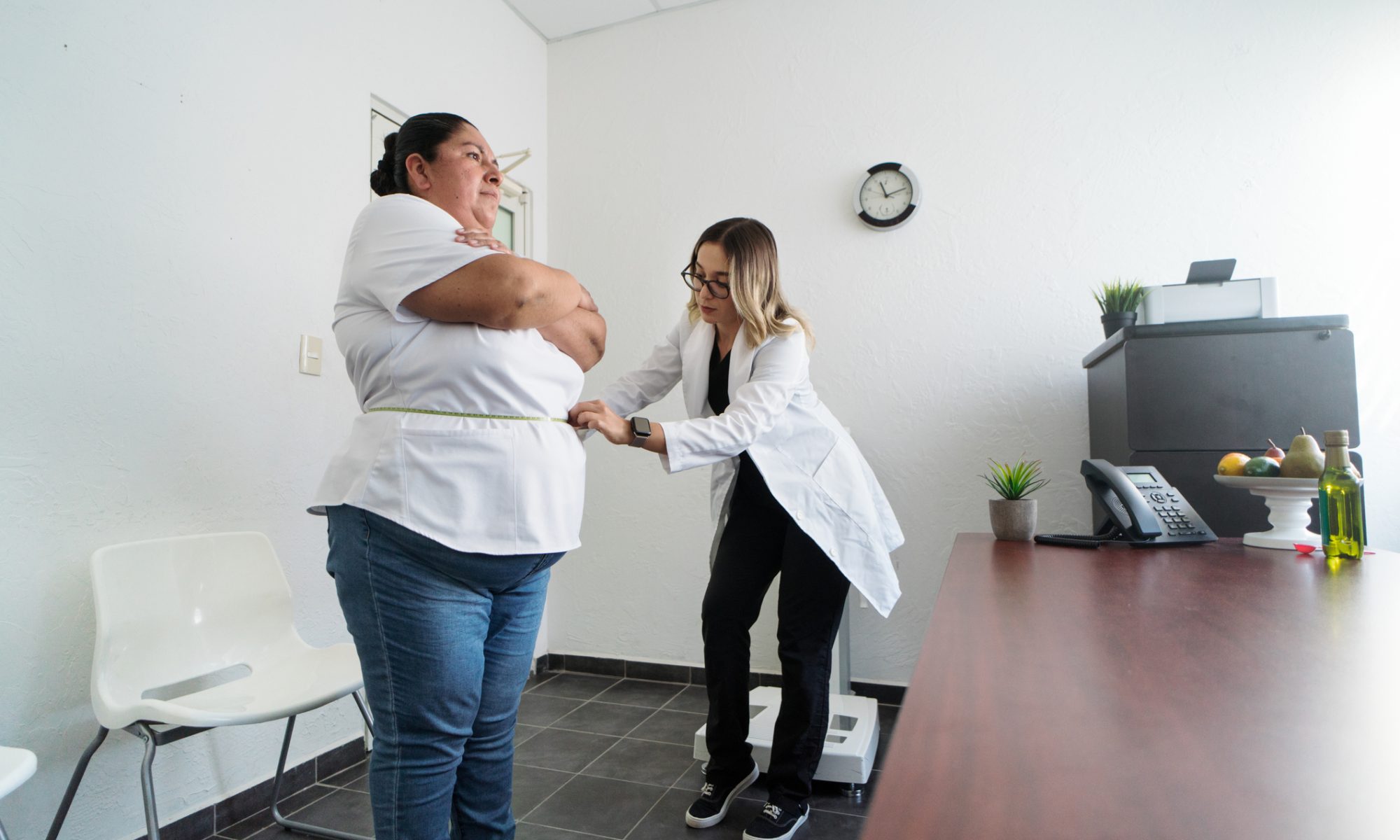
The randomized, double-blind study arm will enroll 64 overweight or obese adults without type 2 diabetes, split 1:1 between icovamenib plus low-dose semaglutide and semaglutide alone, with a primary endpoint at Week 24. Rather than measuring weight loss in isolation, the trial tracks physical function, body composition, and muscle health — a response to a well-documented limitation of GLP-1 therapies, which can reduce lean mass alongside fat.
That framing matters commercially. As the GLP-1 category matures, differentiation is shifting from raw weight-loss percentage toward the composition of that weight loss. A therapy shown to preserve muscle while enhancing fat loss would address a gap increasingly discussed by prescribers and payers alike.
Academic Partnership Adds Independent Validation
The study is conducted in collaboration with the University of Leicester and the Leicester Diabetes Centre, led by Professor Dame Melanie Davies and Professor Thomas Yates, and supported by the NIHR Biomedical Research Centre Leicester. For a company of Biomea’s size, an externally run, adaptive platform trial at a recognized European academic center lends third-party rigor to the data set and spreads execution risk beyond the company’s own clinical operations.
Preclinical Rationale Underpins the Combination Approach
Biomea has cited preclinical work showing icovamenib enhanced semaglutide’s effect, producing greater fat-driven weight reduction while preserving lean mass. The company also points to icovamenib’s observed effects on GLP-1 receptor expression, myogenesis, and adipose tissue metabolism as mechanistic support. As with any preclinical-to-clinical translation, these findings are directional rather than confirmatory — the OPAL data will be the first human read on whether the combination holds up.
Investor Takeaway
First-patient dosing is an operational milestone, not a data event — it de-risks trial execution but says nothing yet about efficacy or safety. The more consequential signal is strategic: Biomea is positioning icovamenib as a complementary asset to existing GLP-1 franchises rather than a head-on competitor, a lower-capital path into a large and growing obesity market. That approach could support a partnership or licensing narrative down the line, but it remains contingent on data Biomea does not yet have.
As with most clinical-stage biopharmaceutical companies, BMEA shares carry the volatility, liquidity constraints, and binary risk profile typical of pre-revenue, event-driven names. Investors should weigh the obesity opportunity against the company’s early-stage fundamentals and the standard risks of clinical development, including trial delays, enrollment timelines, and the possibility that preclinical benefits do not replicate in humans.
Investor Items to Watch
- Enrollment pace and timing toward the Week 24 primary endpoint readout for the OPAL combination arm
- Interim or topline data on weight loss, body composition, and muscle preservation versus semaglutide alone
- Parallel progress in Biomea’s Phase II diabetes trials (COVALENT-211 and COVALENT-212), with initial readouts targeted before year-end
- Any signal of partnership, licensing, or collaboration interest from GLP-1 incumbents given icovamenib’s combination positioning
- Cash runway and capital needs as the company advances multiple concurrent clinical programs
Biomea Fusion has not disclosed projected timelines for full enrollment, additional financial terms, or guidance tied to the OPAL study beyond the Week 24 primary endpoint assessment.