Galaxy’s Novogratz Endorses Karp’s AI Data Warning as Galaxy Completes Helios Phase I Delivery to CoreWeave
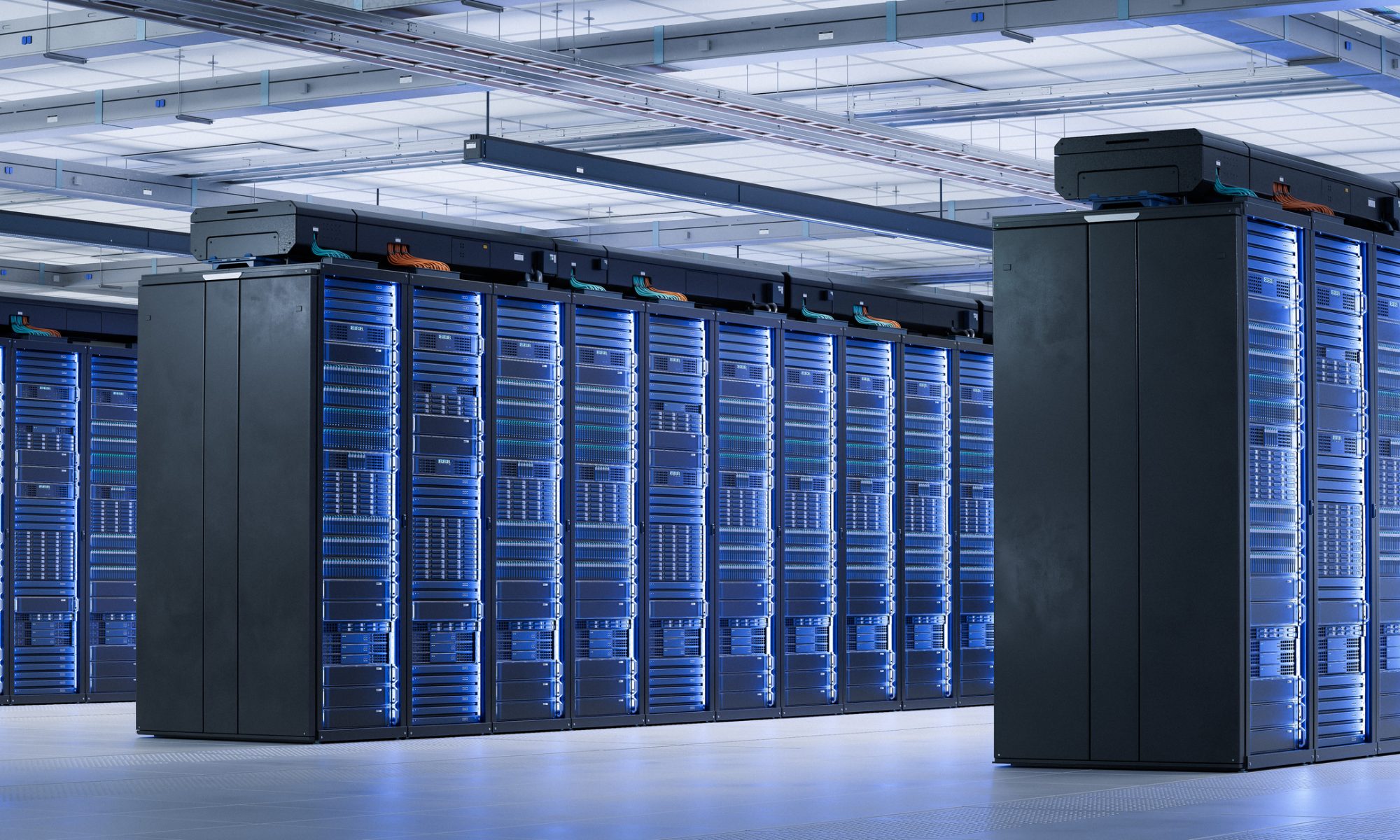
Galaxy Digital Inc. (NASDAQ: GLXY), a digital assets and data center infrastructure company, completed delivery of Phase I of its Helios campus on July 6, 2026, handing CoreWeave 133 MW of critical IT load under a 15-year lease. That same weekend, founder and CEO Mike Novogratz endorsed Palantir (NASDAQ: PLTR) CEO Alex Karp’s CNBC critique of AI data practices as one of the most honest things he’d seen on television, warning that AI companies are quietly commoditizing the humans who feed them.
Helios Phase I Turns Construction Into Revenue
Galaxy completed Phase I on budget and on schedule, with rent commencement under the CoreWeave lease beginning in Q2 2026. Phase I delivers 133 MW of critical IT load across 200 MW of gross power. It is projected to generate approximately $4.5 billion in lease payments over 15 years, or roughly $300 million annually. CoreWeave has committed to 526 MW across Phases I through III, and Galaxy is already advancing greenfield construction on the 260 MW Phase II build, with data hall deliveries targeted for 2027. The 2,200-acre Dickens County campus holds 1.63 GW of ERCOT-approved capacity and targets up to 3.6 GW at full buildout. Novogratz has described Galaxy as “half a data-center company and half a digital-assets company,” a framing designed to signal that performance is beginning to decouple from crypto price cycles.
Novogratz Amplifies Karp’s Warning From Inside the AI Supply Chain
On the SALT podcast, Novogratz called Karp’s July 1 CNBC interview “probably among the most honest things I’ve seen on television in a very long time.” On CNBC, Karp had argued that enterprises pay per-token fees for AI outputs while surrendering the proprietary data and competitive alpha embedded in every query. Palantir shares jumped more than 9% on the day. Novogratz extended the critique further: AI companies are absorbing vast amounts of personal and corporate data, and the result will be some sort of human commoditization. The observation is notable coming from someone building the physical infrastructure AI runs on rather than a model vendor or enterprise software company.
Sovereign AI Demand Strengthens the Case for Physical Infrastructure
Karp’s argument—that enterprises will increasingly demand AI on infrastructure they control rather than renting it through token-metered APIs—has direct implications for companies like Galaxy. Sovereign AI architectures favor purpose-built, hyperscale campuses with guaranteed power and long-term lease structures. Chamath Palihapitiya’s firm 8090 found open-source models on private infrastructure to be 16.4 times cheaper than frontier API calls for real enterprise workloads. As that economics case spreads, the value of owning the physical layer grows. Galaxy’s 526 MW CoreWeave anchor lease positions it squarely in that supply chain, and the company is evaluating a second campus near Waco to extend the Helios playbook.
Strategic Investment Summary
- Phase I Complete: Galaxy Digital (NASDAQ: GLXY) delivered 133 MW of critical IT load to CoreWeave on July 6, 2026, with rent commencing under the 15-year lease in Q2 2026 and Phase I projected to generate approximately $300 million annually.
- CoreWeave Commitment: CoreWeave has committed to 526 MW across Phases I–III; Phase II greenfield construction is underway with data hall deliveries targeted for 2027.
- Helios Scale: The 2,200-acre West Texas campus holds 1.63 GW of ERCOT-approved capacity, targeting up to 3.6 GW at full buildout, funded by a $1.4 billion project financing facility.
- Novogratz on Karp: Novogratz called Karp’s July 1 CNBC interview one of the most honest things he had seen on television, endorsing the warning that token-based AI pricing commoditizes enterprise IP and, ultimately, people.
- Palantir’s Argument: Palantir CEO Alex Karp (NASDAQ: PLTR) argued that enterprises pay token fees while surrendering competitive alpha to AI labs—sending Palantir shares up more than 9% on the day of the interview.
- Sovereign AI Tailwind: Enterprise demand for data-sovereign AI infrastructure favors dedicated hyperscale campuses; open-source models on private infrastructure are 16.4x cheaper than frontier API calls, supporting long-term demand for the Helios model.
Find out more about the latest corporate developments and financial reports at the Galaxy Digital investor portal.