


How an FDA Breakthrough Device Designation Could Transform Coronary Care
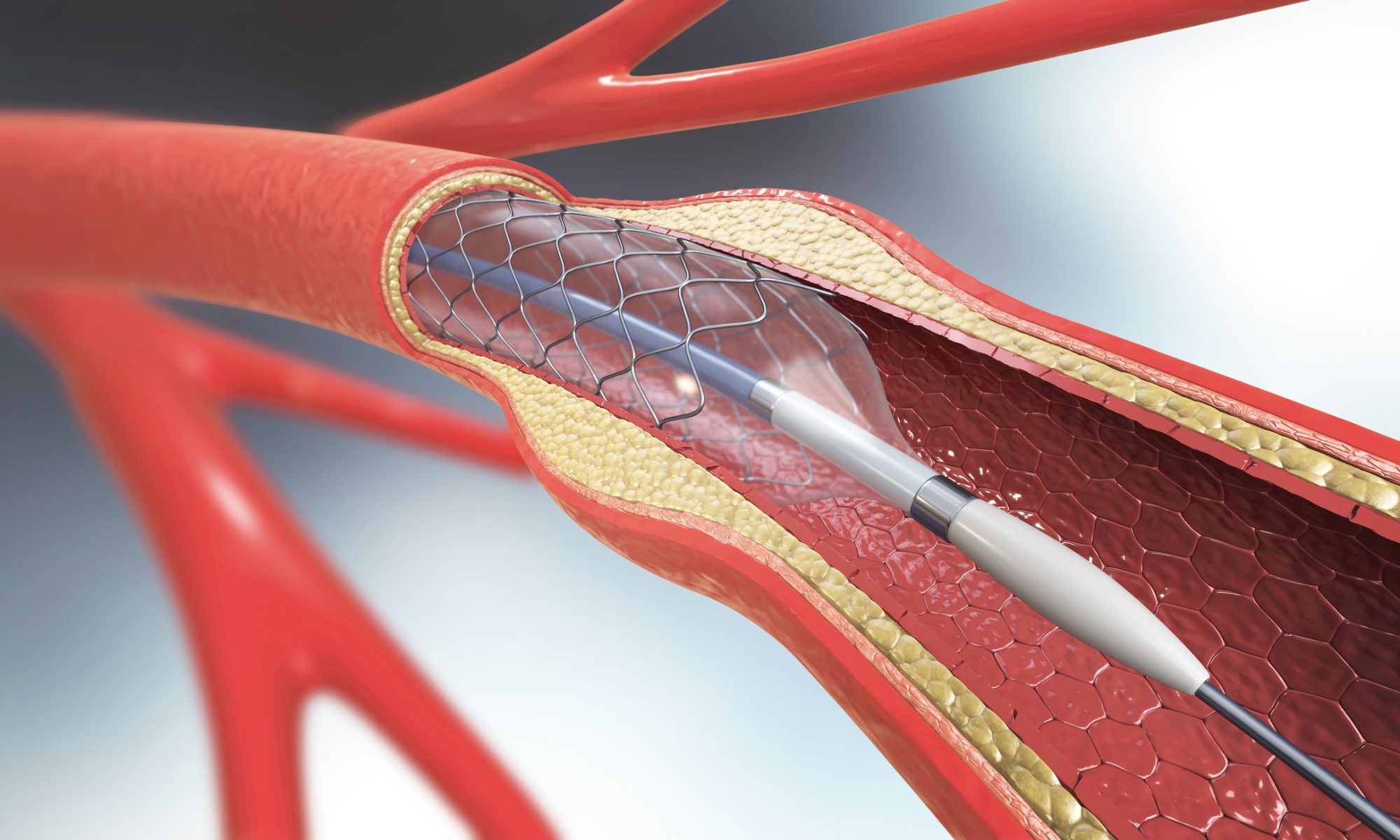
A recent Breakthrough Device Designation from the U.S. Food and Drug Administration (FDA) highlights a medical device with the potential to significantly change coronary care by enabling faster, more accurate identification and treatment of coronary artery disease (CAD). The designation was created to expedite development and review of technologies that offer substantial improvement over current standards for life-threatening conditions, and coronary disease remains a leading cause of morbidity and mortality worldwide.
The device that received the designation — designed to provide real-time physiological assessment of coronary lesions — aims to help clinicians more precisely determine which blockages require intervention. Traditional diagnostic methods, like angiography or pressure-based fractional flow reserve (FFR), involve indirect measurements or additional invasive steps. The newly designated system promises same-procedure assessment without workflow disruption, potentially reducing procedure time and improving treatment decisions.
For patients, the technology could mean faster diagnosis, fewer unnecessary stents, and better personalized care — outcomes that align with broader industry goals of improving quality while lowering costs. For physicians, a streamlined tool that integrates seamlessly into existing catheterization lab workflows could enhance clinical confidence and operational efficiency.
Why Breakthrough Device Designation Matters
The FDA’s Breakthrough Device program accelerates regulatory engagement through early and frequent interaction with the agency. It allows developers to work closely with the FDA on trial design and data requirements and may support expedited review timelines. For investors, a designation of this kind de-risks the regulatory pathway and signals confidence in the device’s clinical differentiation and potential impact.
Strategic Implications for the Coronary Device Market
The coronary intervention market — which includes stents, imaging systems, and physiologic assessment tools — is both large and highly competitive. Incremental improvements are common, but breakthrough technologies that improve clinical outcomes or streamline workflows can capture significant share and justify premium pricing. A device that reduces unnecessary interventions while guiding more targeted therapy could gain traction among hospitals and physicians focused on both outcomes and cost containment.
For companies developing such devices, Breakthrough Device status can enhance visibility with potential partners, payers, and acquirers, while helping to attract capital and accelerate adoption. Market success will depend on favorable clinical data, reimbursement support, and integration into established care pathways.












