


Inspire IV and V Gain 3T MRI Approval, De-Risking the Sleep Apnea Bet
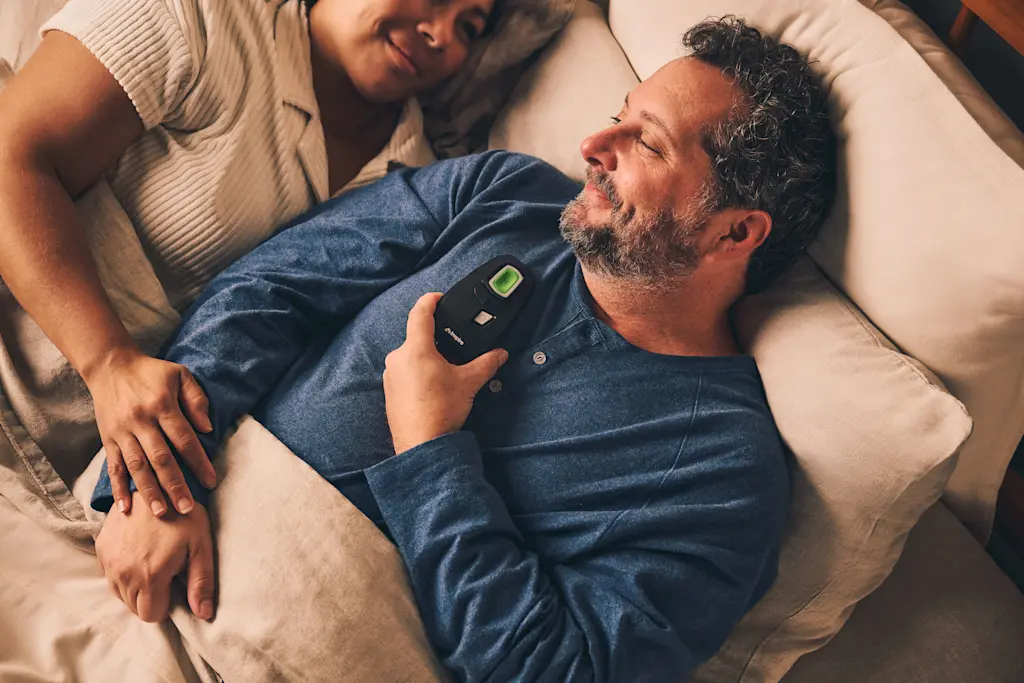
Inspire Medical Systems Inc. (NYSE: INSP) just removed a key friction point in its obstructive sleep apnea (OSA) story, winning expanded FDA approval that allows 3.0 Tesla (3T) MRI use with its Inspire IV and Inspire V neuromodulation systems under specified conditions. This builds on prior 1.5T full‑body MRI labeling and strengthens the case for Inspire therapy as a mainstream, long‑duration solution rather than a niche, last‑line implant.
Expanded MRI approval and why it matters
The FDA decision means patients implanted with Inspire IV or Inspire V can now undergo high‑resolution 3T MRI scans—one of the most powerful and commonly used imaging modalities in hospitals—for critical areas such as the brain, spine, joints, and prostate, as long as they follow defined scanning conditions. This is especially important in OSA, where patients are often older, have multiple comorbidities, and are more likely to need advanced imaging over their lifetime, making MRI compatibility a real‑world gating factor for both patients and referring physicians.
By moving from earlier 1.5T compatibility (granted in 2022) to 3T MRI access, Inspire narrows a practical objection versus non‑implant therapies like CPAP: clinicians no longer need to weigh future MRI limitations as heavily when considering an Inspire implant, which should improve physician comfort, referral patterns, and long‑term confidence in the platform.
Product positioning: Inspire IV and Inspire V
Inspire therapy uses a pacemaker‑like implant that delivers mild electrical stimulation to the hypoglossal nerve, moving the tongue forward during sleep to keep the airway open and reduce apnea events. The system first gained FDA approval in 2014 and has iterated through multiple generations, culminating in today’s Inspire IV and next‑generation Inspire V systems.
Inspire V, launched in the U.S. last year, features a new neurostimulator, Bluetooth‑enabled patient remote and physician programmer, and a closed‑loop internal sensing feature that eliminates the need for a pressure‑sensing lead—reducing procedural complexity and hardware burden. With 3T MRI compatibility now extending to both Inspire IV and V, the company’s active portfolio looks better aligned with real‑world imaging needs for an aging, comorbid OSA population.
Strategic and investor implications for INSP
For investors, the 3T MRI label expansion is not a step‑change revenue event on its own, but it does de‑risk and extend the adoption curve for Inspire therapy. Expanded MRI access:
- Makes the device more attractive to patients and clinicians who were hesitant about long‑term imaging constraints.
- Supports payer and guideline confidence by addressing a common safety and practicality concern.
- Enhances the durability of the franchise as Inspire pursues deeper penetration in moderate‑to‑severe OSA.
The focus now is on execution: how quickly Inspire can educate sleep specialists, ENTs, radiologists, and hospital systems on the new 3T MRI labeling—and whether this translates into higher implant volumes, faster time‑to‑implant, and sustained procedure growth. Combined with the technical and usability upgrades in Inspire V, the MRI win strengthens the bull case that INSP remains the category leader in device‑based sleep apnea treatment with a long runway for penetration into CPAP‑intolerant and CPAP‑failure populations.












