Judge Cracks Trump’s Clean‑Energy Blockade, Reopening the Pipeline for U.S. Wind and Solar
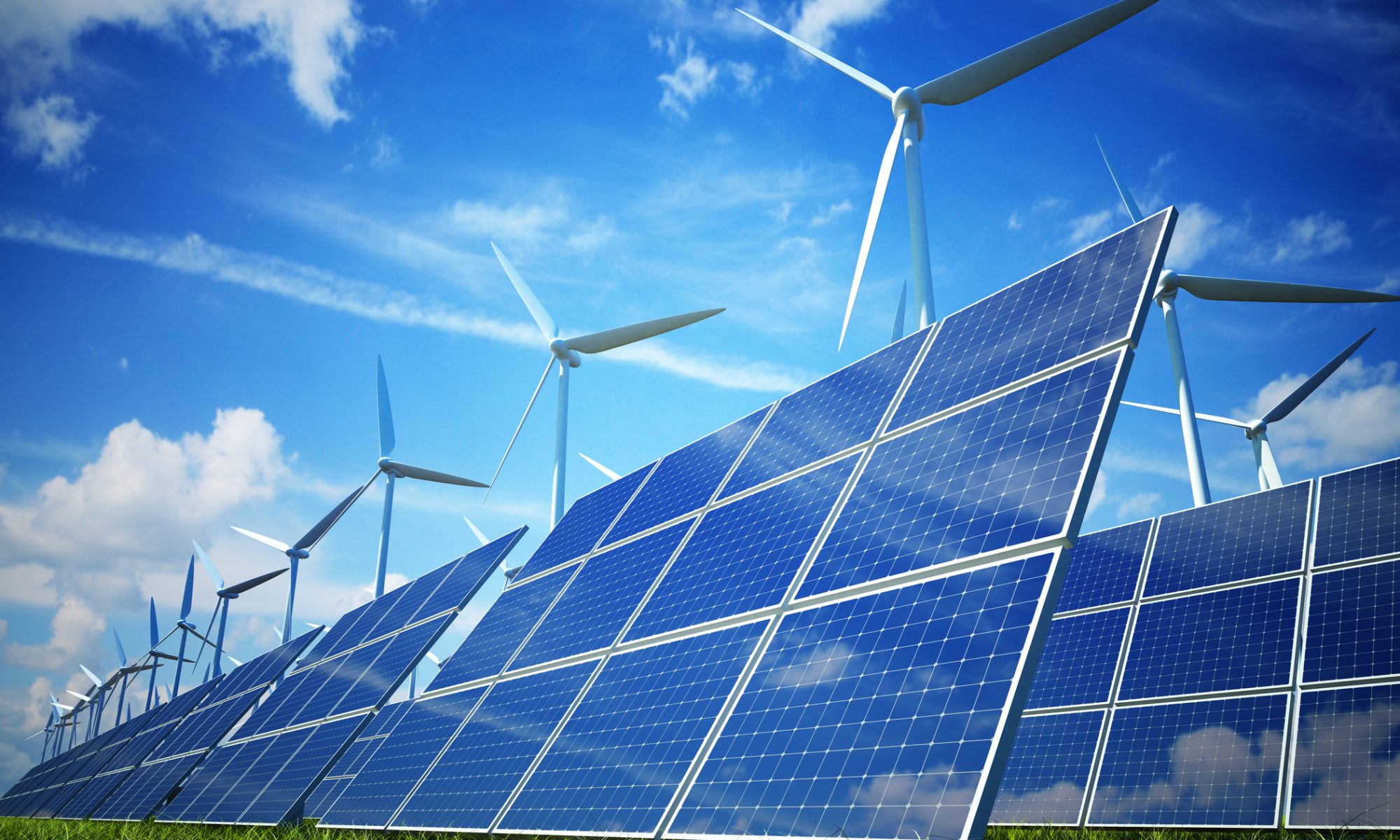
A federal judge has temporarily lifted a suite of Trump‑era permitting rules that had been throttling new U.S. wind and solar projects on federal lands and offshore. The decision removes a key procedural choke point and could unlock a backlog of capacity that had been delayed into the 2030s or at risk of cancellation.
What changed in permitting
The ruling blocks Interior Department actions that forced multiple stages of wind and solar approvals to be routed through top political appointees rather than using a standard agency review process. That centralized structure had created a slow, opaque bottleneck, with clean‑energy projects facing extra scrutiny and longer timelines than many fossil‑fuel developments. By suspending those requirements, the court effectively restores a more conventional permitting pathway, where decisions can be made at appropriate levels within the agencies. For developers, that translates into clearer visibility on timelines, fewer unpredictable political delays, and a better ability to plan around tax‑credit deadlines, financing windows, and grid‑interconnection milestones.
Why it matters for build‑out
For the sector, this is more than a procedural tweak. Many gigawatts of wind and solar—particularly projects on federal land and offshore—had been slowed, re‑sequenced, or shelved under the stricter regime. Easing that bottleneck gives these projects a realistic path to advance again, improving the odds that planned capacity actually reaches construction. It also sends a broader policy signal: if the U.S. expects to meet climate and grid‑decarbonization goals, federal permitting can’t systematically treat wind and solar as second‑class resources. A more level playing field helps de‑risk large capital commitments from developers, turbine and panel manufacturers, and infrastructure and yield‑type investors who need regulatory stability to keep funding new projects at scale.
Public companies with meaningful exposure
Several large, publicly traded companies are positioned to benefit from a less hostile federal permitting environment for renewables:
- NextEra Energy (NEE) – One of the largest U.S. wind and solar developers, with a deep pipeline that depends on predictable federal processes for projects on public lands and major grid interconnections.
- AES Corp. (AES) – A major renewables and storage developer whose U.S. growth strategy leans heavily on utility‑scale solar and wind that can be slowed or accelerated by federal permitting rules.
- Engie (ENGIY) – Through Engie North America, develops large U.S. wind, solar, and storage projects; fewer federal bottlenecks increase the probability that its planned capacity reaches notice‑to‑proceed and construction.
- Ørsted (DNNGY) – A leading offshore wind developer whose U.S. projects are highly sensitive to federal approvals; a friendlier permitting landscape directly supports its offshore pipeline.
- Avangrid (AGR) and Iberdrola (IBDRY) – Active in both onshore and offshore wind across the U.S., with multiple projects reliant on federal sign‑offs that had been exposed to Trump‑era slow‑
Investor takeaway
For investors in these names, the ruling doesn’t guarantee that specific projects will be approved, but it does remove a structural bias that had been slowing or sidelining a meaningful slice of the U.S. pipeline. That reduction in policy and timeline risk improves the backdrop for capital deployment, PPA and offtake signings, and long‑term renewables growth across the listed clean‑energy space.