Kandi Steps Into AI Data Center Power with a Small Battery Deal
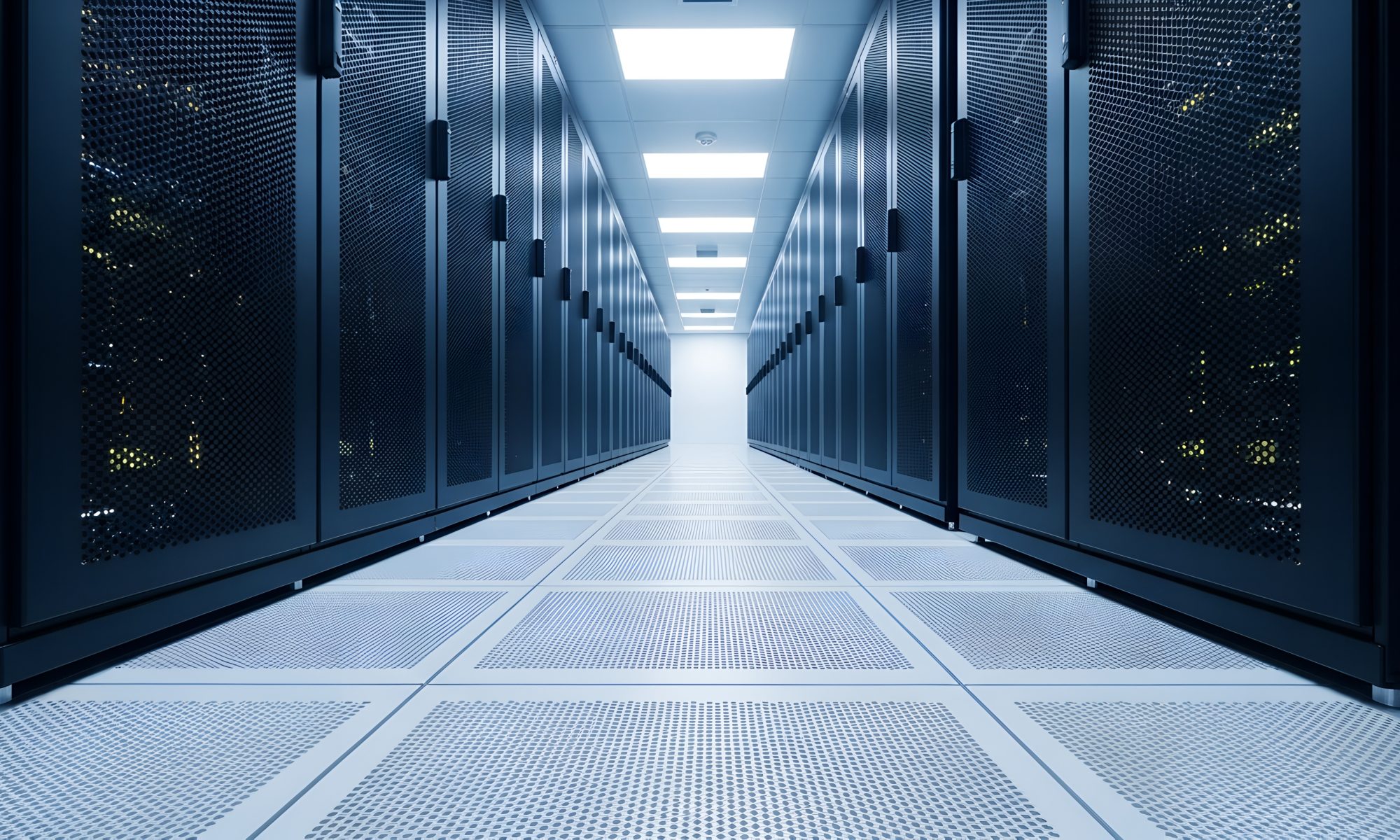
Kandi Technologies (Nasdaq: KNDI) sits in the PRISM Emerging EV Index. Best known for electric off-road vehicles, the company is now moving into a different market: backup power for AI data centers.
On June 29, Kandi agreed to buy a 51% stake in Hangzhou Xinchu New Energy for about $2.9 million. The deal is expected to close in July. Two days later, Xinchu was named an authorized distributor of Schneider Electric’s data center power products in China.
What Xinchu brings
Xinchu builds lithium battery backup systems and battery management software. Its customers are data centers and telecom sites. The cabinets are engineered for the sharp power swings of AI computing, with high-rate discharge and millisecond response. Under the Schneider deal, Xinchu can distribute APC and Schneider-branded power supplies, cooling, and racks. The company says it will pair those with its own batteries to sell complete systems.
The theme is real, the deal is small
The logic tracks a genuine shift. AI data centers draw enormous, uneven power. When the grid strains, operators need backup that responds in milliseconds. That demand is real. Kandi’s move is not large. It is paying $2.9 million for control of an early-stage supplier, and the distributor rights run for a single fiscal year through a Chinese entity. Chief Executive Feng Chen framed the market as structurally critical and poised for long-term expansion. That is the company’s characterization, not a result.
A weakening core
The push also arrives at a hard moment. Kandi’s main business is selling China-made off-road vehicles into the United States. In 2025, total revenue fell about 32% to $87 million, and the net loss widened to roughly $96 million. That business now faces new U.S. antidumping duties on low-speed vehicles from China. A U.S. subsidiary is appealing a $33 million court judgment. Kandi has chased other themes too, buying a U.S. electric motorcycle brand and launching robotics ventures.
The balance sheet gives it room to keep trying. At year end, Kandi held about $212 million in cash, deposits, and restricted cash, above its market value near $76 million. Much of that sits in China, and a large portion is restricted. The stock trades under $1, and Nasdaq warned the company in May that it sits below the exchange’s minimum bid price.
What matters next is execution. The test is whether Xinchu produces revenue that reaches Kandi’s results, and whether the AI data center push becomes a business rather than a series of announcements.
This is not investment advice. Micro-cap stocks like this carry extreme volatility, dilution risk, and thin trading. Do your own diligence.