Kratos and GE Aerospace Win U.S. Air Force Contract to Develop Engine for Next-Generation Combat Drones
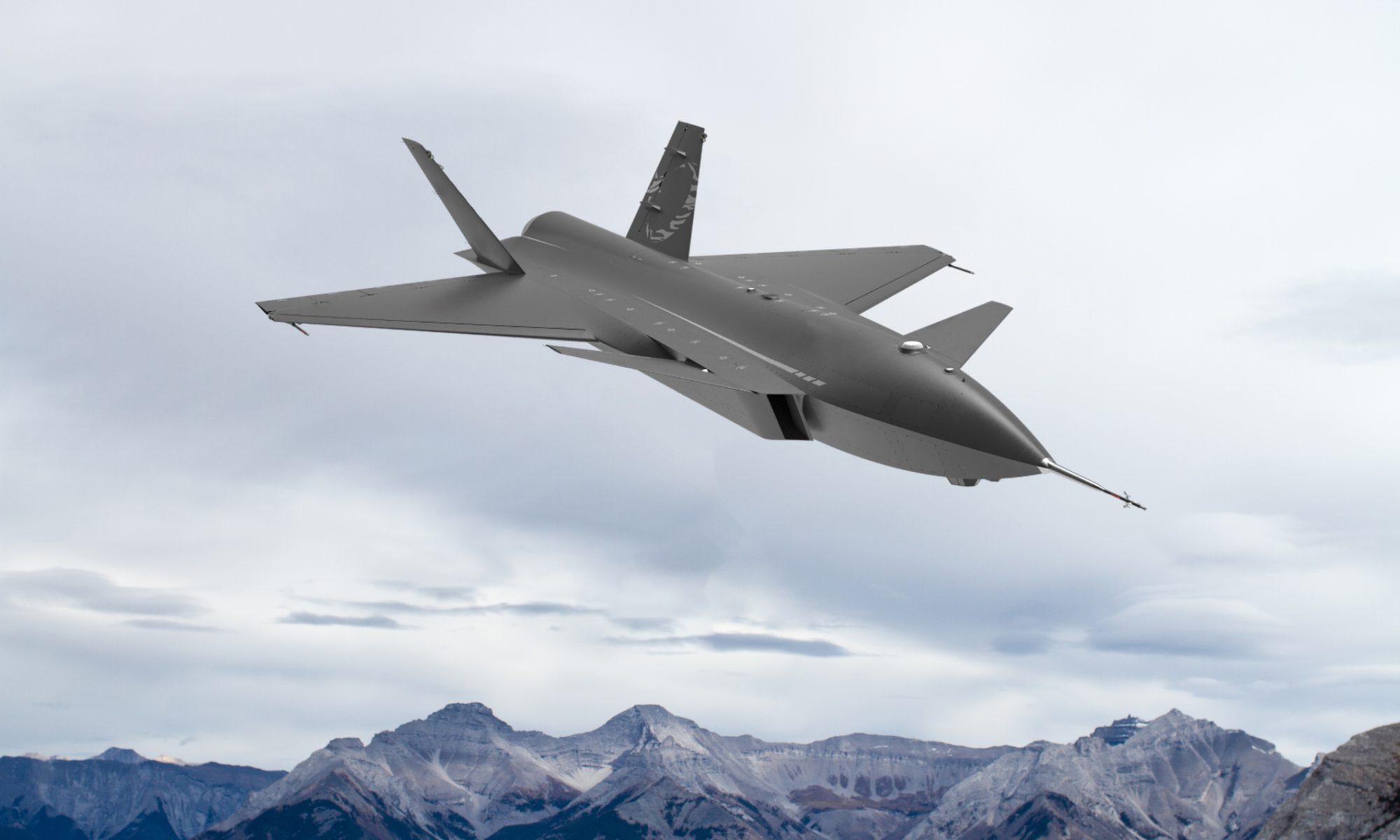
Kratos Defense & Security Solutions (NASDAQ: KTOS) and GE Aerospace (NYSE: GE) have been awarded a $12.4 million contract from the U.S. Air Force to design a new jet engine for Collaborative Combat Aircraft (CCA), an emerging class of autonomous military platforms. The award underscores the Pentagon’s accelerating focus on scalable, lower-cost unmanned aircraft designed to operate alongside traditional fighter jets.
New Engine Program Supports Scalable Autonomous Aircraft Deployment
The contract funds the preliminary design of the GEK1500 engine, a 1,500-pound-thrust propulsion system intended for use in unmanned aircraft and other expendable defense platforms. The engine builds on existing propulsion architecture, allowing for faster development while improving performance, efficiency, and production scalability.
Collaborative Combat Aircraft are expected to play a key role in future military operations. These systems can perform surveillance, electronic warfare, and tactical support missions, helping increase operational capacity while reducing risk to human pilots.
Partnership Combines Specialized Innovation and Global Manufacturing Strength
Kratos contributes deep expertise in affordable propulsion systems for drones and missile platforms, aligning with its strategy to deliver high-performance systems at lower cost. GE Aerospace brings decades of propulsion engineering experience and advanced manufacturing capabilities, supporting the efficient development and potential large-scale production of next-generation engines.
The collaboration strengthens both companies’ positions within the rapidly expanding defense autonomy sector, where cost-efficient propulsion is a critical enabling technology.
Investor Outlook: Autonomous Defense Programs Continue to Drive Growth Opportunities
The contract highlights growing U.S. defense investment in autonomous aircraft and advanced propulsion systems. As military priorities shift toward scalable unmanned platforms, companies involved in propulsion, autonomy, and defense manufacturing are positioned to benefit.
Continued program development and future production contracts could provide long-term revenue visibility, reinforcing the strategic importance of propulsion providers supporting next-generation collaborative combat aircraft.