Lightbridge Wins DOE Launch Pad Selection to Accelerate Commercial Nuclear Fuel Testing

Key Points
- Lightbridge was selected for the DOE Nuclear Energy Launch Pad, administered by the National Reactor Innovation Center at Idaho National Laboratory.
- The program could accelerate DOE authorization for a dedicated INL facility to produce Lightbridge Fuel lead test assemblies, or LTAs.
- LTAs are the final qualification step before potential commercial fuel sales and use in U.S. power reactors.
- The planned Special HALEU Extrusion Demonstration, or SHED, facility is intended to make Lightbridge’s first full-scale test assemblies.
- Lightbridge expects to finance SHED from existing cash and other current financial resources.
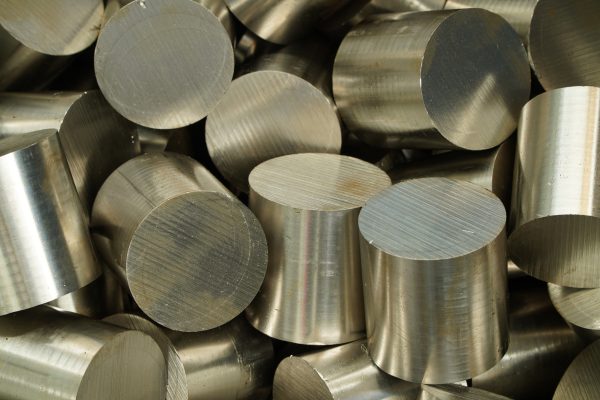
- The company’s fuel uses a uranium-zirconium alloy and is designed for existing and new water-cooled nuclear reactors.
Lightbridge Corporation (NASDAQ: LTBR) has been selected for the U.S. Department of Energy’s Nuclear Energy Launch Pad program at Idaho National Laboratory, creating an accelerated route toward authorization to manufacture full-scale lead test assemblies of its proprietary metallic nuclear fuel. The selection advances Lightbridge’s plan to move from irradiation testing toward commercial-reactor demonstrations and, ultimately, fuel sales.
DOE Launch Pad Program Creates a Faster Path to Full-Scale Nuclear Fuel Demonstration
The DOE’s Launch Pad program provides selected nuclear developers with technical, regulatory, and deployment support through INL’s National Reactor Innovation Center. Lightbridge’s selection gives the company an accelerated pathway to seek DOE authorization to design, build, and operate a dedicated facility at INL for manufacturing test fuel assemblies.inl+1
This is strategically important because lead test assemblies are full-scale fuel products intended for use and testing in commercial nuclear reactors. Successfully manufacturing and operating LTAs is a major bridge between laboratory testing and commercial fuel qualification.
SHED Facility Would Produce Lightbridge Fuel for Commercial Reactor Testing
Lightbridge plans to use a proposed Special HALEU Extrusion Demonstration facility, known as SHED, to manufacture its first lead test assemblies. The facility is expected to serve as a precursor to a larger commercial Lightbridge Expandable Fuel Facility, or LEFF.
The company said it expects to fund SHED using existing cash and financial resources. The plan follows a staged development approach: first, irradiation testing of fuel samples; next, LTA manufacturing and insertion in commercial reactors; and later, commercial-scale fuel fabrication.
Metallic Uranium-Zirconium Fuel Targets Higher Reactor Output and Longer Cycles
Lightbridge Fuel is a metallic uranium-zirconium alloy fuel design intended for existing light-water reactors, pressurized heavy-water reactors, and potential future water-cooled reactors. The company’s design uses helically twisted, multi-lobed fuel rods rather than conventional cylindrical fuel rods.
Lightbridge has said its fuel could potentially enable power uprates of up to 10% for existing reactors and potentially larger gains for certain new reactor designs. Those figures are design goals, not demonstrated commercial operating results. Achieving them will require successful fuel qualification, reactor testing, regulatory authorization, commercial agreements, and access to high-assay low-enriched uranium, or HALEU.
What LTBR Investors Should Watch Next
The Launch Pad selection is a meaningful de-risking step because it gives Lightbridge access to a DOE-supported route for progressing toward fuel-manufacturing authorization. It is not, however, a commercial reactor order, a completed regulatory approval, or guaranteed future revenue.
The next milestones for LTBR investors include post-irradiation examination of the company’s initial fuel samples, design and authorization progress for SHED, funding and construction updates, LTA manufacturing, agreements with reactor operators, commercial-reactor insertion, and future development of the larger LEFF facility. Lightbridge’s investment case will depend on its ability to move from promising fuel design and federal-program support to successful qualification and commercial deployment.