Lockheed Martin Awarded Massive $4.76 Billion Contract for GMLRS Production
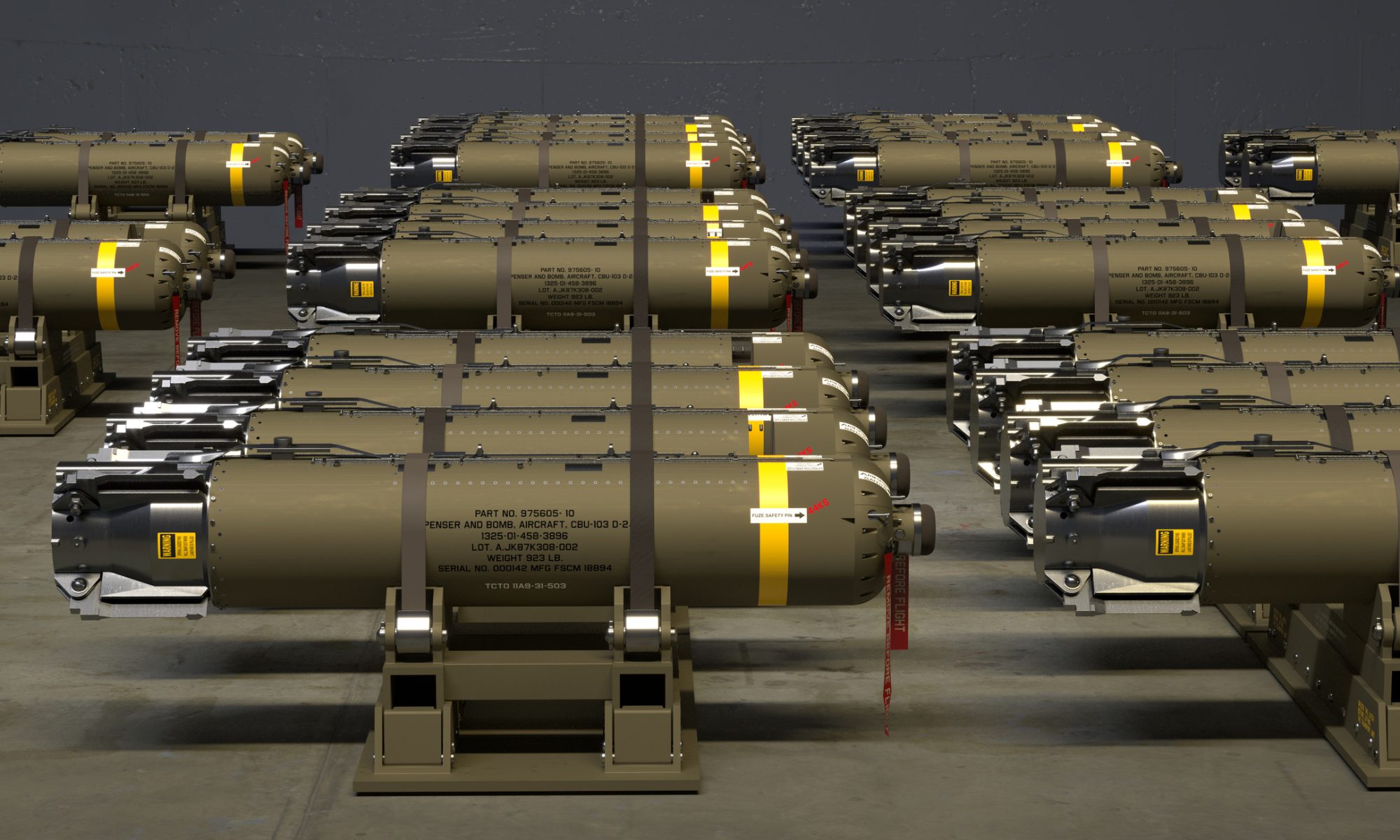
Lockheed Martin (NYSE: LMT) has officially secured a major $4.76 billion contract from the U.S. Army for missile production. This significant agreement focuses on the manufacturing of Guided Multiple Launch Rocket Systems (GMLRS) for domestic and international use. The deal reinforces the company’s status as a primary partner for global defense infrastructure. Analysts view this award as a key driver for the firm’s Missiles and Fire Control segment.
Expanding the Production of Guided Missile Systems
The GMLRS is a critical component of modern artillery capabilities. Specifically, these rockets provide highly accurate, long-range fire support for ground forces. The U.S. Army continues to prioritize the procurement of these systems to maintain battlefield superiority. In addition to domestic requirements, the rockets are frequently exported to key global allies. This massive contract ensures that production lines remain active at full capacity for several years. The deal covers both the rockets and associated logistical support services. High demand from international partners has put pressure on current stockpiles.
Analyzing the Financial Impact on Backlog
This $4.76 billion award significantly strengthens the firm’s existing multi-year backlog. As a result of this contract, the company gains improved revenue visibility for the coming fiscal years. Steady government funding is a cornerstone of the firm’s long-term financial stability. Investors often look for these large-scale awards to confirm future earnings potential. The Missiles and Fire Control division is a high-margin business area for the defense prime. In light of the current defense budget, this award aligns with national security priorities. The contract underscores the military’s reliance on proven, reliable technology.
Geopolitical Drivers and Global Demand
Global security tensions have led to an unprecedented increase in missile consumption. Furthermore, recent conflicts have demonstrated the effectiveness of precision-guided munitions in high-intensity warfare. Allies in Europe and the Indo-Pacific are seeking to bolster their defensive capabilities. This has created a significant “pull” effect for the company’s products. By comparison to unguided artillery, the GMLRS offers a much higher probability of target destruction. This efficiency reduces the total number of rounds required for a mission. Consequently, the system is viewed as a force multiplier by strategic planners.
Production Scaling and Operational Efficiency
Lockheed Martin has invested heavily in expanding its manufacturing facilities to meet this demand. The company is working to increase the annual output of GMLRS units. Consequently, operational efficiency is a primary focus for the management team. Scaling production allows the firm to lower the unit cost of each rocket over time. This provides better margins while keeping the product competitive for international buyers. The firm’s sophisticated supply chain is a major barrier to entry for potential rivals. It takes years of engineering expertise to replicate these complex systems.
Strategic Implications for Long-Term Valuation
The firm remains a foundational asset for defense-oriented investment portfolios. Given these points, the stock is often viewed as a hedge against geopolitical instability. The company consistently returns capital to shareholders through dividends and buybacks. Stable, multi-billion dollar contracts provide the cash flow necessary for these distributions. Analysts expect the demand for precision missiles to remain elevated for the foreseeable future. The firm’s role as a primary defense contractor provides a wide competitive moat. Ongoing innovation in hypersonic and counter-drone tech will further support future growth.
Strategic Investment Summary
- Contract Scale: Lockheed Martin (NYSE: LMT) won a $4.76 billion contract for the production of GMLRS rockets.
- Core Product: The Guided Multiple Launch Rocket System is a precision-guided weapon used by the U.S. Army and global allies.
- Backlog Growth: This deal adds nearly $5 billion to the company’s multi-year order backlog, ensuring long-term revenue visibility.
- Margin Driver: The Missiles and Fire Control segment is a key contributor to the firm’s overall profitability and cash flow.
- Global Demand: High consumption rates in current global conflicts are driving the need to replenish international missile stockpiles.
- Competitive Edge: The firm’s established manufacturing base and deep expertise create significant barriers to entry for competitors.
- Shareholder Value: Consistent large-scale contract awards support the company’s ability to pay dividends and fund future research.
Find out more about the company’s latest developments and financial performance at the Lockheed Martin investor portal.