Novo Nordisk Maps Its Post-Semaglutide Future — and Investors Sell the Plan
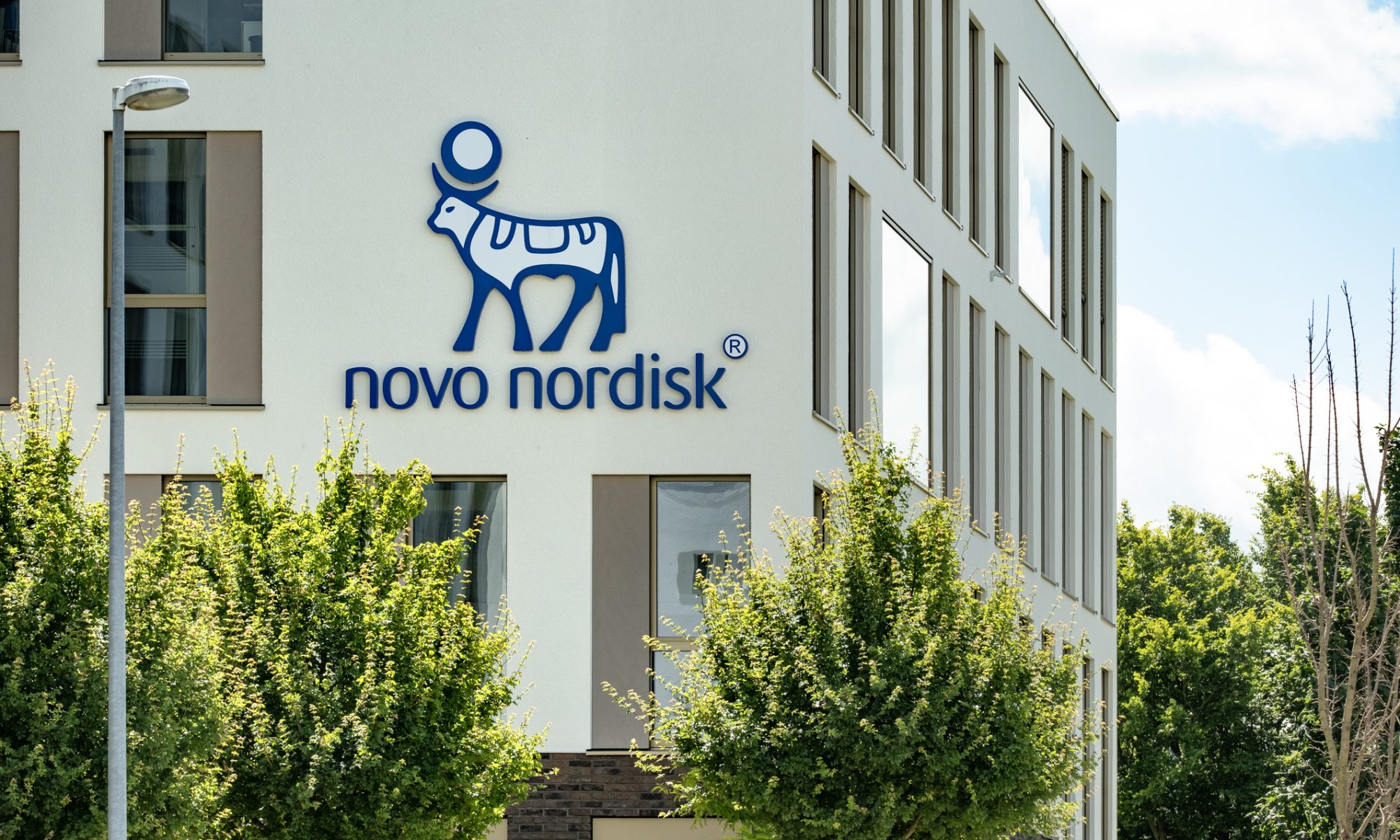
Novo Nordisk (NVO) laid out its long-term growth ambitions at a capital markets day in London on Monday, and shareholders responded by marking the stock down 8%. The Danish drugmaker used the event to explain how it intends to replace the revenue it will lose when semaglutide — the molecule behind Wegovy and Ozempic — comes off patent. Investors, however, appear unconvinced that the answer arrives fast enough.
Key Points
- Novo Nordisk (NVO) targets risk-adjusted pipeline sales, including existing assets, above 150 billion kroner (roughly $23.04 billion) by 2035.
- Management guided to a 2026–2030 revenue CAGR in line with peers, not ahead of them — a notable reset for a company that spent years outgrowing the group.
- The US semaglutide patent expires in 2032. Exclusivity in China lapses this year, and several international markets have already opened up.
- Novo plans to launch more than five “multi-blockbuster” medicines by 2030 and run at least 10 phase 3 programs, five of them in obesity and diabetes.
- The company aims to serve more than 60 million patients worldwide by 2030, expanding manufacturing capacity roughly tenfold for its oral GLP-1 franchise.
- Novo has cut about 13,000 jobs in the 12 months through August and is redirecting the savings into R&D.
- NVO shares fell 8% Monday and now sit down 22% year to date.
Management Concedes the Price Pressure Has Already Started
Chief Executive Mike Doustdar did not soften the near-term picture. He told attendees that Novo already sees early signs of price pressure tied to the loss of exclusivity, while insisting the company will emerge larger and more diversified by 2035, according to a FactSet transcript.
Moreover, Novo signaled it will not cede volume quietly. The company’s slide deck committed it to “fiercely compete” for semaglutide volumes in both pre- and post-exclusivity markets, and to launch new diabetes and obesity drugs every year through 2030. That is an aggressive cadence, yet it also underscores the core problem: Novo must out-run a patent cliff rather than step around it.
Peers Set the Bar — and Eli Lilly (LLY) Sets the Comparison
Novo framed its 2026–2030 growth against a peer group that includes Eli Lilly (LLY), Johnson & Johnson (JNJ), AbbVie (ABBV), Novartis (NVS), Merck (MRK) and Pfizer (PFE).
Consequently, the market read a “grow in line with peers” target as a downgrade in ambition. Novo built its valuation on category leadership in GLP-1s; matching large-cap pharma averages implies that leadership premium compresses well before 2032.
Still, the company delivered one clear clinical win. Novo said its investigational drug CagriSema reduced weight more effectively than Lilly’s tirzepatide in type 2 diabetes patients across phase 3 trials — a head-to-head result that matters for the next franchise, even if it did not rescue Monday’s tape.
Deals, AI, and the Diversification Argument
Ahead of the event, some shareholders pressed Novo to develop new medicines and pursue acquisitions that reduce its dependence on weight loss, the Financial Times reported. Management answered directly.
“We established a lot of collaborations in the recent years,” Chief Scientific Officer Martin Lange said. “We’ve also done some acquisitions, and we’ll continue doing that not only in diabetes and obesity, but specifically also when we move into novel therapy areas.”
The recent record supports that. Novo struck a licensing deal worth up to $1.4 billion with Orbis Medicines covering cardiometabolic disease, and it acquired Akero Therapeutics last year. In addition, the company signed a discovery partnership with AI firm Anthropic last week, following earlier arrangements with Amazon (AMZN) Web Services and OpenAI.
What to Watch
Investors now face a straightforward test. Novo has told the market exactly what it must deliver: annual launches through 2030, five-plus multi-blockbusters, tenfold manufacturing expansion, and 60 million patients served. Each milestone either arrives on schedule or it does not.
Meanwhile, the China exclusivity loss lands this year, which gives the market a live read on how quickly generic competition erodes semaglutide pricing. That early data will shape how the Street underwrites the 2032 US cliff — and whether Monday’s 8% decline proves to be an overreaction or a first installment.