PowerBank Announces 5 MW Hybrid Solar and Battery Energy Storage Project
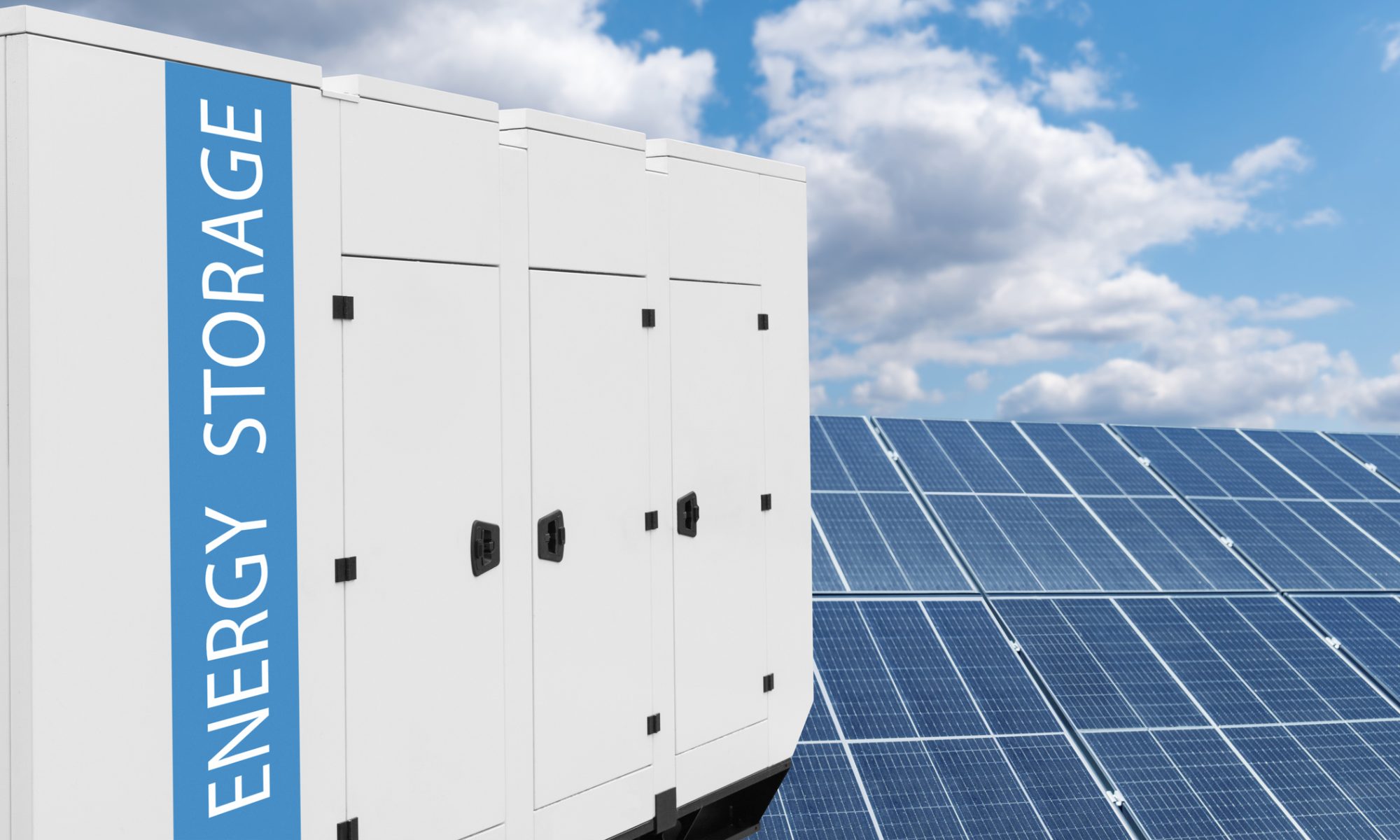
PowerBank Corporation (NASDAQ: SUUN) has unveiled plans for a 5 megawatt (MW) hybrid solar plus battery energy storage system, marking another milestone in the company’s expansion into distributed clean energy infrastructure. The hybrid project combines a solar generation array with energy storage to deliver both renewable energy production and grid-flexible dispatch capabilities.
The integrated system is designed to generate solar power during daylight hours and store excess energy in its accompanying battery storage for use when demand peaks or solar generation wanes. Hybrid solar-plus-storage configurations are increasingly valuable as utilities, commercial customers, and grid operators seek reliable, low-carbon energy solutions that support decarbonization, reduce peak load pressures, and enhance grid resilience.
Strategic Relevance
This development aligns with several key clean energy trends that are drawing investor interest:
- Growing demand for hybrid assets: Solar coupled with battery storage improves capacity utilization and revenue potential, capturing both energy and capacity value streams.
- Grid modernization: Hybrid systems help balance intermittent renewable output with storage-enabled dispatchability, making them attractive in markets with high renewable penetration and evolving grid needs.
- Policy and incentive tailwinds: Federal, state, and utility incentives increasingly favor hybrid projects, which can benefit from tax credits, performance payments, and clean energy mandates.
For PowerBank, the 5 MW project not only adds capacity but also showcases the company’s ability to deliver integrated energy solutions — a competitive advantage as the energy transition accelerates.
Investor Takeaway
From an investor perspective, the hybrid solar-plus-storage project highlights several positives:
- Portfolio diversification: Hybrids position PowerBank to capture demand from both renewable generation and storage markets.
- Recurring value potential: Capacity and energy arbitrage opportunities can support stronger long-term revenue profiles compared with standalone solar.
- Execution momentum: Announcing and progressing hybrid projects signals operational capability and project pipeline expansion.
As PowerBank advances project development, key metrics to watch include interconnection timelines, offtake agreements or power purchase contracts, and the economics of combined solar and storage dispatch.
Overall, this 5 MW hybrid project represents a strategic step in PowerBank’s clean energy growth strategy, reflecting broader market appetite for integrated renewable and storage infrastructure.