PowerBank Puts High‑Performing New York Solar Assets in the Spotlight as AI‑Era Power Demand Rises
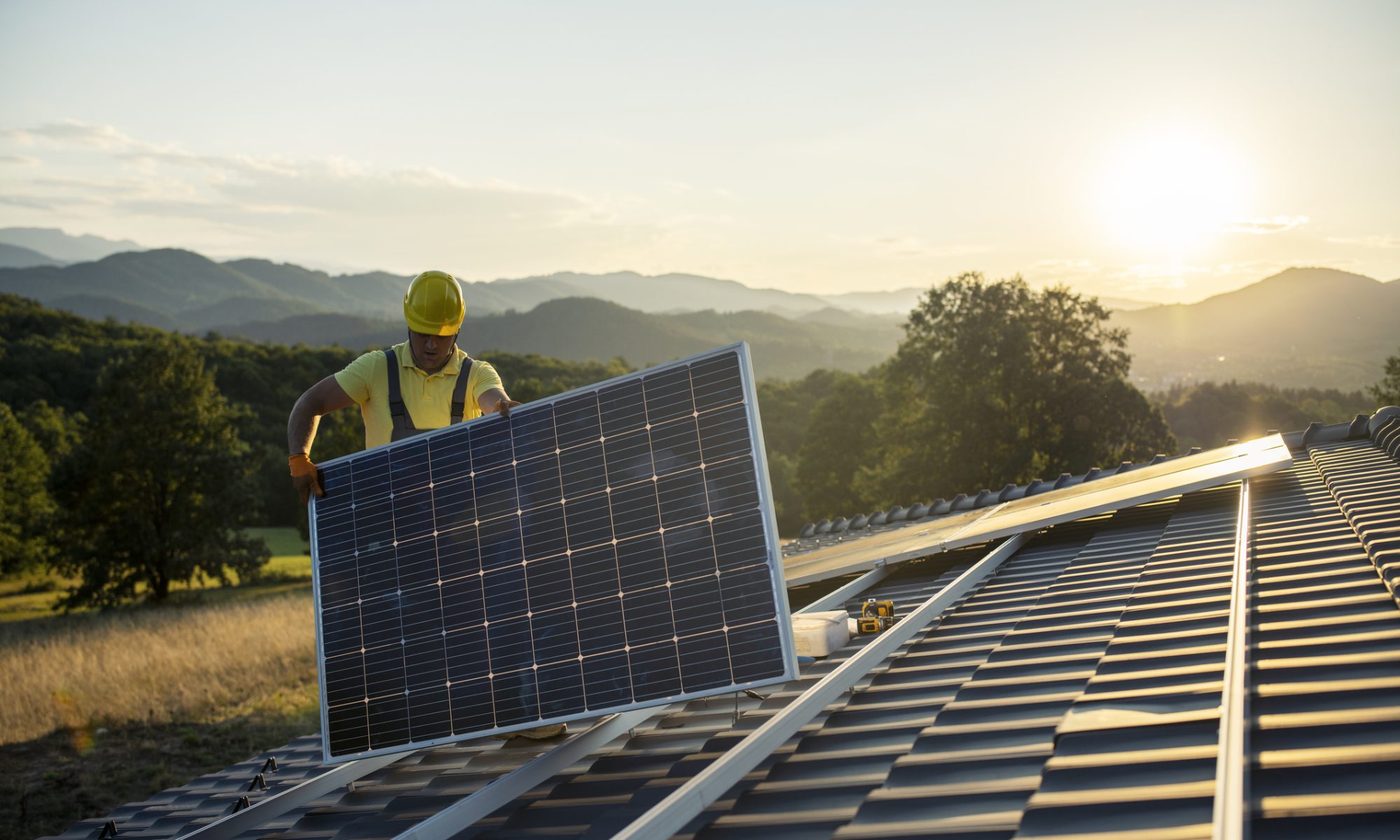
PowerBank Corporation (NASDAQ: PBK) is spotlighting three New York solar sites—Geddes, US1, and VC1—as proof that its independent power producer (IPP) portfolio is already generating steady, contracted cash flow while it works toward more than 1 GW of future development. The projects total about 4.48 MW and sit inside the 100 MW of capacity PowerBank has already built and energized.
High‑functioning IPP projects
The Geddes, US1, and VC1 projects are fully operating assets in New York State that together deliver roughly 4.48 MW of distributed solar capacity. PowerBank frames them as “high‑functioning” examples of how the company plans to own and operate more distributed solar and storage as part of its IPP strategy.
Geddes participates in NYSERDA’s NY‑Sun program as a Community Solar project and qualifies for New York’s Value of Distributed Energy Resources (VDER) compensation mechanism for at least 25 years. For 2026, Geddes is estimated to realize an average VDER rate of about 0.1103 dollars per kilowatt‑hour for solar energy exported to the grid, based on NYSERDA’s VDER Calculator.
Long‑term contracted offtake
The US1 and VC1 sites both sell power under 25‑year Power Purchase Agreements (PPAs) with municipal offtakers. US1 provides power to the Village of Union Springs, New York, through net metering, while VC1 does the same for the Village of Cazenovia, New York.
These long‑dated PPAs support predictable revenue streams and align with PowerBank’s strategy to build a portfolio of owned assets with contracted cash flows, rather than relying solely on one‑time development fees. The mix of Community Solar and net‑metered projects also demonstrates how PowerBank can serve both municipalities and broader customer groups through different regulatory structures.
Operations playbook and risk factors
PowerBank emphasizes an active operations strategy that includes regular preventive maintenance, vegetation management to avoid panel shading, and real‑time monitoring for rapid fault detection and repair. Company staff regularly visit each asset to coordinate with contractors and oversee on‑the‑ground performance.
Even so, management notes several operating risks: unexpected grid curtailments that limit exports, weather‑related production impacts, shortages of skilled O&M technicians, and long‑term panel degradation. These risk disclosures matter for investors evaluating how stable project‑level cash flows could be over a 20‑plus‑year life.
Positioned for AI‑driven power demand
PowerBank links its operating track record to a broader macro thesis: surging electricity demand driven by artificial intelligence and digital infrastructure. Citing Goldman Sachs Research, the company highlights projections that global data center power demand could rise as much as 175% by 2030, while McKinsey estimates that data centers could consume nearly 12% of all U.S. electricity by the end of the decade.