Redwire Selected for $40 Million NASA Award to Adapt Space Station Solar Array Technology for Lunar Surface Power
Key Points
- Redwire was selected for an approximately $40 million award to develop an integrated power-generation system supporting NASA’s Moon Base efforts.
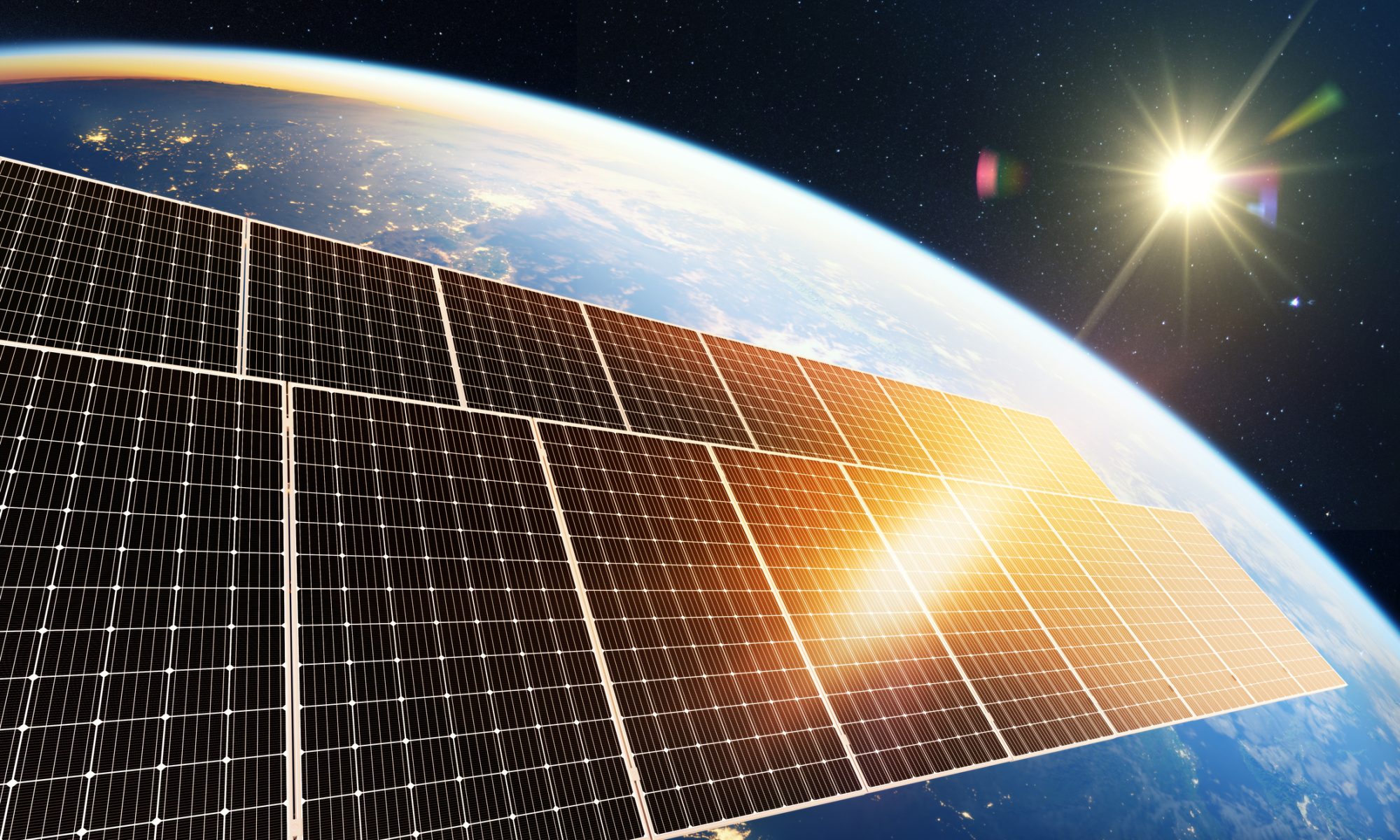
- The system will use the company’s Roll-Out Solar Array technology, which has already been deployed on the International Space Station.
- The demonstration near the lunar South Pole will test vertical solar-power generation, mast-mounted equipment and survival through the lunar night.
- The project is intended to inform future power systems for rovers, habitats and lunar resource-use activities.
- The announcement did not disclose a deployment date, payment schedule or expected financial contribution.
Redwire (NYSE: RDW) announced its selection for an approximately $40 million award to demonstrate power generation on the Moon, extending its space solar-array technology into a new operating environment.
The company will adapt its Roll-Out Solar Array, or ROSA, technology for an integrated system designed to demonstrate how future lunar infrastructure could receive dependable power. The project is a technology pathfinder rather than a full-scale power network for an operational Moon base.
From the Space Station to the Lunar Surface
The selection follows the installation and deployment of the eighth and final Redwire-built ROSA wing on the International Space Station, according to the announcement. Those arrays supplement the station’s existing power supply.
Redwire now plans to build on that flight experience by adapting ROSA for lunar-surface operations. The company previously advanced the technology for vertical deployment and retraction in lunar gravity through NASA’s Vertical Solar Array Technology program.
That earlier development provides a foundation for the new demonstration, but successful operation on the Moon remains something the project must establish.
Demonstration Will Test Power Generation and Lunar Night Survival
Redwire will support NASA’s Moon Base Infrastructure Office on an autonomous, integrated power-generation demonstration near the lunar South Pole.
NASA plans to purchase commercial components for a Mini-Communications and Solar Tower, known as miniCAST. These include solar arrays, batteries and wireless power-transfer hardware.
The demonstration will evaluate vertically deployed solar-power generation, equipment mounted on a mast and the system’s ability to survive the lunar night. Its purpose is to reduce technical risk and guide the design of larger power systems.
Future applications could include supplying usable power to rovers, habitats and equipment that processes resources found on the Moon. Those are potential follow-on uses, not capabilities already delivered by this award.
Award Extends Redwire’s Space-Power Portfolio
Redwire said ROSA has supported missions including NASA’s Double Asteroid Redirection Test and commercial telecommunications platforms. The company has also developed a separate solar-array design called the Extensible Low-Profile Solar Array, or ELSA.
Across its solar-array portfolio, Redwire reported more than 65 wings delivered or in development. That figure combines completed hardware with ongoing projects; it does not mean all 65 wings are operating in space.
The lunar demonstration gives Redwire an opportunity to extend its existing power-generation business into infrastructure supporting longer-term exploration.
Investor Takeaway
The approximately $40 million selection represents a new project opportunity and a potential expansion of Redwire’s role in NASA’s lunar infrastructure plans.
However, the announcement did not specify the performance period, revenue-recognition schedule, profitability or potential follow-on orders. The award’s value should therefore not be treated as immediate revenue.
The key milestones ahead are development, deployment and successful demonstration on the lunar surface. A successful mission could support Redwire’s positioning for future lunar power projects, but larger contracts are not guaranteed.